guides
Agarita (Mahonia trifoliolata): Comprehensive Cultivation, Processing, and Use Guide
Complete guide to agarita cultivation covering Mahonia trifoliolata, growing parameters, propagation, harvest timing, processing methods.

Botanical Description and Modern Scientific Context
Agarita, botanically Mahonia trifoliolata (often treated taxonomically as Berberis trifoliolata), is a dense, evergreen shrub native to the arid and semi-arid regions of the south-central United States and northern Mexico. It typically grows 3–8 feet (0.9–2.4 m) tall with a rounded to irregular form, stiff branching, and rigid, trifoliate leaves that resemble holly in texture and spination.
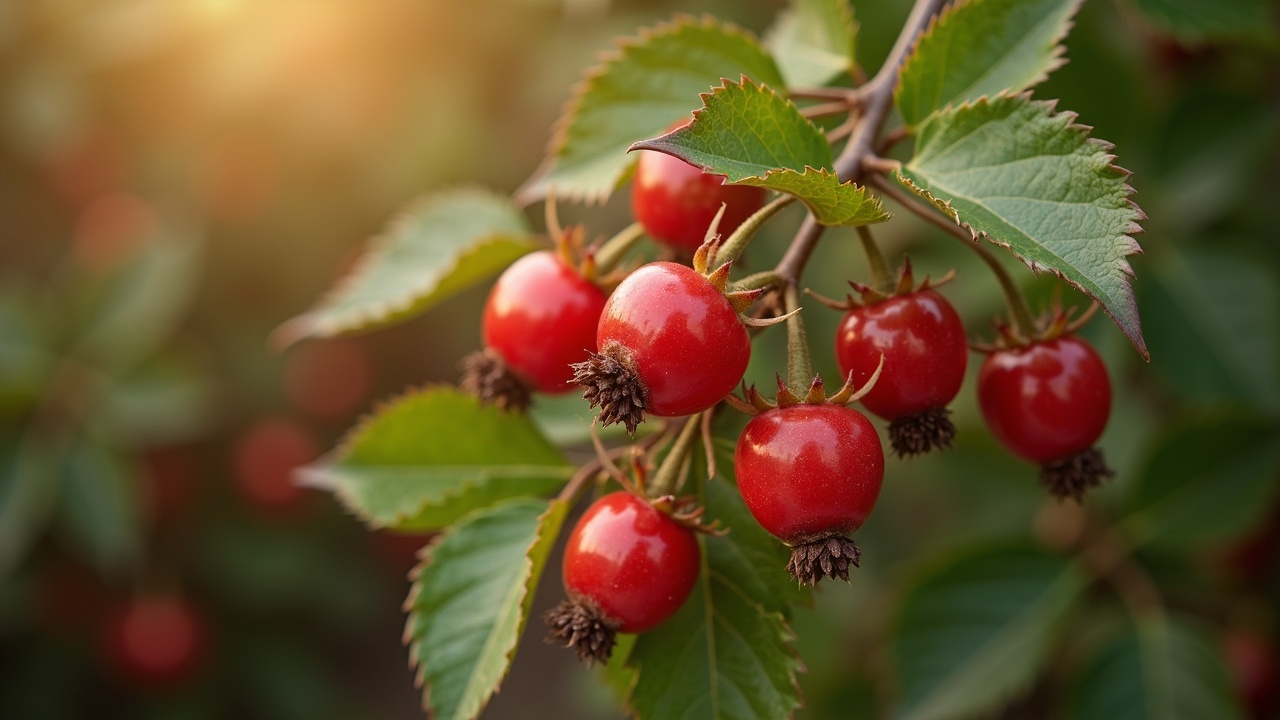
Leaves are thick, leathery, and blue-green to gray-green, an adaptation that reduces transpiration and grazing pressure. Bright yellow, lightly fragrant flowers appear in late winter to early spring, followed by small, round berries that ripen to deep red or maroon.
Phytochemical Profile
In modern phytochemical and ecological literature, agarita is discussed for isoquinoline alkaloids (notably berberine and related compounds) concentrated primarily in roots and stems, as well as organic acids, anthocyanins, and vitamin C in the fruit. These constituents are studied for antimicrobial signaling, bitter receptor activation, antioxidant activity, and ecological defense roles, consistently framed within ethnobotanical and whole-plant research rather than approved medical claims.
Origin, Ecology, and Historical Use
Agarita is native to Texas, Oklahoma, New Mexico, and northern Mexico, thriving in limestone soils, rocky hillsides, open woodlands, and grassland margins.
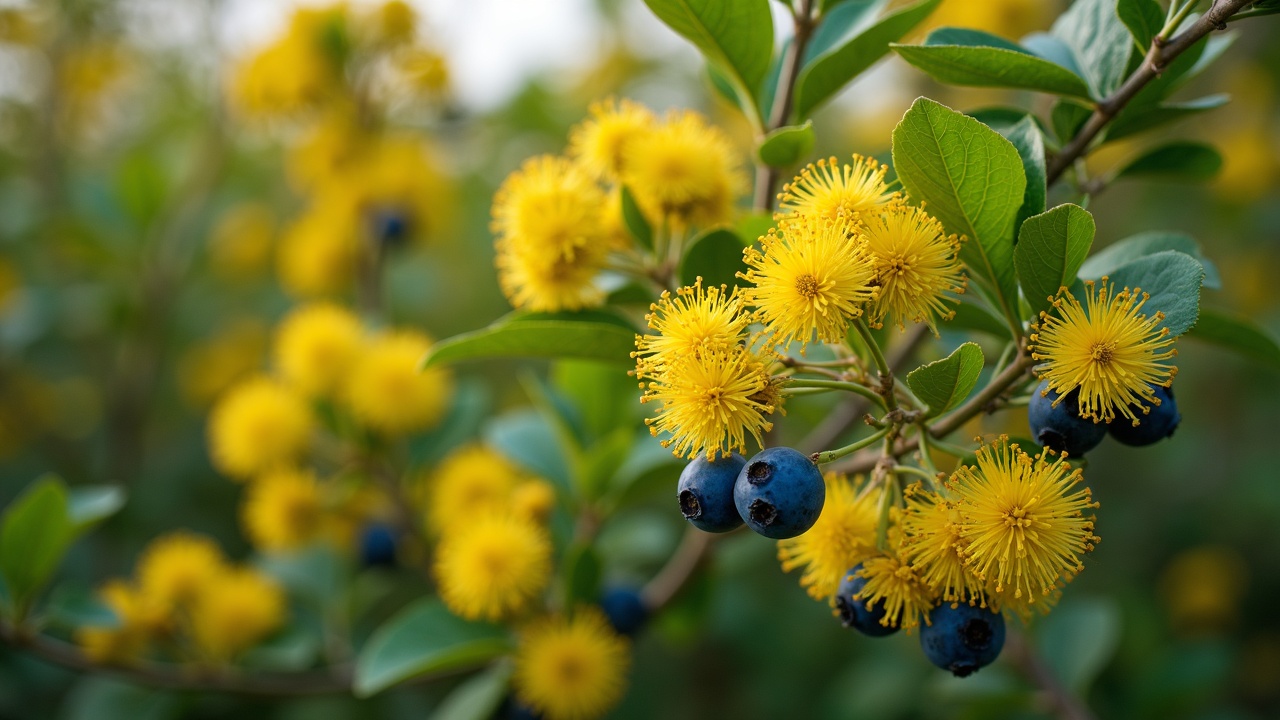
Origin, Ecology, and Historical Use
Indigenous peoples of the region historically used agarita fruit as a seasonal food source and the roots and wood for dyeing and bitter preparations. Spanish settlers adopted the berries for preserves and beverages, integrating agarita into regional food traditions.
Traditional Landscape Value
Historically, agarita shrubs were valued as living fences, wildlife habitat, and erosion-control plants due to their spiny structure and exceptional drought tolerance.
Plant Morphology, Flowering, and Reproductive Biology
Agarita is dioecious, meaning male and female flowers occur on separate plants. Fruit production requires the presence of both sexes within pollinator range.
- Flowers are early nectar sources for bees and other insects when few alternatives are available
- Fruits contain several hard seeds and are dispersed by birds and mammals
Pollination Requirement
Because agarita is dioecious, both male and female plants must be present in proximity for berry production. When planning a planting for fruit harvest, include multiple plants to ensure adequate cross-pollination.
Climate Adaptation and Environmental Requirements
Agarita performs best in USDA hardiness zones 7–10. It is exceptionally well adapted to Central Texas conditions, including heat, drought, and calcareous soils.
| Parameter | Optimal Range |
|---|---|
| Temperature | 5–35°C (41–95°F) |
| Cold Tolerance | Excellent; tolerates hard freezes once established |
| Sun Exposure | Full sun to partial shade |
| Humidity | Low to moderate |
| Water Requirements | Very low once established |
Soil Preferences and Root Zone Management
Agarita prefers well-drained, rocky or sandy soils, particularly limestone-derived substrates. Roots are fibrous and wide-spreading rather than deeply taprooted.
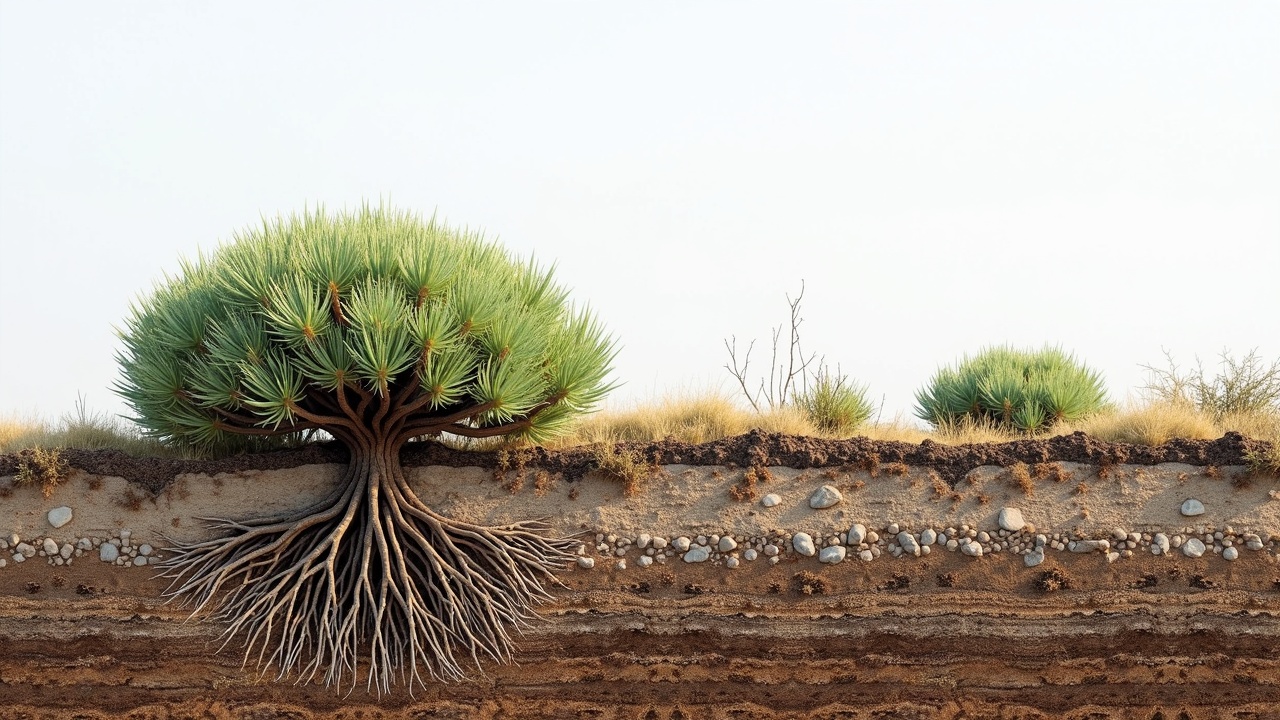
Soil Preferences and Root Zone Management
| Parameter | Specification |
|---|---|
| Soil pH | 7.0–8.5 (alkaline tolerant) |
| Organic Matter | Low to moderate |
| Drainage | Excellent; intolerant of standing water |
Propagation, Establishment, and Growing Systems
Propagation Methods
- Seed propagation: Requires cold stratification (60–90 days at 1–5°C / 34–41°F)
- Semi-hardwood cuttings: Root under warm, humid conditions with variable success
Planting Considerations
| Parameter | Specification |
|---|---|
| Spacing | 1.5–2.5 m (5–8 ft) |
| Establishment | Slow first-year growth, rapid thereafter |
Common Growing Systems
- Native landscapes
- Hedgerows
- Wildlife plantings
- Low-input orchards and food forests
Growth Cycle and Longevity
Agarita maintains evergreen foliage year-round. Flowering occurs late winter to early spring, and fruit ripens late spring to early summer. Plants are long-lived, commonly persisting several decades with minimal care.
Harvest Timing and Fruit Quality
Berries ripen when fully red and slightly soft, typically May–June in Texas. Fully ripe berries have higher sugar content and lower astringency.
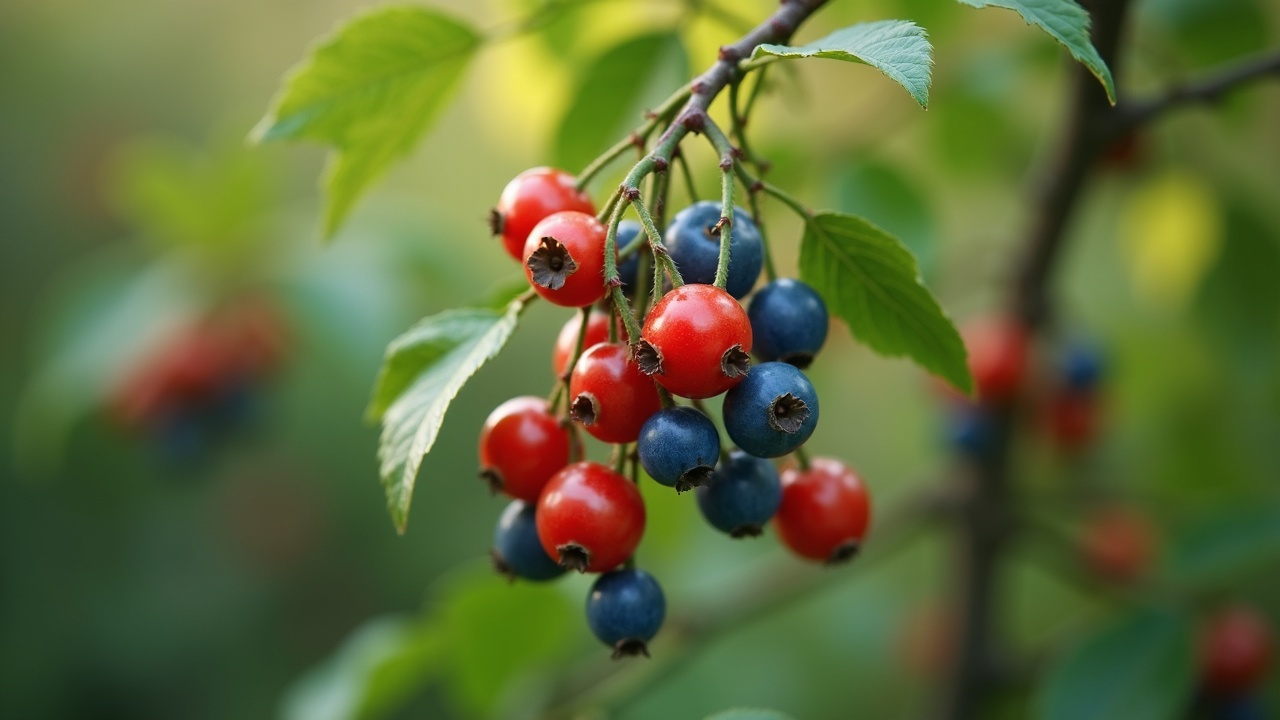
Harvest Timing and Fruit Quality
Harvest Safety
Harvest is done carefully due to the sharp spines on agarita foliage. Thick gloves, long sleeves, and collection tools such as sheets or tarps placed beneath the bush are commonly used to gather berries safely and efficiently.
Post-Harvest Handling and Storage
Fresh agarita berries are highly perishable and should be processed promptly after harvest.
| Method | Conditions | Notes |
|---|---|---|
| Fresh Storage | Refrigerated, 0–4°C (32–39°F) | 3–5 days maximum |
| Frozen | Standard freezer temperature | Excellent long-term storage |
| Processed | Jellies, syrups, preserves | Preserves shelf stability |
Processing, Preservation, and Transformation
Fruit Processing
- Juicing: Produces a bright, tart juice high in organic acids
- Jams and jellies: Natural acidity and pectin support gel formation
- Syrups: Cooked with sugar to balance sharpness
- Fermentation: Used historically for wines and vinegars
- Freezing: Preserves flavor and pigment effectively
Root and Wood Processing (Historical Context)
Roots and inner bark yield a yellow dye due to berberine content. Historically, the dye was extracted by decoction for coloring textiles and leather. Modern discussion treats these uses as historical and external-context only.
Culinary Use, Intake Forms, and Integration
Agarita berries are too tart for most raw consumption but excel when processed. Typical preparations dilute acidity and enhance color and aroma.
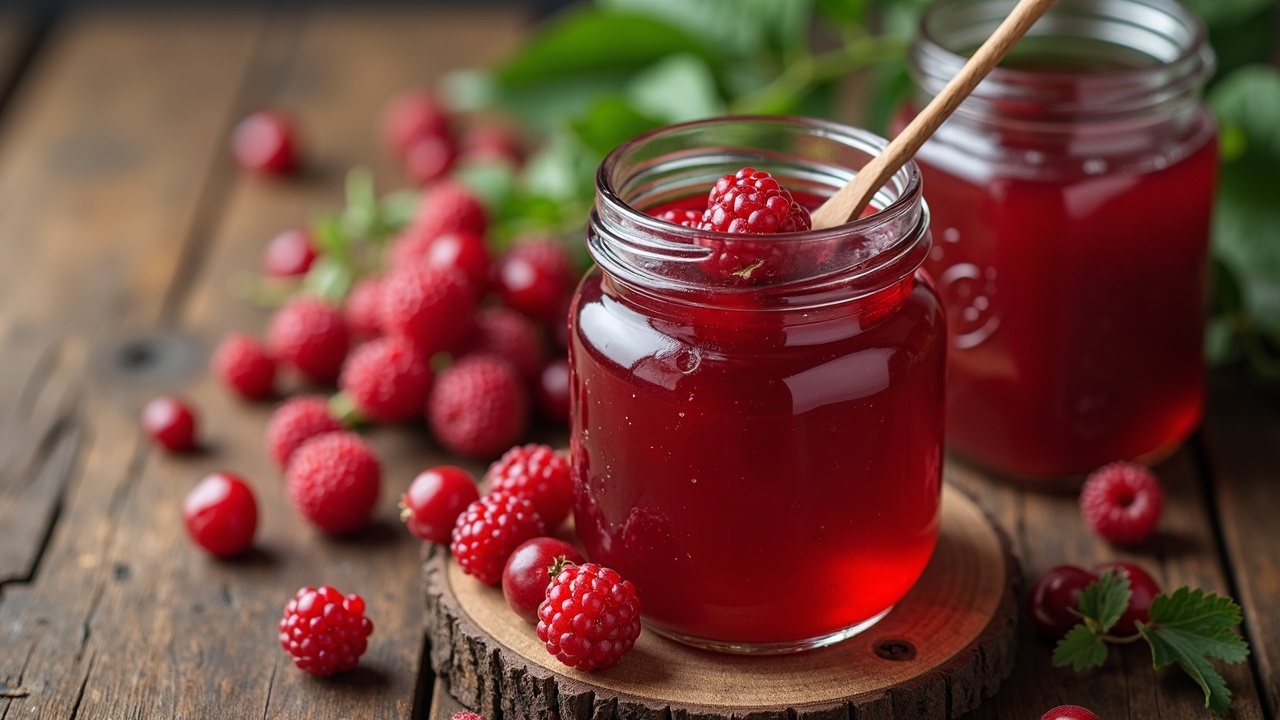
Culinary Use, Intake Forms, and Integration
- Jellies and preserves
- Syrups for beverages
- Sauces and reductions
- Fermented drinks
- Blends with sweeter fruits
Functional Compound Context
The phytochemical profile of agarita varies significantly between the fruit and the woody tissues of the plant.
| Compound Class | Plant Part | Notes |
|---|---|---|
| Anthocyanins | Fruit | Provide red coloration and antioxidant activity |
| Vitamin C | Fruit | Contributes to acidity and oxidative balance |
| Organic acids | Fruit | Malic and citric acids dominate flavor profile |
| Berberine | Roots & wood | Bitter isoquinoline alkaloid studied for antimicrobial signaling (non-ingestive framing) |
Fruit vs. Root Chemistry
Fruit chemistry differs substantially from roots and stems. While berries are used as food, the alkaloid-rich woody tissues are treated within historical and external-use contexts only, not as dietary ingredients.
Wildlife, Ecological, and System Integration
Agarita provides significant ecological value across multiple dimensions.
- Early-season nectar for pollinators
- Dense shelter for birds and mammals
- Fruit for wildlife
- Browsing resistance due to spines
Functional Landscape Roles
- A defensive hedge
- A native understory shrub
- A low-water food source in arid systems
Safety, Use Boundaries, and Considerations
- Fruit is widely regarded as safe when properly identified and prepared
- Roots and wood contain concentrated alkaloids and are not treated as food in modern frameworks
- Spines present a physical handling hazard rather than a chemical one
Identification Note
Proper identification is essential before foraging. Agarita can be distinguished by its trifoliate, holly-like leaves, bright yellow flowers, and red berries. When in doubt, consult a local field guide or extension service before harvest.
Safety, Use Boundaries, and Considerations
Cultural and Educational Importance
Agarita is a defining plant of Texas Hill Country ethnobotany. It serves as a teaching species for a range of ecological and cultural topics.
- Native drought-adapted food plants
- Seasonal foraging traditions
- Alkaloid-based plant defense
- Native landscape restoration
Scientific and Authoritative References
This article is informed by data and conclusions drawn from, but not limited to:
- Turner et al., Medicinal Plants of North America
- Moerman, Native American Ethnobotany
- USDA PLANTS Database: Mahonia trifoliolata
- Flora of North America, Berberis/Mahonia
- Duke, Handbook of Medicinal Herbs
- Texas A&M AgriLife Native Plant Resources
- EFSA assessments on berberine (toxicological context)
- Stintzing & Carle, Food Chemistry (anthocyanins)
- Van Wyk & Wink, Medicinal Plants of the World
- Peterson Field Guides: Edible Wild Plants of North America