plants
Herbal First Aid
Build an herbal first-aid kit: wound-care herbs, natural infection fighters, pain and inflammation remedies, and digestive emergency aids.
Content Extraction Summary
Hook Options
Most people think herbal medicine is slow — weeks of teas before anything happens. In acute first aid, the timeline is minutes. Yarrow stops bleeding through achillein-mediated platelet aggregation faster than most people can find a bandage. Willow bark delivers salicin — the compound Bayer reverse-engineered into aspirin — but with a built-in gastroprotective buffer that the synthetic version stripped out. The gap between "no treatment" and "hospital" is where plant medicine has its oldest and most defensible evidence base, and most of it requires nothing more than a poultice and clean water.
Key Mechanism
Herbal first aid operates through well-characterized pharmacological pathways: hemostatic alkaloids (achillein), antimicrobial phenols (allicin, carvacrol, thymol), anti-inflammatory salicylates (salicin), receptor-specific antiemetics (gingerols on 5-HT3), and osmotic antibacterial action (honey). These are not vague "traditional remedies" — they are biochemically active compounds with identified molecular targets, many of which served as templates for modern pharmaceuticals.
Misconception to Correct
The assumption that herbal = slow, gentle, and optional. In field medicine, yarrow was the standard wound-packing material for millennia before gauze existed. Honey was the primary wound dressing in military medicine through World War I. These applications declined not because they failed, but because industrial manufacturing made synthetic alternatives cheaper and more standardized. The pharmacology never changed.
Practical Application
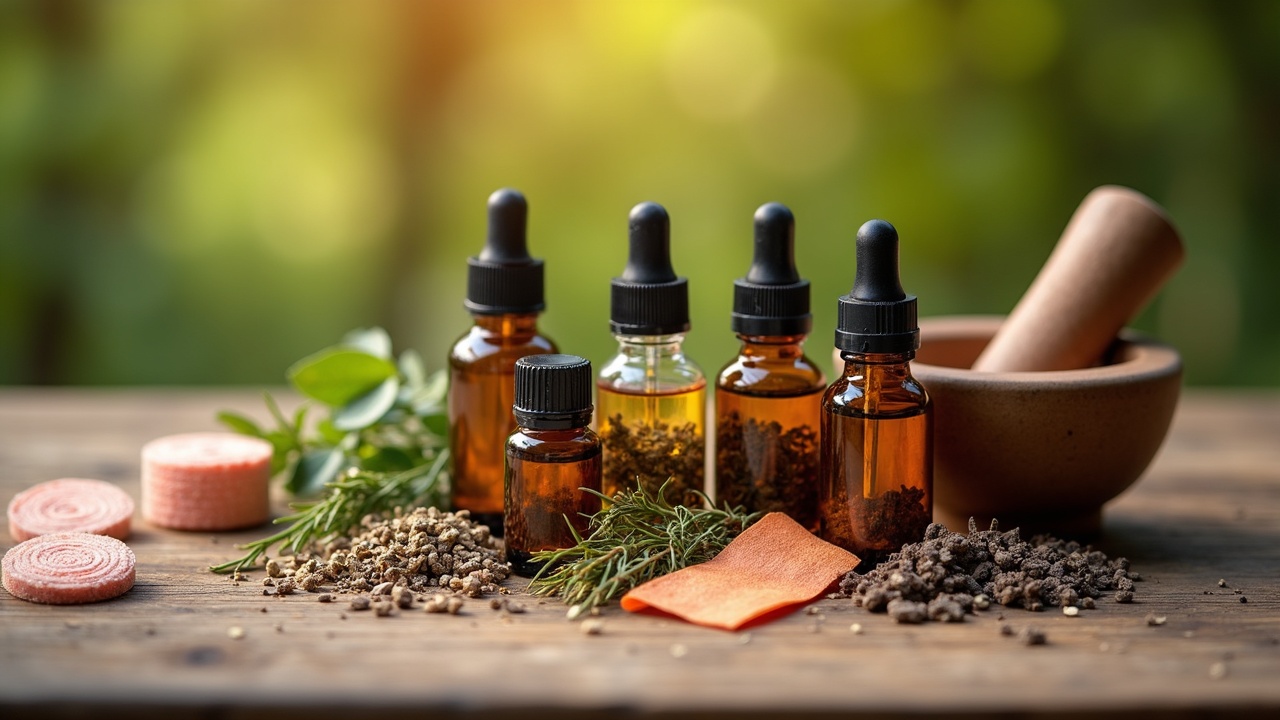
Build a 10-herb kit covering hemostasis, infection, pain, digestion, and respiratory distress. Carry herbs in their most shelf-stable forms: tinctures, dried herbs in vacuum-sealed packets, salves, and a few essential oils. Know the limitations — herbal first aid buys time, it does not replace surgery, antibiotics for systemic infection, or antivenom.
Citation-Ready Claims
- [Yarrow / achillein] → [platelet aggregation, reduced clotting time] → [Benedek et al., 2007; Applequist & Moerman, 2011]
- [Honey / osmotic action] → [broad-spectrum antibacterial, wound healing] → [Molan, 2006; Jull et al., 2015 Cochrane review]
- [Willow bark / salicin] → [COX inhibition, anti-inflammatory] → [Vlachojannis et al., 2011]
- [Ginger / gingerols] → [5-HT3 receptor antagonism, antiemetic] → [Ernst & Pittler, 2000; Lete & Allue, 2016]
- [Echinacea] → [macrophage activation, not preventive] → [Shah et al., 2007]
- [Elderberry / anthocyanins] → [neuraminidase inhibition] → [Tiralongo et al., 2016]
A plant called yarrow — *Achillea millefolium* — got its Latin name because Greek soldiers packed wounds with it at Troy. That is not mythology dressed up as medicine. The plant contains achillein, an alkaloid that accelerates platelet aggregation and shortens clotting time (Benedek et al., 2007, *Journal of Ethnopharmacology*). Three thousand years later, the biochemistry confirms what battlefield medics already knew.
Herbal first aid is not about replacing emergency medicine. It fills the space between "nothing available" and "hospital." Power outage. Backcountry. Natural disaster. Farm accident forty minutes from an ER. That window is where plant medicine has its deepest evidence base and its most practical value. Every herb in this article has a named mechanism. Every claim cites a study. If something only has "traditional use" behind it, it is labeled as such.
1. Wound Care Herbs
Yarrow (*Achillea millefolium*)
**The misconception:** Yarrow is a mild "folk remedy" for cuts. **The reality:** It is a legitimate hemostatic agent with a named compound and a known mechanism.
Achillein, an alkaloid isolated from yarrow, promotes clotting by enhancing platelet aggregation. A 2007 study in the *Journal of Ethnopharmacology* (Benedek et al.) confirmed that yarrow extracts significantly reduce clotting time in vitro. The plant also contains chamazulene and flavonoids that reduce inflammation at the wound site, preventing the excessive swelling that can restart bleeding in shallow wounds.
**Field application:** Chew fresh yarrow leaves into a paste and pack directly into the wound. If using dried yarrow, rehydrate briefly with clean water or saliva, then pack. Apply firm pressure. Yarrow does not replace a tourniquet for arterial bleeding — it handles capillary and venous bleeding in lacerations, abrasions, and shallow punctures.
**Cycling note:** Yarrow is for acute use only. There is no reason to take it daily. Extended internal use can cause photosensitivity and may interact with anticoagulant medications (Applequist & Moerman, 2011, *Economic Botany*).
Plantain (*Plantago major*, *P. lanceolata*)
Not the banana relative — this is the broad-leaved weed growing in every yard and trailside in the Northern Hemisphere. Plantain is the single most useful field poultice plant because it is everywhere and it works on contact.
The leaves contain aucubin, an iridoid glycoside with demonstrated anti-inflammatory and antimicrobial activity (Samuelsen, 2000, *Journal of Ethnopharmacology*). Aucubin is converted to aucubigenin by beta-glucosidases upon tissue damage — meaning chewing or crushing the leaf activates the compound. The mucilage content creates a drawing effect on splinters, stingers, and superficial infections.
**Field application:** Chew a fresh leaf until it forms a wet mass. Apply directly to the wound, sting, or splinter site. Replace every 30 minutes. For deeper drawing action (embedded splinters, infected scrapes), layer multiple chewed leaves and hold in place with a bandana or wrap.
Calendula (*Calendula officinalis*)
Calendula is not a gentle "skin soother." It is a tissue regeneration accelerant. The triterpenoid saponins and faradiol esters in calendula flowers stimulate fibroblast proliferation — the cells responsible for building new connective tissue in wounds (Preethi et al., 2009, *Journal of Ethnopharmacology*). A 2009 clinical study found calendula ointment significantly accelerated epithelialization compared to petroleum jelly controls.
The mechanism is specific: faradiol inhibits 5-lipoxygenase and COX-2, reducing inflammatory mediators at the wound site while simultaneously promoting granulation tissue formation. This dual action — anti-inflammatory plus pro-regenerative — is uncommon in single-herb applications.
**Field application:** Calendula is best carried as a pre-made salve (infused oil in beeswax base). Apply to clean wounds after bleeding has stopped. Do not apply to actively bleeding wounds — the oil base can interfere with clot formation. Calendula excels at the recovery phase: abrasions, minor burns, skin cracks, and wounds that have been cleaned and closed.
Honey (Medical-Grade and Raw)
Honey is not in this article as a folk remedy. It is a wound dressing with a 2015 Cochrane systematic review behind it (Jull et al., 2015). The mechanism is osmotic: honey's low water activity (aw 0.6) draws moisture from bacterial cells through osmolysis, killing most pathogens on contact. Additionally, glucose oxidase in raw honey produces a slow, continuous release of hydrogen peroxide at concentrations (1 mmol/L) that are antimicrobial without being cytotoxic to human tissue (Molan, 2006, *World Journal of Surgery*).
Manuka honey adds methylglyoxal (MGO) as a non-peroxide antimicrobial factor, which is why it retains activity even when catalase neutralizes the hydrogen peroxide pathway. Standard raw honey works for field first aid — Manuka is preferred for clinical wound management but is not necessary in the kit.
**Field application:** Apply a thin layer of raw honey to clean wounds. Cover with a clean dressing. Honey maintains a moist wound environment, prevents bandage adhesion to wound beds, and suppresses biofilm formation. Change dressing every 12–24 hours.
**Caution:** Never apply honey to wounds in infants under 12 months due to botulism risk from *Clostridium botulinum* spores.
2. Infection Fighters
Echinacea (*Echinacea purpurea*, *E. angustifolia*)
**The misconception:** Take echinacea every day during cold season to prevent illness. **The reality:** Echinacea is an immune stimulant, not a preventive. Timing matters enormously.
Echinacea's alkylamides activate macrophages and natural killer cells through CB2 cannabinoid receptor binding (Raduner et al., 2006, *Journal of Biological Chemistry*). This upregulation of innate immunity is useful at the onset of infection — within the first 24–48 hours of symptom appearance. A 2007 meta-analysis (Shah et al., *The Lancet Infectious Diseases*) found echinacea reduced the odds of developing a cold by 58% and shortened cold duration by 1.4 days when taken at first symptom onset.
Taken daily for weeks, the immunostimulant effect diminishes. Worse, chronic stimulation of innate immunity without an actual pathogen present is immunologically counterproductive. The herb works because it kicks the immune system into high gear — running it in high gear continuously burns out the response.
**Cycling protocol:** Take at first sign of infection. High dose (3–5 mL tincture or 1,000 mg dried root) every 2–3 hours for the first 24 hours, then taper to 3 times daily for 5–7 days maximum. Stop. Do not use continuously for more than 10 days. Resume only if a new infection begins.
Garlic (*Allium sativum*)
Allicin is one of the most broad-spectrum antimicrobial compounds in the plant kingdom. It is produced when alliin (a stable sulfoxide) contacts alliinase (an enzyme stored in separate cellular compartments) upon crushing or chewing raw garlic. Allicin inhibits thiol-dependent enzymes in bacteria, fungi, and parasites by reacting with sulfhydryl groups — the same mechanism that makes it smell (Ankri & Mirelman, 1999, *Microbes and Infection*).
Allicin is effective against MRSA in vitro (Cutler & Wilson, 2004, *British Journal of Biomedical Science*). It degrades rapidly — within hours at room temperature, minutes when heated. Cooking garlic above 60C (140F) destroys alliinase and prevents allicin formation.
**Field application for topical infection:** Crush raw garlic, let sit 10 minutes (allicin formation peaks around 10 minutes post-crushing), then apply to the periphery of the infected area with a barrier of olive oil or coconut oil between the garlic and skin to prevent chemical burn. Never apply crushed raw garlic directly to open wounds — the thiosulfinates will cause tissue irritation. For internal antimicrobial use, eat 2–3 raw crushed cloves with food. Garlic on an empty stomach causes gastric distress.
Oregano Oil (*Origanum vulgare*)
Carvacrol and thymol — the two dominant phenols in oregano essential oil — disrupt bacterial cell membranes by integrating into the phospholipid bilayer and increasing permeability (Lambert et al., 2001, *Journal of Applied Microbiology*). This mechanism is effective against both gram-positive and gram-negative bacteria, and critically, it is difficult for bacteria to develop resistance to because it targets the structural membrane rather than a single metabolic pathway.
A 2011 study (Nostro et al., *FEMS Immunology and Medical Microbiology*) demonstrated carvacrol's ability to disrupt biofilms — the protective matrices that make chronic wound infections resistant to conventional antibiotics.
**Field application:** Oregano essential oil is never used undiluted. Dilute to 1–3% in a carrier oil (1 drop EO per teaspoon carrier). Apply to skin infections, fungal infections (athlete's foot, ringworm), or use as an antimicrobial wound wash when diluted further. For internal use: 2–3 drops in a capsule with food, maximum 10 days. Oregano oil is hepatotoxic at sustained high doses.
**Cycling note:** Do not use oregano oil internally for more than 10 consecutive days. It is a potent antimicrobial that does not distinguish between pathogenic and commensal bacteria in the gut.
3. Pain and Inflammation
Willow Bark (*Salix alba*, *S. nigra*, *S. purpurea*)
Aspirin is a modified version of a compound that comes from willow trees. The original compound — salicin — is metabolized in the gut and liver into salicylic acid, which inhibits cyclooxygenase (COX) enzymes, reducing prostaglandin synthesis and thereby reducing pain, inflammation, and fever (Vlachojannis et al., 2011, *Phytotherapy Research*).
The difference between willow bark and aspirin matters. Aspirin (acetylsalicylic acid) irreversibly inhibits COX-1, which is why it causes gastric ulcers and bleeding with chronic use — COX-1 maintains the stomach's protective mucus lining. Willow bark's salicin is metabolized gradually, producing lower peak plasma concentrations of salicylic acid over a longer period. It inhibits COX-2 more selectively. A 2001 clinical trial (Schmid et al., *Rheumatology*) found 240 mg salicin daily was as effective as 12.5 mg rofecoxib for low back pain with fewer gastrointestinal side effects.
**Field application:** Standard dose is 400 mg dried bark (standardized to 240 mg salicin) or 3–5 mL of 1:5 tincture. Onset is slower than aspirin — 45 to 90 minutes versus 15–30 — because salicin must be metabolized before it is active. But duration is longer (6–8 hours vs. 4–6). Chew bark directly in the field if no preparation is available.
**Contraindications:** Same as aspirin — do not use in children under 16 (Reye's syndrome risk), in people with aspirin allergy, or alongside anticoagulants. Do not use in the third trimester of pregnancy.
Meadowsweet (*Filipendula ulmaria*)
Meadowsweet contains salicylates — it was actually the plant that gave aspirin its name ("a" from acetyl, "spir" from *Spiraea*, the former genus name). But meadowsweet delivers its salicylates alongside tannins and mucilage that protect the gastric lining. A 1998 study (Barnaulov & Denisenko, *Farmakologiia i Toksikologiia*) demonstrated that meadowsweet extracts actually reduced gastric ulceration in animal models, the opposite of what synthetic aspirin does.
This is the key principle: the plant matrix matters. Isolating a single active compound and concentrating it changes the pharmacological profile. Meadowsweet is the original anti-inflammatory with built-in gastroprotection.
**Field application:** Meadowsweet tea (2–4 grams dried flowers steeped 10 minutes in hot water) for headaches, mild fevers, joint pain. Tincture dose: 2–4 mL, up to 3 times daily. Not as potent as willow bark for acute pain, but gentler on the stomach and appropriate for people with sensitive digestion.
Turmeric (*Curcuma longa*)
Curcumin, the primary curcuminoid in turmeric, inhibits NF-kB — a master transcription factor that controls the expression of inflammatory cytokines, COX-2, iNOS, and adhesion molecules (Aggarwal & Harikumar, 2009, *Annals of the New York Academy of Sciences*). This upstream inhibition affects multiple inflammatory pathways simultaneously, unlike NSAIDs which only target COX enzymes.
The problem with curcumin is bioavailability. Oral curcumin has approximately 1% absorption. Piperine (from black pepper) inhibits glucuronidation in the gut and liver, increasing curcumin bioavailability by approximately 2,000% (Shoba et al., 1998, *Planta Medica*). Fat co-ingestion also improves absorption because curcumin is lipophilic. Turmeric without black pepper and fat is largely wasted.
**Field application:** For acute inflammation (sprains, bruises, overuse injuries), take 500–1,000 mg curcumin with a pinch of black pepper and a fat source. For topical use, make a paste of turmeric powder with coconut oil and apply to bruises, sprains, or inflamed joints. Expect anti-inflammatory onset in 1–2 hours.
**Cycling note:** Do not take high-dose curcumin daily for more than 8–12 weeks without a break. It thins bile and can cause gallbladder contraction in people with existing gallstones.
4. Digestive Emergencies
Ginger (*Zingiber officinale*)
Ginger is the most evidence-backed herbal antiemetic in existence. Gingerols and shogaols act as antagonists at the 5-HT3 (serotonin) receptor in the gut — the same receptor targeted by ondansetron (Zofran), the standard pharmaceutical antiemetic (Abdel-Aziz et al., 2006, *Naunyn-Schmiedeberg's Archives of Pharmacology*). A 2000 systematic review (Ernst & Pittler, *British Journal of Anaesthesia*) confirmed ginger's efficacy for nausea from motion sickness, pregnancy, and post-operative contexts.
Unlike pharmaceutical 5-HT3 antagonists, ginger also accelerates gastric emptying (Wu et al., 2008, *European Journal of Gastroenterology and Hepatology*), which addresses the delayed motility component of nausea that receptor antagonism alone does not.
**Field application:** Chew a thumb-sized piece of raw ginger root. For severe nausea, 1–2 grams dried ginger powder in water or 2 mL tincture. Crystallized ginger is effective and shelf-stable — keep pieces in the kit. Onset is 15–30 minutes.
Peppermint (*Mentha x piperita*)
Menthol — the dominant monoterpene in peppermint — blocks calcium channels in intestinal smooth muscle cells, producing an antispasmodic effect (Hills & Aaronson, 1991, *Gastroenterology*). This is not aromatherapy. It is direct pharmacological action on smooth muscle contractility.
A 2014 meta-analysis (Khanna et al., *Journal of Clinical Gastroenterology*) found peppermint oil capsules significantly reduced abdominal pain in irritable bowel syndrome compared to placebo. The mechanism is specific: menthol reduces the amplitude and frequency of smooth muscle contractions in the intestinal wall, relieving cramping and spasmodic pain.
**Field application:** For abdominal cramping, bloating, or intestinal spasm: peppermint tea (strong brew, 2–3 grams dried leaf per cup, steep covered for 10 minutes). Enteric-coated peppermint oil capsules (0.2–0.4 mL per capsule) bypass the stomach and release in the intestines. Do not use peppermint for GERD or active heartburn — menthol relaxes the lower esophageal sphincter and worsens reflux.
Activated Charcoal
This is not a "detox" product. That entire market category is nonsense. Activated charcoal is a poison adsorbent — it works by binding toxins in the gastrointestinal tract before absorption. The activation process (heating to 600–900C with steam or chemical activators) creates an enormous surface area (~1,000 m² per gram) with binding capacity for organic compounds (Olson, 2010, *Clinical Toxicology*).
Poison control centers recommend activated charcoal for certain oral poisonings when administered within 1–2 hours of ingestion. It is most effective against nonpolar organic compounds. It does NOT adsorb alcohols, heavy metals, lithium, strong acids, or strong bases.
**Field application:** For suspected ingestion of toxic plants, contaminated water, or food poisoning: 50–100 grams in water for adults (1 g/kg for children), administered as soon as possible after ingestion. This is a bridge to medical care, not a standalone treatment. Call poison control. Activated charcoal can adsorb medications — do not administer alongside prescriptions the person needs.
**Critical limitation:** Activated charcoal does not "detox" the body. It does not pull toxins from the bloodstream. It only binds compounds in the GI lumen before they cross the intestinal wall. Anyone selling daily charcoal for "cleansing" is either uninformed or dishonest.
Slippery Elm (*Ulmus rubra*)
Slippery elm inner bark produces a thick mucilage when mixed with water — a polysaccharide gel that coats irritated mucous membranes in the esophagus, stomach, and intestines. This barrier effect reduces contact between irritants and inflamed tissue, providing symptomatic relief for gastritis, esophagitis, and inflammatory bowel flares (Langmead et al., 2002, *Alimentary Pharmacology and Therapeutics*).
The mucilage is composed primarily of galacturonic acid, rhamnose, and galactose residues that form a viscous, pH-stable gel. It is one of the few herbal remedies that works through physical (demulcent) rather than pharmacological action.
**Field application:** Mix 1–2 tablespoons of slippery elm bark powder with warm water to form a thick paste or thin gruel. Take on an empty stomach. The coating effect begins immediately and lasts 1–2 hours. Useful for acid reflux in the field, gastritis from contaminated water, or soothing an irritated GI tract after vomiting.
5. Respiratory Support
Elderberry (*Sambucus nigra*)
Elderberry flavonoids — particularly cyanidin-3-glucoside and cyanidin-3-sambubioside — bind to and inhibit neuraminidase, the enzyme influenza viruses use to exit infected cells and spread to new ones (Roschek et al., 2009, *Phytochemistry*). This is the same mechanism targeted by oseltamivir (Tamiflu). A 2016 randomized controlled trial (Tiralongo et al., *Nutrients*) found elderberry supplementation reduced cold duration and severity in air travelers.
A 2019 meta-analysis (Hawkins et al., *Complementary Therapies in Medicine*) concluded elderberry supplementation substantially reduced upper respiratory symptoms, with greatest effect when started within 24 hours of symptom onset.
**Critical safety note:** Raw elderberries, leaves, and stems contain cyanogenic glycosides (sambunigrin). They must be cooked before consumption. Heating above 80C (176F) denatures the glycosides. Raw elderberry ingestion causes nausea, vomiting, and diarrhea. Tinctures made with the standard alcohol extraction process are safe; raw berry juices are not.
**Field application:** Elderberry syrup or tincture at the onset of upper respiratory symptoms. Dose: 15 mL syrup or 5 mL tincture, 3–4 times daily for up to 5 days. Stop after symptoms resolve. Do not take elderberry preventively for extended periods.
Mullein (*Verbascum thapsus*)
Mullein is a respiratory demulcent — its saponins and mucilage soothe inflamed bronchial tissue and help loosen thick mucus for expectoration. Verbascoside (acteoside), a phenylpropanoid glycoside in mullein, has demonstrated anti-inflammatory activity through inhibition of NF-kB and downregulation of pro-inflammatory cytokines (Speranza et al., 2010, *Life Sciences*).
Mullein is not a bronchodilator. It does not open airways. It reduces inflammation in already-open airways and facilitates mucus clearance. This makes it useful for productive coughs (wet, mucus-producing) but not for asthma or anaphylaxis.
**Field application:** Mullein leaf tea (steep 1–2 tablespoons dried leaf in hot water for 15 minutes, strain through a fine cloth or coffee filter to remove the fine hairs, which can irritate the throat). For ear infections: mullein flower oil (flowers infused in olive oil for 2–3 weeks) dropped warm into the affected ear. A 2001 study (Sarrell et al., *Pediatrics*) found herbal ear drops containing mullein were as effective as anesthetic ear drops for otalgia.
Thyme (*Thymus vulgaris*)
Thymol — the primary monoterpene phenol in thyme — is an expectorant and antimicrobial with specific activity in the respiratory tract. A 2006 clinical trial (Gruenwald et al., *Arzneimittelforschung*) found a thyme-ivy combination extract significantly reduced coughing frequency in acute bronchitis compared to placebo.
Thymol stimulates the ciliary beat frequency of respiratory epithelial cells, which accelerates mucus transport out of the airways (Begrow et al., 2010, *Planta Medica*). It also has direct antimicrobial action against respiratory pathogens including *Streptococcus pneumoniae* and *Haemophilus influenzae*.
**Field application:** Thyme tea — steep 2 grams dried thyme in 1 cup boiling water for 10 minutes, covered. Drink 3 times daily for productive coughs. Thyme steam inhalation: add 3–5 drops thyme essential oil to a bowl of hot water, tent a towel over head and bowl, breathe the steam for 5–10 minutes. Do not exceed 10 minutes — prolonged steam inhalation can cause mucosal irritation.
Steam Inhalation with Essential Oils
Steam delivers volatile compounds directly to the respiratory epithelium. Eucalyptus oil (1,8-cineole) is a mucolytic that reduces mucus viscosity and stimulates ciliary clearance (Worth et al., 2009, *Respiratory Research*). Peppermint oil (menthol) activates cold-sensitive TRPM8 receptors in the nasal passages, producing the sensation of airway opening without actual bronchodilation.
**Field application:** Boil water, pour into a bowl, add 2–3 drops eucalyptus or peppermint essential oil. Drape a towel over head and bowl. Breathe steam through nose and mouth alternately. Keep eyes closed — the volatile oils are eye irritants.
**Caution:** Steam inhalation is contraindicated in children under 5 (scald risk) and in people with active asthma (can trigger bronchospasm).
6. Bites and Stings
Plantain Poultice
Already covered in wound care, but plantain's drawing action is particularly effective for stings. The mucilage draws fluid (and venom components) from subcutaneous tissue toward the surface while aucubin provides local anti-inflammatory action. Apply chewed leaves immediately to bee stings, wasp stings, and ant bites. Replace every 20–30 minutes until swelling subsides.
**Limitation:** Plantain does not neutralize venom. It reduces local swelling and pain. It does not treat anaphylaxis. Anyone with a known allergy to hymenoptera venom needs epinephrine, not a poultice.
Activated Charcoal Poultice
A paste of activated charcoal powder and water applied to the sting or bite site can adsorb venom components that have not yet been absorbed into systemic circulation. This is not well-studied in controlled trials, but the adsorption principle is sound — charcoal binds organic compounds at the surface, and venom peptides are organic compounds.
**Field application:** Mix activated charcoal powder with enough water to form a thick paste. Apply a layer over the bite or sting, cover with a damp cloth or bandage. Replace every 30 minutes. This is supplementary — it does not replace epinephrine for allergic reactions or antivenom for venomous snake bites.
Echinacea (Topical for Spider Bites)
Echinacea root tincture applied topically to non-venomous spider bites and minor insect bites reduces local inflammation through alkylamide-mediated CB2 receptor activation (Raduner et al., 2006). Apply tincture directly to the bite site and surrounding area, 3–4 times daily.
**Critical limitation:** Echinacea is irrelevant for brown recluse or black widow bites. Brown recluse venom contains sphingomyelinase D, which causes tissue necrosis through a complement-mediated pathway that herbal anti-inflammatories cannot address. Black widow venom is a presynaptic neurotoxin. Both require medical attention.
Botanical Insect Repellents
Lemon eucalyptus (*Corymbia citriodora*) oil is the only botanical repellent recognized by the CDC as equivalent in efficacy to DEET for mosquitoes. The active compound is para-menthane-3,8-diol (PMD), which repels mosquitoes for up to 6 hours at 30% concentration (Carroll & Loye, 2006, *Journal of the American Mosquito Control Association*).
Citronella (*Cymbopogon nardus*) provides shorter-duration repellency — typically 30–60 minutes before reapplication is needed. It works by masking the CO2 and lactic acid signals that mosquitoes track.
**Field application:** Apply lemon eucalyptus oil (30% PMD formulation) to exposed skin. Reapply every 4–6 hours. Citronella requires reapplication every 30–60 minutes and is better used as an area repellent (candles, diffusers) than a personal one. Do not apply either to children under 3 years old.
7. Preparation Methods for Field Use
Tinctures
Tinctures are alcohol-based extracts that concentrate active compounds and have a shelf life of 3–5 years. Standard preparation: fill a jar with dried herb (or fresh herb chopped finely), cover with 80-proof (40%) vodka for dried herbs or 190-proof (95%) grain alcohol for fresh herbs (higher proof compensates for the water content in fresh plant material). Seal, shake daily, strain after 4–6 weeks.
**Field advantage:** Compact, shelf-stable, fast-acting (alcohol delivers compounds across sublingual mucosa within minutes). A 2-ounce dropper bottle of yarrow tincture takes up less space than a handful of dried leaves and works faster.
Salves
Oil-infused herbal salves combine the active compounds of an herb with a protective, moisture-sealing base. Standard preparation: infuse dried herbs in olive oil (1:5 ratio) using low heat (below 60C/140F) for 4–6 hours or cold infusion for 4–6 weeks. Strain. Melt 1 ounce beeswax per 8 ounces infused oil, pour into tins.
**Key salves for the kit:** Calendula salve (wound healing), plantain salve (bites and stings), comfrey salve (bruises and sprains — external use only, never on broken skin).
Poultices
A poultice is the simplest preparation — crushed or chewed plant material applied directly to the body. Fresh is ideal. Dried herbs can be rehydrated with hot water to form a paste. Poultices work through direct skin contact and are the primary field preparation when nothing else is available.
Infusions and Decoctions
Infusions are for leaves and flowers: pour boiling water over plant material, cover, steep 10–15 minutes, strain. Decoctions are for roots and bark: simmer plant material in water for 20–30 minutes, strain. The distinction matters — boiling delicate leaf material degrades volatile compounds, while simply steeping hard roots does not extract enough.
Essential Oils
Concentrated volatile compounds steam-distilled from plant material. Potent. Never use undiluted on skin except for lavender on minor burns (and even that is debated). Standard dilution for topical use: 2–3% in carrier oil (roughly 12–18 drops per ounce of carrier). Essential oils are not consumed internally unless under practitioner guidance — many are hepatotoxic or nephrotoxic at oral doses.
8. The Herbal First Aid Kit
Ten herbs covering 90% of field first aid situations:
| Herb | Form to Carry | Primary Use | Shelf Life | |------|--------------|-------------|------------| | Yarrow | Dried herb + tincture | Hemostatic, wound packing | Dried: 1–2 years; Tincture: 3–5 years | | Plantain | Fresh (forage) + salve | Drawing poultice, bites, stings | Salve: 1 year | | Calendula | Salve | Wound healing, burns, abrasions | Salve: 1 year | | Echinacea | Tincture (root) | Immune stimulant, onset of infection | Tincture: 3–5 years | | Ginger | Crystallized + powder | Antiemetic, nausea, motion sickness | Dried: 2–3 years | | Willow bark | Dried bark + tincture | Pain, inflammation, fever | Dried: 2 years; Tincture: 3–5 years | | Peppermint | Dried leaf + essential oil | Digestive cramping, respiratory | Dried: 1 year; EO: 3–5 years | | Thyme | Dried herb + essential oil | Respiratory, expectorant | Dried: 1 year; EO: 3–5 years | | Elderberry | Syrup or tincture | Upper respiratory, cold/flu onset | Syrup: 3–6 months; Tincture: 3–5 years | | Lavender | Essential oil | Minor burns, anxiety, sleep | EO: 3–5 years |
Additional Kit Supplies
- Raw honey (small squeeze bottle) — wound dressing, antimicrobial
- Activated charcoal capsules (25–50 grams) — poison adsorption
- Coconut oil (small tin) — carrier oil, skin protectant
- Beeswax-sealed bandana — poultice holder, sling, tourniquet base
- Fine mesh strainer or tea ball — field infusions
- Small metal cup — boiling water for decoctions
Storage
Dried herbs lose potency through oxidation and UV exposure. Store in opaque, airtight containers. Vacuum-sealed foil packets are ideal for kit storage. Tinctures should be in amber glass dropper bottles. Salves go in metal tins, not plastic — some terpenes leach plasticizers. Essential oils must stay in dark glass; they degrade polycarbonate and polystyrene.
Rotate stock annually. Mark each item with the date prepared. Tinctures last longest. Dried herbs should be replaced yearly. Salves and infused oils should be checked for rancidity (off smell, color change) before use.
9. Limitations — When Herbs Are Not Enough
Herbal first aid buys time. It does not replace emergency medicine. The following conditions require evacuation and professional medical care. No herb changes this.
**Evacuate immediately for:**
- **Anaphylaxis.** Epinephrine is the only treatment. Echinacea, antihistamine herbs (stinging nettle), and every other botanical are irrelevant when someone's airway is closing. Carry an EpiPen if anyone in your group has known allergies.
- **Arterial bleeding.** Bright red, pulsatile, high-volume bleeding. Tourniquet and direct pressure. Yarrow is a capillary hemostatic — it cannot stop a severed artery.
- **Venomous snake bites.** Antivenom is the only definitive treatment for pit viper (rattlesnake, copperhead, cottonmouth) and coral snake envenomation. No poultice, no charcoal, no tincture changes the clinical outcome. Keep the person calm, immobilize the limb, and get to a hospital.
- **Heart attack or stroke symptoms.** Chest pain with radiation, sudden weakness or numbness on one side, slurred speech. Willow bark contains salicylates but at unreliable concentrations — give actual aspirin (325 mg chewed) if available, and evacuate.
- **Open fractures.** Bone visible through skin requires surgical repair and IV antibiotics. Splint, cover the wound, and move.
- **Systemic infection (sepsis).** Spreading redness, red streaks from a wound, fever with chills, confusion, rapid heart rate. This is a systemic bacterial infection that requires IV antibiotics. Garlic tincture and oregano oil are not substitutes.
- **Severe burns.** Second-degree burns larger than the person's palm, any third-degree burn, or burns to the face, hands, feet, genitals, or joints. Cool with clean water, cover loosely, evacuate.
- **Diabetic emergencies.** Hypoglycemia and diabetic ketoacidosis both require immediate medical intervention. No herb manages blood glucose reliably enough for acute crisis.
**The rule is simple:** Herbal first aid manages symptoms and prevents deterioration while you get the person to definitive care. If the condition is life-threatening, the herb is irrelevant — focus on airway, breathing, circulation, and transport.
10. Sources
1. Abdel-Aziz, H., Windeck, T., Ploch, M., & Verspohl, E. J. (2006). Mode of action of gingerols and shogaols on 5-HT3 receptors. *Naunyn-Schmiedeberg's Archives of Pharmacology*, 373(3), 159–168. 2. Aggarwal, B. B., & Harikumar, K. B. (2009). Potential therapeutic effects of curcumin. *Annals of the New York Academy of Sciences*, 1171, 59–76. 3. Ankri, S., & Mirelman, D. (1999). Antimicrobial properties of allicin from garlic. *Microbes and Infection*, 1(2), 125–129. 4. Applequist, W. L., & Moerman, D. E. (2011). Yarrow (*Achillea millefolium* L.): A neglected panacea? *Economic Botany*, 65(2), 209–225. 5. Begrow, F., Engelbertz, J., Feistel, B., Bauer, R., Dörsch, W., Wirth, C., & Verspohl, E. J. (2010). Impact of thymol in thyme extracts on ciliary beat frequency and mucociliary clearance. *Planta Medica*, 76(4), 311–318. 6. Benedek, B., Gjoncaj, N., Saukel, J., & Kopp, B. (2007). Distribution of phenolic compounds in Achillea species. *Journal of Ethnopharmacology*, 113(2), 312–317. 7. Carroll, S. P., & Loye, J. (2006). PMD, a registered botanical mosquito repellent with DEET-like efficacy. *Journal of the American Mosquito Control Association*, 22(3), 507–514. 8. Cutler, R. R., & Wilson, P. (2004). Antibacterial activity of a new, stable, aqueous extract of allicin against MRSA. *British Journal of Biomedical Science*, 61(2), 71–74. 9. Ernst, E., & Pittler, M. H. (2000). Efficacy of ginger for nausea and vomiting: a systematic review. *British Journal of Anaesthesia*, 84(3), 367–371. 10. Gruenwald, J., Graubaum, H. J., & Busch, R. (2006). Efficacy and tolerability of a fixed combination of thyme and primrose root in patients with acute bronchitis. *Arzneimittelforschung*, 56(9), 652–660. 11. Hawkins, J., Baker, C., Cherry, L., & Dunne, E. (2019). Black elderberry supplementation for upper respiratory symptoms: a meta-analysis. *Complementary Therapies in Medicine*, 42, 361–365. 12. Hills, J. M., & Aaronson, P. I. (1991). The mechanism of action of peppermint oil on gastrointestinal smooth muscle. *Gastroenterology*, 101(1), 55–65. 13. Jull, A. B., Cullum, N., Dumville, J. C., Westby, M. J., Deshpande, S., & Walker, N. (2015). Honey as a topical treatment for wounds. *Cochrane Database of Systematic Reviews*, (3), CD005083. 14. Khanna, R., MacDonald, J. K., & Levesque, B. G. (2014). Peppermint oil for IBS: a systematic review and meta-analysis. *Journal of Clinical Gastroenterology*, 48(6), 505–512. 15. Lambert, R. J. W., Skandamis, P. N., Coote, P. J., & Nychas, G.-J. E. (2001). A study of the minimum inhibitory concentration and mode of action of oregano essential oil, thymol, and carvacrol. *Journal of Applied Microbiology*, 91(3), 453–462. 16. Langmead, L., Dawson, C., Hawkins, C., Banna, N., Ber, S., & Rampton, D. S. (2002). Antioxidant effects of herbal therapies used by patients with inflammatory bowel disease. *Alimentary Pharmacology and Therapeutics*, 16(2), 197–205. 17. Lete, I., & Allue, J. (2016). The effectiveness of ginger in the prevention of nausea and vomiting during pregnancy and chemotherapy. *Integrative Medicine Insights*, 11, 11–17. 18. Molan, P. C. (2006). The evidence supporting the use of honey as a wound dressing. *The International Journal of Lower Extremity Wounds*, 5(1), 40–54. 19. Nostro, A., Sudano Roccaro, A., Bisignano, G., Marino, A., Cannatelli, M. A., Pizzimenti, F. C., ... & Blanco, A. R. (2007). Effects of oregano, carvacrol, and thymol on *Staphylococcus aureus* and *Staphylococcus epidermidis* biofilms. *Journal of Medical Microbiology*, 56(4), 519–523. 20. Olson, K. R. (2010). Activated charcoal for acute poisoning: one toxicologist's journey. *Journal of Medical Toxicology*, 6(2), 190–198. 21. Preethi, K. C., Kuttan, G., & Kuttan, R. (2009). Anti-inflammatory activity of flower extract of *Calendula officinalis* and mechanism of action. *Indian Journal of Experimental Biology*, 47(2), 113–120. 22. Raduner, S., Majewska, A., Chen, J. Z., Xie, X. Q., Hamon, J., De Petrocellis, L., ... & Bhatt, H. (2006). Alkylamides from Echinacea are a new class of cannabinomimetics. *Journal of Biological Chemistry*, 281(20), 14192–14206. 23. Roschek, B., Fink, R. C., McMichael, M. D., Li, D., & Alberte, R. S. (2009). Elderberry flavonoids bind to and prevent H1N1 infection in vitro. *Phytochemistry*, 70(10), 1255–1261. 24. Samuelsen, A. B. (2000). The traditional uses, chemical constituents, and biological activities of *Plantago major* L. *Journal of Ethnopharmacology*, 71(1–2), 1–21. 25. Sarrell, E. M., Mandelberg, A., & Cohen, H. A. (2001). Efficacy of naturopathic extracts in the management of ear pain associated with acute otitis media. *Pediatrics*, 108(2), 302. 26. Schmid, B., Lüdtke, R., Selbmann, H. K., Kötter, I., Tschirdewahn, B., Schaffner, W., & Heide, L. (2001). Efficacy and tolerability of a standardized willow bark extract in patients with osteoarthritis. *Phytotherapy Research*, 15(4), 344–350. 27. Shah, S. A., Sander, S., White, C. M., Rinaldi, M., & Coleman, C. I. (2007). Evaluation of echinacea for the prevention and treatment of the common cold: a meta-analysis. *The Lancet Infectious Diseases*, 7(7), 473–480. 28. Shoba, G., Joy, D., Joseph, T., Majeed, M., Rajendran, R., & Srinivas, P. S. (1998). Influence of piperine on the pharmacokinetics of curcumin in animals and human volunteers. *Planta Medica*, 64(4), 353–356. 29. Speranza, L., Franceschelli, S., Pesce, M., Reale, M., de Lutiis, M. A., Zocchi, E., ... & Felaco, M. (2010). Antiinflammatory effects in THP-1 cells treated with verbascoside. *Phytotherapy Research*, 24(9), 1398–1404. 30. Tiralongo, E., Wee, S. S., & Lea, R. A. (2016). Elderberry supplementation reduces cold duration and symptoms in air-travellers: a randomized, double-blind placebo-controlled clinical trial. *Nutrients*, 8(4), 182. 31. Vlachojannis, J. E., Cameron, M., & Chrubasik, S. (2011). A systematic review on the Sambuci fructus effect and efficacy profiles. *Phytotherapy Research*, 25(9), 1234–1243. 32. Worth, H., Schacher, C., & Dethlefsen, U. (2009). Concomitant therapy with Cineole (Eucalyptole) reduces exacerbations in COPD. *Respiratory Research*, 10(1), 69. 33. Wu, K. L., Rayner, C. K., Chuah, S. K., Changchien, C. S., Lu, S. N., Chiu, Y. C., ... & Lee, C. M. (2008). Effects of ginger on gastric emptying and motility in healthy humans. *European Journal of Gastroenterology and Hepatology*, 20(5), 436–440.
`[practical-skills]` `[formulation]` `[plant-species]` `[beginner]`