plants
Holy Basil / Tulsi (Ocimum tenuiflorum)
Grow holy basil / tulsi (Ocimum tenuiflorum): botany, origin and history, plant morphology, climate and growing conditions, and soil needs.
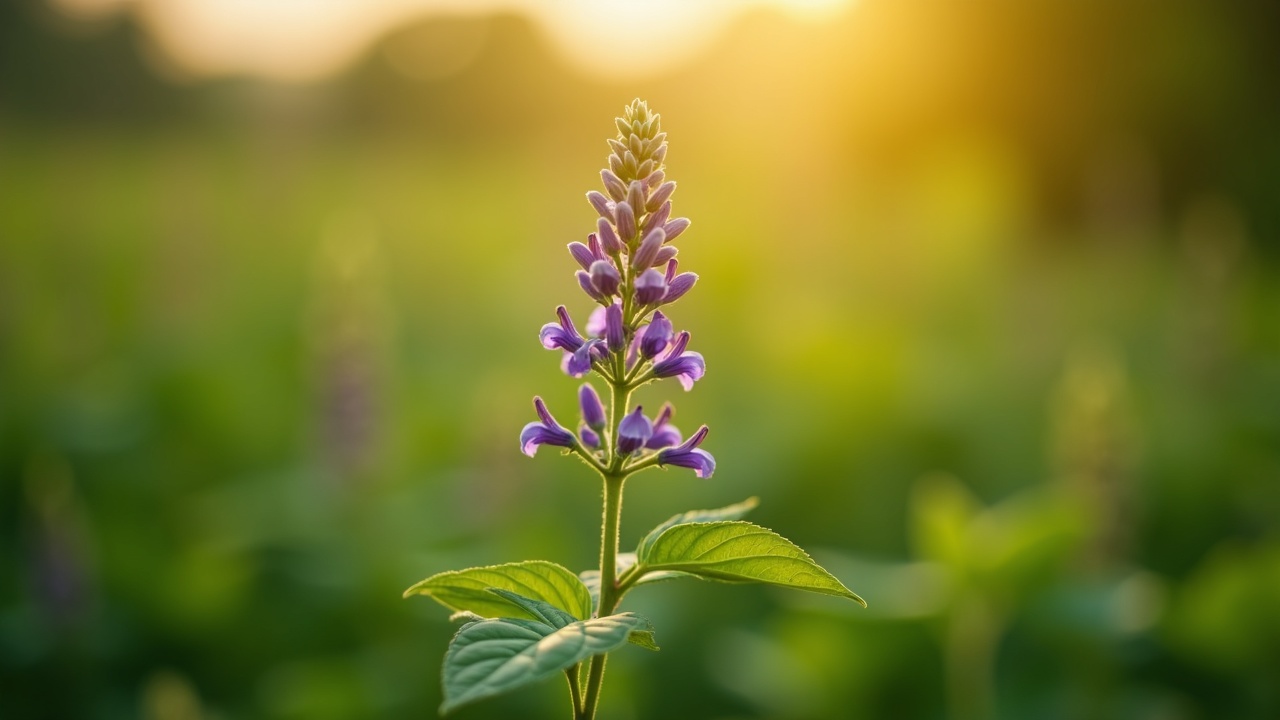
Ocimum tenuiflorum — A Complete Grower's and Herbalist's Monograph
Pure Euphoria Botanicals . Nored Farms . Austin, Texas
Quick Reference
| Common Names | Holy Basil, Tulsi, Sacred Basil, Kaphrao (Thai) |
| Botanical Name | Ocimum tenuiflorum L. (syn. Ocimum sanctum L.), Family: Lamiaceae |
| Native Range | Indian subcontinent; naturalized across Southeast Asia, tropical Africa, and South America |
| Plant Type | Herbaceous perennial in tropics (USDA 10-12); grown as annual in temperate zones |
| USDA Hardiness | Zones 10-12 perennial; annual or overwintered indoors in Zones 7-9 |
| Active Compounds | Eugenol, rosmarinic acid, ursolic acid, ocimumosides A and B, apigenin, linalool, beta-caryophyllene |
| Primary Actions | Adaptogenic, anti-inflammatory (COX-2), anxiolytic, hypoglycemic, immunomodulatory |
| Best Extraction Method | 100-proof ethanol tincture (1:5) for full-spectrum; steam distillation for essential oil |
| Harvest Part | Leaves and flowering tops; seeds for propagation |
| Bloom Season | Continuous in warm conditions; primary flush midsummer through fall |
| Legal Status | Legal worldwide; GRAS status in the United States; sold as dietary supplement |
Botanical Description
The Three Principal Varieties
Tulsi is not one plant with one chemistry. Three distinct cultivars dominate both traditional use and commercial production, each with a different compound profile.
Rama Tulsi (Ocimum tenuiflorum var. tenuiflorum) — The most common cultivar in Ayurvedic practice. Green leaves, white to pale purple flowers. Moderate eugenol content (40-50% of essential oil). Mildest flavor. Best general-purpose adaptogenic variety. This is the tulsi most often sold as tea.
Krishna Tulsi (Ocimum tenuiflorum var. purpurascens) — Dark purple stems and leaves, deep purple flowers. Highest eugenol concentration (up to 70% of essential oil). Strongest peppery-clove flavor. The most pharmacologically potent variety for anti-inflammatory applications. The purple pigmentation comes from anthocyanin accumulation, which itself contributes antioxidant activity independent of the essential oil fraction.
Vana Tulsi (Ocimum gratissimum — often grouped with tulsi but technically a separate species) — Wild forest basil. Larger leaves, more vigorous growth habit, can reach 4-5 feet. Higher concentration of eugenol methyl ether relative to free eugenol. Most aromatic variety. Least studied clinically but widely used in Thai and African traditional medicine. More cold-sensitive than Rama or Krishna.
A fourth variety, Kapoor tulsi (Ocimum tenuiflorum 'Temperate'), has been selected for cooler climates. It contains more camphor and less eugenol than the primary three. Useful for gardeners in shorter seasons but not pharmacologically equivalent.
Origin and History
Tulsi has been cultivated in India for over 5,000 years. The name tulsi derives from the Sanskrit tulasi, meaning "the incomparable one." In Hindu tradition, the plant is considered a terrestrial manifestation of the goddess Lakshmi and is grown in courtyards throughout India — not as ornament but as household pharmacy and spiritual anchor.
Ayurvedic Classification
In the Ayurvedic pharmacopoeia, tulsi is classified as a Rasayana — a rejuvenative herb that promotes longevity, nourishes tissues, and builds ojas (vital essence). Charaka Samhita, the foundational Ayurvedic text (circa 300 BCE), prescribes tulsi for respiratory conditions, digestive support, and as a vehicle herb to enhance the absorption of other medicines.
Critically, Ayurvedic Rasayana protocols are cyclical. Tulsi was traditionally administered in seasonal pulses — taken during monsoon and winter seasons when respiratory and immune stress peak, then tapered during warmer months. The modern supplement industry's recommendation of daily continuous use has no basis in the source tradition.
Global Spread
Tulsi traveled along spice trade routes to Southeast Asia, where it became integral to Thai cuisine (as kaphrao or Thai holy basil) and traditional medicine systems across Thailand, Indonesia, and Malaysia. Portuguese traders carried it to Brazil in the 16th century, where it naturalized rapidly. African varieties, particularly O. gratissimum (Vana tulsi), developed independently on the continent and have their own ethnobotanical history in West African healing traditions.
Plant Morphology
Ocimum tenuiflorum is an erect, many-branched subshrub reaching 12-24 inches in most cultivars (Vana type to 4-5 feet). Stems are square in cross-section — characteristic of the mint family — and become woody at the base in perennial settings.
Leaves: Simple, opposite, ovate to elliptic, 1-2 inches long. Margins serrate. Glandular trichomes on both surfaces contain the essential oil. Rama tulsi leaves are bright green; Krishna tulsi leaves range from dark green to deep purple depending on light exposure and temperature.
Flowers: Small, purplish or white, arranged in elongated racemes at branch terminals. Each flower produces four nutlets. The calyx is persistent and contains resinous trichomes with distinct chemistry from leaf trichomes — higher ursolic acid concentration in floral tissue.
Root system: Fibrous, shallow, concentrated in the top 8-12 inches of soil. Extensive lateral branching. Mycorrhizal associations documented with arbuscular mycorrhizal fungi, enhancing phosphorus uptake in poor soils.
Seeds: Tiny black nutlets, approximately 1 mm. Mucilaginous when wet — the seed coat swells to form a gel layer (similar to chia) that aids germination moisture retention. Seeds remain viable for 2-3 years under cool, dry storage.
Climate and Growing Conditions
Tulsi is a tropical plant forced into temperate schedules. Understanding what it actually wants versus what it tolerates is the difference between mediocre and potent harvests.
Temperature: Optimal growth at 77-95 degrees F. Growth slows sharply below 60 degrees F. Frost kills all varieties. Krishna tulsi is slightly more cold-tolerant than Rama; Vana is the most cold-sensitive.
Light: Full sun, minimum 6-8 hours direct. In the tropics, tulsi thrives in full equatorial sun without burning. In Texas and similar climates, afternoon shade in July and August prevents wilting during 105+ degree F days.
Humidity: Tolerates a wide range (40-80% RH). High humidity above 80% with poor airflow invites downy mildew (Peronospora belbahrii), the primary disease threat. Spacing plants at 12-18 inches and avoiding overhead irrigation in humid climates is preventive.
Water: Consistent moisture, not saturation. Tulsi roots rot quickly in waterlogged soil. Drip irrigation at the base is ideal. Established plants tolerate brief drought but produce less essential oil under sustained water stress — unlike ashwagandha, stress does not concentrate the target compounds in tulsi.
Soil
Tulsi performs best in well-drained, moderately fertile soil with a pH of 6.0-7.5. Heavy clay kills it. Sandy loam amended with compost is ideal.
Fertility: Moderate nitrogen promotes healthy leaf production. Excessive nitrogen pushes vegetative growth at the expense of essential oil concentration — the same pattern seen in lavender and most aromatic Lamiaceae. A single application of balanced compost at planting, plus a side-dress of worm castings at first flower bud, is sufficient for the entire season.
Drainage: Non-negotiable. Raised beds or mounded rows in any soil with clay content above 30%. Container growing with a 70/30 potting mix to perlite ratio works well for all three main varieties.
Mycorrhizal inoculation: Tulsi roots form strong arbuscular mycorrhizal associations. Inoculating at transplant with Glomus intraradices or a broad-spectrum AM fungal product improves phosphorus uptake and has been shown to increase essential oil yield by 15-20% in field trials (Gupta et al., 2002).
Propagation
From Seed
- Surface-sow seeds on moist starting mix. Do not cover — tulsi seeds are photoblastic (light-triggered germination)
- Maintain 70-75 degrees F soil temperature. A heat mat accelerates germination from 14-21 days to 7-10 days
- Mist gently; do not saturate. The mucilaginous seed coat holds moisture effectively once initial hydration occurs
- Thin or transplant at the 4-true-leaf stage to individual cells or 3-inch pots
- Harden off over 7-10 days before transplanting outdoors after all frost danger passes and nighttime lows consistently exceed 55 degrees F
From Cuttings
Tulsi roots readily from softwood stem cuttings — faster than seed for small-scale production.
- Take 4-6 inch cuttings from non-flowering stem tips in active growth
- Remove lower leaves, leaving 2-3 leaf pairs at the top
- Dip in rooting hormone (optional — tulsi roots well without it)
- Insert in moist perlite or vermiculite. Cover with a humidity dome or clear bag
- Roots develop in 10-14 days at 70-80 degrees F
- Transplant when root system fills the propagation cell
Growth and Harvest
Growth Habit Management
Pinch growing tips early and often. Every time a stem reaches 6 inches beyond the last pinch point, cut back to two leaf nodes. This prevents premature flowering and forces lateral branching, which multiplies the number of harvest-ready growing tips.
Allow tulsi to flower only when you want seed production or when harvesting flowering tops for extraction. The flowering stage shifts compound ratios — eugenol concentration in leaves peaks just before flower buds open, then declines as the plant redirects resources to seed production.
Harvest Timing
For maximum eugenol content: Harvest at the early bud stage, before flowers fully open. Cut stems 6-8 inches from the top, leaving at least two leaf nodes on each branch for regrowth. Morning harvest after dew evaporates but before midday heat — essential oil concentration in leaf trichomes peaks in the 2-3 hours after dew clearance.
Harvest frequency: In warm climates with a long season, expect 3-5 cuttings from each plant. Rama and Krishna tulsi regrow vigorously after cutting. Vana tulsi becomes woody faster and produces fewer regrowth cycles.
Yield: A single well-managed plant produces 100-200 grams of dried leaf and flowering tops per season. At 12-inch spacing, a 4x8 foot raised bed holds 24-32 plants, yielding 2.4-6.4 kg dried herb per season — enough for substantial tea and tincture production.
Post-Harvest Processing
Drying: Shade-dry at temperatures below 95 degrees F. Tulsi's volatile phenylpropanoids (eugenol, methyl eugenol) evaporate at temperatures above 100 degrees F. Single-layer spread on mesh drying racks with good airflow. Target moisture content: 8-10%. Properly dried tulsi should crumble when rubbed but not shatter to dust.
Do not use a food dehydrator above 95 degrees F. The convenience is not worth the eugenol loss. If forced to use mechanical drying, set to the lowest heat setting with maximum airflow.
Storage: Whole dried leaves in amber glass jars or opaque airtight bags. Cool, dark location. Shelf life 12-18 months for tea quality; 6-12 months for extraction-grade potency. Ground tulsi loses volatile compounds within weeks — grind only immediately before use.
Color retention: Properly dried Rama tulsi stays green. Krishna tulsi retains purple-brown coloring. If your dried tulsi is uniformly brown or smells like hay, it was either heat-damaged or stored too long.
Processing Methods
Method 1: Tulsi Tea (Traditional Infusion)
- 2-3 grams dried leaf per cup (8 oz), or 5-7 grams fresh leaf
- Pour water at 190-200 degrees F — not a full rolling boil. Boiling water volatilizes eugenol before it reaches the cup
- Steep covered for 7-10 minutes. Longer steeping extracts more rosmarinic acid but increases bitterness
- Strain and consume. Honey or ginger complement the clove-pepper notes of Krishna tulsi
Cycling protocol for daily tea use: 6-8 weeks on, 2-3 weeks off. This maintains HPA axis sensitivity and avoids the diminishing-returns pattern documented with continuous adaptogen use.
Method 2: Ethanol Tincture — Full-Spectrum
- Weigh dried tulsi leaf and flowering tops: 1 part herb to 5 parts menstruum by weight (1:5 ratio)
- Use 100-proof vodka (50% ethanol/50% water). The water fraction extracts water-soluble rosmarinic acid and ocimumosides; the ethanol fraction captures eugenol, ursolic acid, and essential oil compounds
- Combine in clean glass jar. All herb must be submerged
- Seal tightly. Shake vigorously for 2 minutes
- Store in a cool, dark location for 4-6 weeks. Shake daily for 30-60 seconds
- Strain through cheesecloth, then through a coffee filter
- Bottle in amber glass dropper bottles. Label with variety, ratio, proof, and date
- Shelf life: 3-5 years properly stored
Dose: 1-2 mL (20-40 drops) 2-3 times daily during the "on" phase of a cycle. Start at the low end for 3-5 days to assess tolerance.
Variety selection for tincture: Krishna tulsi produces the strongest anti-inflammatory tincture (highest eugenol). Rama tulsi produces the most balanced adaptogenic tincture. Blending 2 parts Rama to 1 part Krishna gives broad-spectrum coverage.
Method 3: Essential Oil (Steam Distillation)
Tulsi essential oil is commercially viable and has documented antimicrobial activity.
- Yield: 0.3-0.5% from dried herb (3-5 mL per kg dried material). Krishna tulsi yields highest
- Distillation: Standard copper or stainless steel steam distillation. Low pressure, slow distillation preserves the full terpene-phenylpropanoid profile. Rushed distillation at high heat overrepresents eugenol and loses lighter terpenes (linalool, beta-caryophyllene)
- Composition: Krishna tulsi oil is 60-70% eugenol, 10-15% beta-caryophyllene, 5-8% methyl eugenol, with linalool, 1,8-cineole, and minor terpenoids
- Use: Dilute to 1-2% in a carrier oil for topical anti-inflammatory application. Never ingest undiluted essential oil — concentrated eugenol is hepatotoxic at high doses
- Storage: Dark glass, cool storage, nitrogen-blanketed headspace if available. Oxidation degrades eugenol to less active forms within 6-12 months in poor storage conditions
Functional Compounds
Eugenol — COX-2 Inhibition Without Gastric Damage
Eugenol (4-allyl-2-methoxyphenol) is the dominant phenylpropanoid in tulsi essential oil. It inhibits cyclooxygenase-2 (COX-2) enzyme activity, reducing the synthesis of prostaglandin E2 (PGE2) — the same inflammatory mediator targeted by ibuprofen and celecoxib. The mechanism is competitive inhibition at the COX-2 active site.
The critical distinction: eugenol does not significantly inhibit COX-1 at typical doses. COX-1 maintains the gastric mucosal lining. NSAIDs that inhibit both COX-1 and COX-2 cause stomach ulcers. Eugenol's relative COX-2 selectivity provides anti-inflammatory activity with a better gastrointestinal safety profile (Pramod et al., 2010).
Practical significance: A properly made Krishna tulsi tincture delivers clinically relevant eugenol concentrations for mild-to-moderate inflammatory conditions without the GI risks of daily NSAID use. It does not replace prescription anti-inflammatories for severe conditions, but for maintenance-level inflammation management during cycling protocols, it is a rational tool.
Rosmarinic Acid — Dual-Pathway Antioxidant
Rosmarinic acid is a polyphenol ester found across the Lamiaceae family. In tulsi, it functions through two distinct pathways:
- Direct radical scavenging: Neutralizes peroxynitrite (ONOO-) and superoxide (O2-), two of the most damaging reactive species in chronic inflammatory tissue (Kelm et al., 2000)
- Complement cascade inhibition: Blocks C3 convertase activity in the complement system, an inflammatory amplification pathway that conventional antioxidants do not address
Rosmarinic acid is water-soluble. Tea extraction captures it efficiently. Ethanol tincture at 50% captures it alongside the lipophilic compounds — this is why 100-proof (not 190-proof) is the ideal menstruum for tulsi.
Ursolic Acid — Cortisol Modulation
Ursolic acid is a pentacyclic triterpenoid concentrated in tulsi's leaf cuticle and floral tissue. Its mechanism of cortisol modulation operates at the peripheral tissue level, not the central HPA axis (distinguishing it from ashwagandha's mechanism).
Ursolic acid inhibits 11-beta-hydroxysteroid dehydrogenase type 1 (11-beta-HSD1), the enzyme that converts inactive cortisone to active cortisol in liver, adipose, and brain tissue (Rollinger et al., 2010). By reducing local cortisol reactivation, ursolic acid decreases cortisol exposure in target tissues without suppressing the adrenal cortisol production that is necessary for acute stress response.
This is a fundamentally different mechanism from ashwagandha (which attenuates HPA axis signaling centrally) or rhodiola (which modulates stress-activated protein kinases). The different targets mean tulsi can be cycled alternately with these adaptogens for sustained stress management without desensitizing a single pathway.
Ocimumosides A and B — Stress-Induced Neurotransmitter Normalization
Ocimumosides are glycosidic compounds unique to Ocimum tenuiflorum. Animal studies demonstrate that they normalize corticosterone levels and restore monoamine neurotransmitter balance (serotonin, dopamine, norepinephrine) in chronic stress models (Ahmad et al., 2012).
The mechanism is not fully characterized but appears to involve modulation of the hypothalamic-pituitary-adrenal axis at multiple nodes — distinct from ursolic acid's peripheral action. The two compound classes likely work synergistically: ocimumosides address central stress signaling while ursolic acid manages peripheral cortisol reactivation.
Compound Summary Table
| Compound | Class | Primary Target | Mechanism | Extraction |
|---|---|---|---|---|
| Eugenol | Phenylpropanoid | COX-2 enzyme | Competitive inhibition of PGE2 synthesis | Ethanol, steam distillation |
| Rosmarinic acid | Polyphenol ester | ROS / complement C3 | Radical scavenging + complement inhibition | Water, ethanol |
| Ursolic acid | Pentacyclic triterpenoid | 11-beta-HSD1 | Inhibits cortisone-to-cortisol conversion | Ethanol (higher proof) |
| Ocimumosides A & B | Glycosides | HPA axis, monoamines | Normalizes stress-altered neurotransmitter levels | Water, ethanol |
| Beta-caryophyllene | Sesquiterpene | CB2 receptor | Selective cannabinoid receptor agonist (anti-inflammatory) | Steam distillation, ethanol |
| Apigenin | Flavone | GABA-A receptor | Positive allosteric modulator (anxiolytic) | Water, ethanol |
Safety and Contraindications
Cycling Is Not Optional
Tulsi modulates cortisol metabolism, COX-2 activity, and neurotransmitter balance. These are not systems that benefit from permanent pharmacological occupation. Continuous daily use beyond 8-12 weeks risks:
- HPA axis adaptation: The stress response system compensates for sustained modulation, reducing efficacy and potentially causing rebound cortisol elevation on cessation
- Eugenol accumulation: Chronic high-dose eugenol intake can cause hepatic stress. The dose makes the poison — occasional tea is fine, but daily concentrated tincture for months is reckless
- Thyroid interaction: Some evidence suggests chronic tulsi consumption may modestly suppress thyroid hormone levels. Insufficient data for firm conclusions, but cycling eliminates the risk
Recommended cycling: 6-8 weeks on, 2-4 weeks off for tea. 4-6 weeks on, 2-4 weeks off for tincture. Alternate with other adaptogens (ashwagandha, rhodiola, schisandra) during off periods if desired.
Blood-Thinning Effects
Eugenol has documented antiplatelet activity — it inhibits platelet aggregation through thromboxane A2 pathway interference. At tea doses, this is generally insignificant. At concentrated tincture or essential oil doses:
- Discontinue tulsi 2 weeks before any scheduled surgery
- Do not combine with anticoagulant medications (warfarin, heparin, apixaban) without physician guidance
- Monitor for easy bruising or prolonged bleeding at higher doses as a signal to reduce intake
Fertility and Reproductive Effects
Animal studies show mixed results on male fertility. High-dose tulsi leaf extract reduced sperm count and motility in rats at doses well above typical human consumption (Ahmed et al., 2002). Relevance to human tea or tincture doses is unclear, but:
- Couples actively trying to conceive: Discontinue concentrated tulsi preparations during the conception period as a precaution
- Pregnancy: Insufficient safety data for pregnancy. Traditional Ayurvedic practice generally avoided tulsi during pregnancy. Default to caution — discontinue during pregnancy and nursing
- Emmenagogue properties: Tulsi has traditional use as a mild emmenagogue (promoting menstrual flow). Women with heavy menstrual bleeding should monitor response
Blood Sugar Interactions
Tulsi demonstrates hypoglycemic activity in clinical studies (Agrawal et al., 1996). Individuals on diabetes medications (metformin, sulfonylureas, insulin) should monitor blood glucose closely when introducing tulsi and adjust medication with physician guidance. The risk is additive hypoglycemia.
System Integration
Companion Planting
Tulsi is one of the most effective companion plants for the vegetable garden, and the reasons are chemical, not mystical.
Pest deterrence: Eugenol and methyl eugenol volatilize from leaf trichomes in warm conditions, creating a localized aromatic zone that repels aphids, whiteflies, and mosquitoes. Plant tulsi at the perimeter of tomato and pepper beds for measurable pest reduction. The effect is strongest with Krishna tulsi (highest eugenol emission).
Pollinator support: Tulsi flowers continuously in warm weather and is heavily visited by honeybees, native bees, and beneficial wasps. In a polyculture system, tulsi increases pollinator density for adjacent fruiting crops.
Allelopathic note: Tulsi exhibits mild allelopathic effects through root exudates. Avoid planting directly adjacent to seedlings or delicate herbs like cilantro. Established plants are unaffected. Spacing tulsi 18-24 inches from sensitive crops eliminates interference.
Polyculture Design
Tulsi integrates well into a multi-tier polyculture:
- Canopy layer: Fruit trees (fig, pomegranate, moringa)
- Mid-story: Tulsi, peppers, eggplant (all Zones 9-12 compatible)
- Ground cover: Sweet potato, nasturtium
- Root zone: Ginger, turmeric (in partial shade created by the mid-story)
In this arrangement, tulsi provides pest deterrence for the entire mid-story, pollinator attraction for the canopy layer, and produces its own harvestable yield. The aromatic trichome emissions create a microclimate of volatile organic compounds that synergize with companion plant defenses.
Rotation and Soil Impact
Tulsi is not a heavy feeder and does not deplete soil significantly. However, continuous monoculture of tulsi in the same bed can build pathogen loads (particularly Fusarium wilt). Rotate tulsi beds on a 2-3 year cycle with brassicas or alliums, which break Lamiaceae-specific pathogen cycles.
References
- Pramod, K., Ansari, S. H., & Ali, J. (2010). Eugenol: A natural compound with versatile pharmacological actions. Natural Product Communications, 5(12), 1999-2006. DOI: 10.4103/0975-7406.72128
- Rollinger, J. M., Kratschmar, D. V., Schuster, D., Pfisterer, P. H., Guber, C., Aubry, C., ... & Odermatt, A. (2010). 11beta-Hydroxysteroid dehydrogenase 1 inhibiting constituents from Eriobotrya japonica revealed by bioactivity-guided isolation and computational approaches. Bioorganic & Medicinal Chemistry, 18(4), 1507-1515. DOI: 10.1016/j.bmc.2010.01.037
- Kelm, M. A., Nair, M. G., Strasburg, G. M., & DeWitt, D. L. (2000). Antioxidant and cyclooxygenase inhibitory phenolic compounds from Ocimum sanctum Linn. Phytomedicine, 7(1), 7-13. DOI: 10.1016/S0944-7113(00)80015-X
- Ahmad, A., Khan, M. M., Hoda, M. N., Raza, S. S., Khan, M. B., Javed, H., ... & Islam, F. (2012). Neuroprotective effect of Ocimum tenuiflorum standardized extract against oxidative stress and cognitive deficits. Journal of Ethnopharmacology, 143(2), 509-516. DOI: 10.1016/j.jep.2012.07.010
- Agrawal, P., Rai, V., & Singh, R. B. (1996). Randomized placebo-controlled, single blind trial of holy basil leaves in patients with noninsulin-dependent diabetes mellitus. International Journal of Clinical Pharmacology and Therapeutics, 34(9), 406-409. DOI: 10.1016/S0378-8741(96)01448-1
- Cohen, M. M. (2014). Tulsi — Ocimum sanctum: A herb for all reasons. Journal of Ayurveda and Integrative Medicine, 5(4), 251-259. DOI: 10.4103/0975-9476.146554
- Gupta, M. L., Prasad, A., Ram, M., & Kumar, S. (2002). Effect of the vesicular-arbuscular mycorrhizal (VAM) fungus Glomus fasciculatum on the essential oil yield related characters and nutrient acquisition in the crops of different cultivars of menthol mint (Mentha arvensis) under field conditions. Bioresource Technology, 81(1), 77-79. DOI: 10.1016/S0960-8524(01)00109-2
- Pattanayak, P., Behera, P., Das, D., & Panda, S. K. (2010). Ocimum sanctum Linn. A reservoir plant for therapeutic applications: An overview. Pharmacognosy Reviews, 4(7), 95-105. DOI: 10.4103/0973-7847.65323
- Singh, S., & Majumdar, D. K. (1997). Evaluation of anti-inflammatory activity of fatty acids of Ocimum sanctum fixed oil. Indian Journal of Experimental Biology, 35(4), 380-383.
- Mondal, S., Mirdha, B. R., & Mahapatra, S. C. (2009). The science behind sacredness of tulsi (Ocimum sanctum Linn.). Indian Journal of Physiology and Pharmacology, 53(4), 291-306.
- Ahmed, M., Ahamed, R. N., Aladakatti, R. H., & Ghosesawar, M. G. (2002). Reversible anti-fertility effect of benzene extract of Ocimum sanctum leaves on sperm parameters and fructose content in rats. Journal of Basic and Clinical Physiology and Pharmacology, 13(1), 51-59. DOI: 10.1515/JBCPP.2002.13.1.51
Tags: [plant-species] [growing] [extraction] [formulation] [soil-science] [beginner]