science
Natural Pest Control
Integrated pest management for the garden: cultural, biological, and physical controls that cut pests before you ever reach for a chemical.
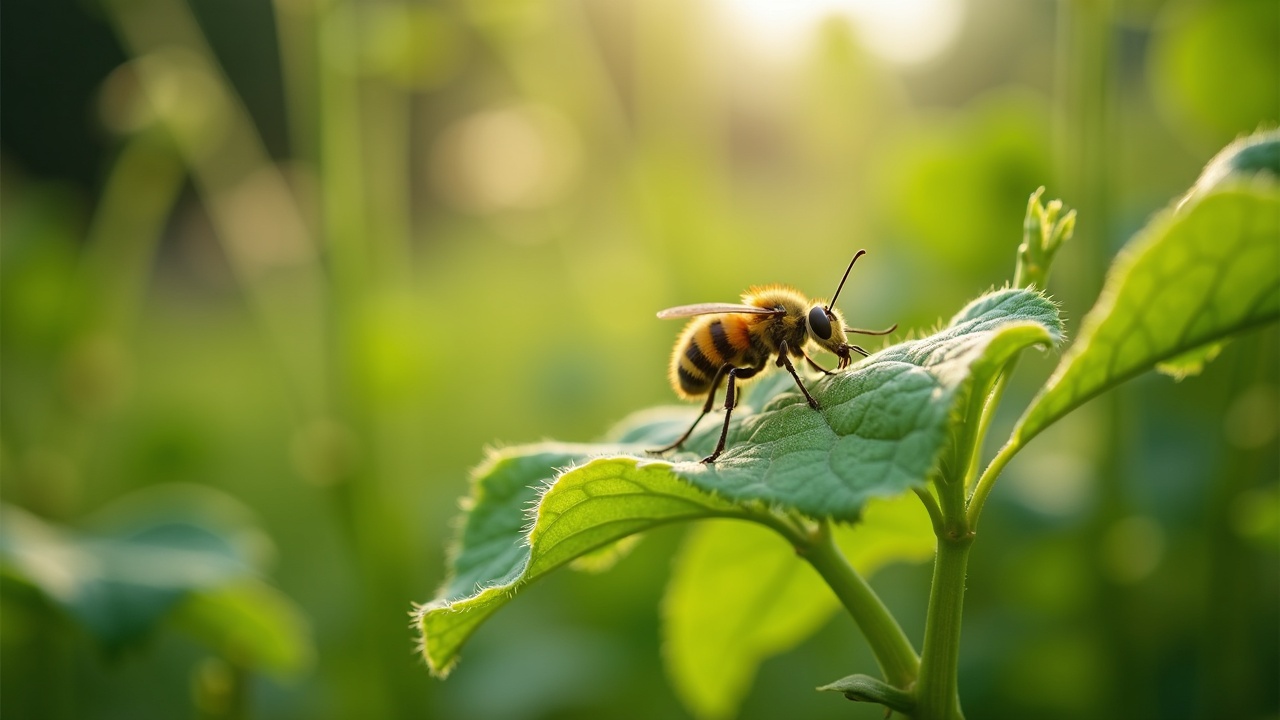
Integrated Pest Management: Design Before Chemistry
Pure Euphoria Botanicals | Nored Farms | Austin, Texas
Tags: [practical-skills] [growing] [beginner]
1. Introduction
The most productive gardens in the world use almost no pesticides. That is not an ideological statement. It is an observable pattern rooted in how ecosystems regulate themselves when given functional diversity and minimal disruption.
Integrated Pest Management — IPM — provides the framework. It ranks every available intervention by how much collateral damage it causes to the system that keeps pests in check naturally. The hierarchy matters because reversing the order creates the exact problem you are trying to solve.
The IPM Hierarchy:
- Cultural controls — Crop rotation, resistant varieties, sanitation, timing. These prevent pest establishment. Lowest cost, highest long-term return.
- Biological controls — Beneficial insects, predatory mites, microbial agents. These suppress pest populations that get through cultural defenses.
- Physical and botanical controls — Row covers, traps, neem, pyrethrin, diatomaceous earth. Targeted intervention when biological controls are insufficient.
- Synthetic chemical pesticides — Last resort. Not covered here because the first three tiers handle virtually every pest scenario a home or market gardener will encounter.
The reason cultural controls sit at the top is not sentiment. A garden designed to resist pests costs less, produces more, and improves every season. A garden dependent on sprays — even organic sprays — costs more, kills beneficial populations, and gets worse every season. One approach compounds. The other depletes.
2. Cultural Controls
Cultural controls are the cheapest and most effective pest management tools available. They work by making the environment hostile to pests before those pests arrive.
Crop Rotation
Growing the same crop in the same location year after year builds pest and pathogen populations in the soil. Colorado potato beetles overwinter in soil within 10 feet of last year's potato plants. Club root spores persist in brassica beds for 7 to 10 years. Crop rotation breaks these cycles.
Minimum rotation plan:
| Plant Family | Common Members | Key Pests Disrupted | Minimum Rotation |
|---|---|---|---|
| Solanaceae | Tomato, pepper, potato, eggplant | Colorado potato beetle, early blight, Verticillium | 3 years |
| Brassicaceae | Cabbage, broccoli, kale, radish | Club root, cabbage maggot, flea beetle | 3-4 years |
| Cucurbitaceae | Squash, cucumber, melon | Squash vine borer, powdery mildew, bacterial wilt | 2-3 years |
| Fabaceae | Beans, peas | Mexican bean beetle, root rot | 2 years |
| Allium | Onion, garlic, leek | Onion maggot, white rot | 3-4 years |
In small gardens where full rotation is impossible, even moving a crop 15 feet disrupts soil-dwelling pests with limited mobility.
Resistant Varieties
Heirloom varieties bred for centuries under pest pressure often carry resistance genes that modern hybrids have lost. San Marzano tomatoes carry moderate Verticillium resistance. Cherokee Purple tolerates fusarium wilt better than many modern slicers. When selecting varieties, prioritize documented disease resistance alongside flavor and yield.
Sanitation
Remove and destroy — not compost — diseased plant material at the end of each season. Squash vine borer pupae overwinter in plant debris left on the soil surface. Tomato blight spores survive on dead foliage through winter. Pulling spent plants promptly and clearing leaf litter from bed surfaces eliminates overwintering habitat for dozens of pest species.
Planting Timing
Many pest species have narrow emergence windows. Planting outside those windows avoids the worst damage entirely.
- Squash vine borer moths are most active from late June through July in most regions. Planting summer squash early (under row covers) or very late avoids peak egg-laying.
- Cabbage maggot flies emerge when soil temperatures reach 50 degrees F. Transplanting brassicas after peak fly activity reduces damage by 80 percent or more.
- Corn earworm populations build throughout summer. Early sweet corn plantings escape the heaviest pressure.
- Flea beetles are most damaging to seedlings. Transplanting larger starts instead of direct-seeding reduces vulnerability during the critical window.
3. Biological Controls
Every garden contains a predator-prey network. The goal is not to add predators — it is to stop killing them and provide habitat that keeps them resident.
Beneficial Insects
Lady beetles (Coccinellidae). Adults consume 50 to 60 aphids per day. Larvae — which look like small black and orange alligators — eat even more. The problem with purchasing lady beetles is retention. Without pollen sources, shelter, and water, released beetles disperse within 48 hours. Plant umbel flowers (dill, fennel, yarrow, Queen Anne's lace) and composite flowers (sunflower, coneflower, aster) to create permanent habitat.
Green lacewings (Chrysoperla spp.). Larvae are voracious generalist predators. They consume aphids, whiteflies, mealybugs, thrips, spider mites, and small caterpillars. Adults feed on pollen and nectar and need flowering plants to reproduce. Lacewing eggs can be purchased and distributed directly onto infested plants — they are more site-loyal than lady beetles because larvae are flightless.
Parasitic wasps (Trichogramma, Cotesia, Aphidius). These tiny, non-stinging wasps are among the most effective biological control agents known. Trichogramma species parasitize over 200 pest moth species by laying eggs inside pest eggs. Cotesia glomerata targets cabbage worms. Aphidius colemani parasitizes green peach aphids and other soft-bodied aphids. These wasps need consistent nectar sources — sweet alyssum, buckwheat, and cilantro in bloom are reliable attractants.
Hoverflies (Syrphidae). Adults are pollinators that resemble small bees. Larvae eat aphids at rates comparable to lady beetle larvae. Attracted by shallow dish flowers like yarrow and fennel.
Ground beetles (Carabidae). Nocturnal predators that eat slugs, cutworms, root maggots, and weed seeds. A single ground beetle can consume 50 or more weed seeds per night. Mulched pathways and permanent perennial borders provide daytime shelter.
Predatory Mites
Phytoseiulus persimilis is the standard biocontrol for two-spotted spider mites in greenhouses and gardens. These predatory mites reproduce faster than their prey when humidity stays above 60 percent. Release at the first sign of spider mite damage — they cannot establish on clean plants because they need prey to survive.
Stratiolaelaps scimitus (formerly Hypoaspis miles) targets fungus gnat larvae and thrips pupae in soil. Effective in containers, raised beds, and greenhouse benches.
Bacillus thuringiensis (Bt)
Bt is a naturally occurring soil bacterium that produces crystal proteins toxic to specific insect larvae. Different strains target different pests:
- Bt var. kurstaki (Btk) — Targets caterpillars: cabbage worms, tomato hornworms, corn earworms, cabbage loopers, tent caterpillars. Apply to foliage where caterpillars feed. The protein must be ingested to work. Reapply after rain.
- Bt var. israelensis (Bti) — Targets mosquito and fungus gnat larvae in standing water. Apply to rain barrels, ponds, and wet areas. No effect on fish, birds, mammals, or adult insects.
- Bt var. san diego (Btsd) — Targets Colorado potato beetle larvae. Apply to foliage when larvae are small.
Bt breaks down in UV light within 3 to 5 days. It does not persist in the environment, does not harm mammals or birds, and does not affect beneficial insects that are not actively feeding on treated foliage. Spray in evening to maximize residual activity.
Beneficial Nematodes
Entomopathogenic nematodes are microscopic roundworms that parasitize soil-dwelling insect larvae. They enter the host through natural openings, release symbiotic bacteria that kill the host within 48 hours, then reproduce inside the carcass and disperse.
- Steinernema feltiae — Fungus gnat larvae, shore flies, thrips pupae. Effective at soil temperatures of 50 to 80 degrees F.
- Heterorhabditis bacteriophora — White grubs, Japanese beetle larvae, black vine weevil larvae. Needs soil temperatures above 60 degrees F.
- Steinernema carpocapsae — Cutworms, sod webworms, armyworms, flea beetle larvae. Ambush predator — works best near the soil surface.
Apply nematodes in the evening to moist soil. UV light kills them rapidly. Water them in immediately after application and keep soil moist for 48 hours.
4. Physical Controls
Physical controls create barriers between pests and plants or remove pests mechanically. No chemistry, no residue, no collateral damage.
Row Covers
Lightweight spunbond fabric (Agribon AG-19 or equivalent) draped over hoops excludes flea beetles, cabbage moths, squash vine borers, leaf miners, and cucumber beetles. The fabric transmits 85 to 95 percent of light and allows rain through. Seal edges with soil, sandbags, or landscape staples — any gap large enough for a moth is large enough to defeat the purpose.
Remove covers from crops that require pollination (squash, cucumbers, melons) when flowering begins, or hand-pollinate.
Netting
Bird netting protects berries and tree fruit. Use 3/4-inch mesh for birds, finer mesh (insect netting) for spotted wing drosophila on blueberries and raspberries. Drape netting over a frame — laying it directly on plants traps birds and allows pest access at contact points.
Hand Picking
The most underrated pest control method. Effective for:
- Tomato hornworms — Large, visible, and slow. Check the undersides of upper leaves. One pass per morning eliminates them.
- Squash bugs — Crush egg clusters on leaf undersides (copper-colored, laid in neat rows). Pick nymphs and adults in early morning when they are sluggish.
- Japanese beetles — Shake into a bucket of soapy water in early morning.
- Slugs — Night patrol with a headlamp and a container of soapy water.
Traps
Yellow sticky traps. Attract and capture whiteflies, fungus gnats, winged aphids, and leaf miners. Place at canopy height. Effective for monitoring population levels — use them to decide when intervention is needed, not as a primary control method.
Pheromone traps. Species-specific lures that attract males and prevent mating. Available for codling moth, peach tree borer, Japanese beetle, and many others. Most useful for monitoring emergence timing. Mass trapping alone rarely reduces populations enough — combine with targeted sprays timed to pheromone trap catches.
Beer traps for slugs. Sink a shallow dish (tuna can, yogurt cup) flush with the soil surface and fill with cheap beer. Slugs are attracted to the yeast, fall in, and drown. Empty and refill every 2 to 3 days. Effective within a 3-foot radius. Not a standalone solution for heavy slug pressure — combine with habitat reduction (remove mulch around slug-prone crops, water in the morning instead of evening).
Copper barriers. Copper tape or mesh around raised bed edges delivers a mild galvanic reaction to slug and snail mucus. Works when the copper is clean and bright. Tarnished copper loses effectiveness. Not practical for large gardens but excellent for individual containers and small raised beds.
5. Botanical Pesticides
Botanical pesticides are derived from plants. They break down faster than synthetics and cause less environmental persistence, but they are not harmless. Every botanical pesticide kills some beneficial insects. Use them as targeted interventions, not preventive sprays.
Neem (Azadirachtin)
Neem oil comes from the seeds of Azadirachta indica. The active compound azadirachtin disrupts insect molting by interfering with the hormone ecdysone. Insects that ingest azadirachtin cannot complete their molt and die during the larval or pupal stage. It also acts as a feeding deterrent and repellent.
- Effective against: Aphids, whiteflies, thrips, leaf miners, caterpillars (small), mealybugs, scale (crawlers), spider mites.
- Application: Mix cold-pressed neem oil at 1 to 2 tablespoons per gallon of water with 1 teaspoon liquid castile soap as emulsifier. Spray in evening — azadirachtin degrades rapidly in UV light. Coat upper and lower leaf surfaces.
- Limitations: Works slowly (days, not hours). Most effective on immature insects. Does not kill on contact in most cases. Repeated applications needed at 7 to 10 day intervals.
Pyrethrin
Derived from Chrysanthemum cinerariifolium flower heads. Attacks sodium channels in insect nervous systems, causing rapid knockdown and paralysis. Degrades in sunlight within 24 to 48 hours.
- Effective against: Broad-spectrum — kills most soft-bodied insects on contact, including beneficials.
- Application: Use pyrethrin products, not pyrethroids (synthetic versions with longer persistence and higher toxicity). Apply in evening to minimize pollinator exposure.
- Limitations: Kills beneficial insects indiscriminately. No residual activity. Rapid degradation means multiple applications. Use only as a last-resort knockdown when populations have exceeded biological control capacity.
Rotenone
Derived from the roots of Derris and Lonchocarpus species. A mitochondrial electron transport chain inhibitor — it blocks cellular respiration in insects and fish.
- Status: Banned or restricted in many countries and states. Highly toxic to fish and aquatic invertebrates. Moderately toxic to mammals with chronic exposure. Where it remains legal, it is no longer a recommended practice for home gardens due to its broad toxicity profile and the availability of less harmful alternatives.
Diatomaceous Earth (DE)
Not technically a botanical — it is fossilized diatom shells — but it belongs in this category as a physical/mineral pesticide. The microscopic silica particles abrade the waxy cuticle of insect exoskeletons, causing dehydration.
- Effective against: Slugs, ants, earwigs, cockroaches, flea beetles, aphids (when dusted on dry foliage), bed bugs.
- Application: Dust onto dry foliage and around plant bases. Must remain dry to work — reapply after rain or irrigation. Use food-grade DE only. Pool-grade is crystalline silica and a serious respiratory hazard.
- Limitations: Kills beneficial insects that crawl through it. Ineffective when wet. Respiratory irritant — wear a dust mask during application.
Kaolin Clay
Surround WP (refined kaolin clay) creates a white particle film on foliage and fruit that repels and disorients insects. Does not kill — it makes the plant unrecognizable and uncomfortable for pests.
- Effective against: Japanese beetles, leafhoppers, codling moth (egg-laying deterrent), flea beetles, psyllids, plum curculio.
- Application: Mix 3 cups per gallon of water. Spray to full coverage before pest arrival. Reapply after rain.
- Limitations: Cosmetic coating on fruit requires washing. Can interfere with photosynthesis at excessive application rates. Does not control pests already established on plants.
6. Homemade Sprays: What Works and What Does Not
The internet is full of homemade pest spray recipes. Some work. Most do not. A few cause more damage than the pest.
Sprays That Work
Garlic-pepper spray. Blend 2 full garlic bulbs and 2 hot peppers (habanero or cayenne) with 1 quart of water. Strain through cheesecloth. Dilute concentrate at 1 part to 10 parts water. Add 1 teaspoon liquid castile soap. This is a repellent, not a pesticide. It deters soft-bodied insects and mammals from treated foliage. Reapply after rain. The capsaicin irritates insect mouthparts and the sulfur compounds in garlic repel many chewing and sucking insects.
Soap spray. Mix 1 to 2 tablespoons of pure liquid castile soap (not detergent, not dish soap with degreasers) per gallon of water. Spray directly onto soft-bodied insects — aphids, whiteflies, spider mites, mealybugs. The fatty acids dissolve the insect's protective wax coating, causing dehydration. Rinse foliage with clean water 2 hours after application to prevent leaf burn, especially in hot weather.
Horticultural oil spray. Mix 1 tablespoon of vegetable oil (soybean, canola, or neem carrier) with 1 teaspoon liquid castile soap per quart of water. Smothers soft-bodied insects and their eggs on contact. Apply when temperatures are below 90 degrees F to avoid phytotoxicity. Test on a single leaf 24 hours before full application on sensitive crops.
Sprays That Do Not Work (or Cause Harm)
Tobacco tea. Soaking tobacco in water creates a nicotine solution that kills some insects. It also introduces Tobacco Mosaic Virus, which infects tomatoes, peppers, and other solanaceous crops — causing mottled, stunted foliage and reduced yields with no cure. The risk far outweighs any pest control benefit.
Baking soda spray for insects. Baking soda has no insecticidal properties. It has marginal antifungal activity (covered in Section 9) but does nothing to insects.
Vinegar spray for insects. Household vinegar at 5 percent acetic acid does not kill insects at any practical dilution. Concentrated vinegar (20 percent) damages plant tissue alongside everything else. Neither is useful pest control.
Essential oil blends. Peppermint oil, rosemary oil, cinnamon oil — the commercially sold "natural pest control" sprays based on essential oils have minimal documented efficacy in controlled trials. Some provide brief repellent effects. None provide meaningful control of established pest populations. The cost per application far exceeds proven alternatives.
7. Common Garden Pests and Specific Solutions
Aphids
Small, soft-bodied, usually green or black, clustered on new growth and leaf undersides. Reproduce astonishingly fast — a single female can produce 80 offspring in a week without mating.
Solutions (in order):
- Strong water blast from a hose — knocks off 90 percent of aphids, and most cannot return to the plant.
- Encourage or release lacewing larvae or lady beetles.
- Soap spray applied directly to colonies.
- Neem oil spray for persistent infestations.
- Check for ant trails — ants farm aphids for honeydew and protect them from predators. Control the ants and predators handle the aphids.
Cabbage Worms (Imported Cabbageworm, Cabbage Looper, Diamondback Moth)
Green caterpillars on brassicas. The imported cabbageworm is velvety green with a faint yellow stripe. The cabbage looper moves in a looping motion. Diamondback moth larvae are smaller and more tapered.
Solutions:
- Row covers from transplant through harvest — the single most effective control.
- Hand pick daily. Check leaf undersides for eggs (white or yellow dots).
- Btk spray. Apply to foliage every 7 to 10 days, or after rain.
- Trichogramma wasp releases timed to moth flight (pheromone traps help determine timing).
Squash Bugs (Anasa tristis)
Shield-shaped gray-brown bugs on squash and pumpkin. Adults overwinter in plant debris and emerge when squash plants develop true leaves. Eggs are copper-colored, laid in clusters on leaf undersides.
Solutions:
- Sanitation — remove all cucurbit debris in fall.
- Crush egg clusters daily during early season.
- Hand pick adults and nymphs in early morning using boards laid flat near plants as overnight shelters (bugs congregate under them).
- Trap crop — plant Blue Hubbard squash at garden edges; squash bugs prefer it over other varieties. Destroy the trap crop once heavily infested.
- Neem oil spray on nymphs (adults are largely resistant to sprays due to their hard exoskeleton).
Tomato Hornworm (Manduca quinquemaculata)
Large green caterpillar with white chevron stripes and a horn on the rear end. Can defoliate a tomato plant in days.
Solutions:
- Hand pick. Obvious once you know what to look for — check upper leaves for large, dark droppings (frass) and follow up to find the caterpillar.
- If you find a hornworm covered in small white cocoons, leave it. Those are parasitic wasp (Cotesia congregata) pupae — the hornworm is already dead, and those wasps will parasitize future hornworms.
- Btk spray for small caterpillars.
- Black light inspection at night — hornworms fluoresce under UV.
Japanese Beetles (Popillia japonica)
Metallic green-copper beetles that skeletonize leaves on roses, grapes, beans, and dozens of other plants. Larvae (white grubs) feed on grass roots.
Solutions:
- Hand pick into soapy water in early morning.
- Do NOT use Japanese beetle pheromone traps in the garden — they attract far more beetles than they catch, increasing damage to nearby plants. Place traps only if they are 30 or more feet downwind from garden beds.
- Milky spore (Paenibacillus popilliae) applied to turf in fall infects grubs with a fatal disease. Takes 2 to 3 years to build to effective levels but persists for 10 to 20 years.
- Heterorhabditis bacteriophora nematodes applied to turf in late summer target grubs directly.
- Kaolin clay on foliage deters adult feeding and egg-laying.
Slugs and Snails
Nocturnal feeders that leave silvery slime trails. Worst in wet conditions, heavy mulch, and shaded gardens.
Solutions:
- Water in the morning, not evening — dry soil surface at night reduces slug activity.
- Reduce mulch around slug-prone crops (lettuce, strawberries, hostas).
- Beer traps (described in Section 4).
- Iron phosphate bait (Sluggo) — safe around pets, wildlife, and food crops. Scatter pellets around affected areas. Slugs stop feeding after ingestion and die within days.
- Copper tape barriers on containers and raised beds.
- Encourage ground beetles, toads, and snakes — all major slug predators.
Deer
Deer browse is the most damaging large-animal pest in most of North America. They eat $2 billion worth of crops and landscape plants annually.
Solutions:
- Fencing — 8-foot woven wire or electric. The only reliable long-term solution for heavy deer pressure. Double fencing (two 4-foot fences spaced 4 feet apart) works because deer will not jump into a narrow space they cannot see the far side of.
- Deer-resistant planting — lavender, rosemary, yarrow, daffodils, alliums, sage, Russian sage, catmint. No plant is truly deer-proof when populations are high, but these are consistently avoided.
- Repellent sprays — products containing putrescent egg solids (Liquid Fence, Deer Out) are the most effective category. Reapply monthly and after heavy rain.
- Motion-activated sprinklers — effective for small gardens. Deer habituate over time, so move the sprinkler periodically.
Rabbits
Clip stems cleanly at a 45-degree angle. Worst damage to young seedlings and tender greens.
Solutions:
- Hardware cloth (1/2-inch mesh) around beds, buried 6 inches below grade and extending 24 inches above. Rabbit exclusion is simple and permanent.
- Individual plant cages for young transplants.
- Blood meal scattered around bed perimeters — effective short-term repellent.
- A resident outdoor cat. Not a joke — one semi-feral barn cat on a property reduces rabbit damage to near zero.
8. Soil Pest Management
Soil-dwelling pests are harder to diagnose because the damage appears above ground while the cause lives below. Wilting plants with healthy-looking foliage, stunted growth without visible leaf damage, and plants that pull out of the ground with missing roots all point to soil pests.
White Grubs (Scarab Beetle Larvae)
C-shaped white larvae with brown heads, found 2 to 6 inches deep in soil. Feed on roots of grasses, strawberries, and many garden plants.
Solutions:
- Heterorhabditis bacteriophora nematodes applied in late summer when grubs are small.
- Milky spore for Japanese beetle grubs in turf areas.
- Turning soil in fall exposes grubs to birds and freezing.
Wireworms (Click Beetle Larvae)
Hard, shiny, yellow-brown worm-like larvae up to 1.5 inches long. Feed on roots, tubers, and germinating seeds. Worst in newly broken sod or pasture.
Solutions:
- Trap with cut potatoes buried 2 to 4 inches deep on sticks. Check every 3 days and destroy infested potato sections.
- Avoid planting root crops in the first 2 years after converting sod to garden — wireworm populations decline without grass roots.
- Beneficial nematodes (Steinernema carpocapsae) provide partial control.
Root Maggots (Cabbage Maggot, Onion Maggot)
Small white maggots feeding on roots of brassicas and alliums. Adults are small gray flies that lay eggs at the base of plants in spring.
Solutions:
- Row covers immediately after transplanting — exclude egg-laying flies.
- Tar paper or cardboard collars around transplant stems, flat on the soil surface, to block egg-laying at the root zone.
- Delay transplanting until after peak fly emergence (monitor with yellow sticky traps near the soil surface).
- Steinernema feltiae nematodes applied to soil around transplants.
Plant-Parasitic Nematodes
Microscopic roundworms that feed on roots, causing knots (root-knot nematode), lesions, or stunting. Distinct from beneficial entomopathogenic nematodes.
Solutions:
- Grow French marigolds (Tagetes patula) as a cover crop — their roots release alpha-terthienyl, a compound toxic to root-knot nematodes. Plant densely and incorporate into soil after 2 to 3 months of growth.
- Soil solarization — cover moist, bare soil with clear plastic for 4 to 6 weeks during the hottest part of summer. Temperatures above 130 degrees F in the top 6 inches kill nematodes, weed seeds, and many soilborne pathogens.
- Resistant rootstocks for grafted tomatoes and peppers.
- Add chitin-based amendments (crab meal, shrimp meal) — soil microbes that break down chitin also attack nematode eggs.
9. Disease Prevention
Plant diseases are not pests in the strict sense, but disease management is inseparable from pest management because many diseases are vectored by insects, and the cultural practices that prevent pests also prevent disease.
Fungal Diseases
Fungal infections — powdery mildew, downy mildew, early blight, late blight, black spot, anthracnose — account for 80 percent or more of plant disease in home gardens.
Copper fungicides. Fixed copper (copper hydroxide, copper octanoate) provides broad-spectrum fungal and bacterial disease prevention. Apply before infection — copper is a protectant, not a curative. Spray every 7 to 10 days during wet weather. Caution: copper accumulates in soil with repeated use over years. Rotate with other products and monitor soil copper levels in permanent beds.
Sulfur. Elemental sulfur or lime-sulfur prevents powdery mildew, rust, and apple scab. Apply when temperatures are below 85 degrees F — sulfur becomes phytotoxic in heat. Do not apply within 2 weeks of an oil spray (the combination causes severe leaf burn).
Potassium bicarbonate. More effective than baking soda (sodium bicarbonate) for powdery mildew. Mix 1 tablespoon per gallon of water with 1 teaspoon liquid soap. The potassium ion raises leaf surface pH, disrupting fungal spore germination. Commercial products (MilStop, GreenCure) are concentrated formulations.
Baking soda. Marginally effective against powdery mildew at 1 tablespoon per gallon with soap. The sodium can accumulate in soil and cause problems in containers or raised beds with repeated use. Potassium bicarbonate is the better choice in every measurable way.
Cultural prevention for fungal disease:
- Space plants for air circulation. Fungal spores need leaf wetness to germinate.
- Water at the base of plants, not overhead. Drip irrigation eliminates the single largest driver of foliar fungal disease.
- Mulch around tomatoes and other blight-susceptible crops to prevent soil splash onto lower leaves.
- Prune lower branches to keep foliage off the ground.
- Remove infected tissue immediately and dispose of it — not in the compost pile.
Bacterial Diseases
Bacterial diseases — fire blight, bacterial wilt, bacterial leaf spot — have no effective chemical treatment in the garden. Management is entirely preventive.
- Sanitation is the primary tool. Sterilize pruning tools between cuts with 70 percent isopropyl alcohol or a 10 percent bleach solution.
- Remove infected plants entirely when bacterial wilt is confirmed (Erwinia tracheiphila in cucurbits, Ralstonia solanacearum in tomatoes). Do not compost.
- Control insect vectors. Cucumber beetles vector bacterial wilt in cucurbits. Controlling the beetle prevents the disease. Row covers until flowering are the most reliable approach.
- Copper sprays provide partial prevention of bacterial leaf spot and fire blight when applied preventively. They cannot cure established infections.
Viral Diseases
Plant viruses — Tobacco Mosaic Virus, Cucumber Mosaic Virus, Tomato Spotted Wilt Virus, Tomato Yellow Leaf Curl Virus — have no treatment. Infected plants must be removed and destroyed.
Prevention is entirely about controlling insect vectors:
- Aphids vector Cucumber Mosaic Virus and dozens of other plant viruses. Reflective mulch (silver or aluminum) around susceptible crops confuses landing aphids and reduces transmission rates by 50 to 70 percent in controlled studies.
- Thrips vector Tomato Spotted Wilt Virus. Blue sticky traps monitor thrips populations. Spinosad spray provides targeted thrips control with lower beneficial insect impact than broad-spectrum alternatives.
- Whiteflies vector Tomato Yellow Leaf Curl Virus (a devastating disease in warm climates). Row covers and reflective mulch are the primary prevention tools.
- Never use tobacco products near tomato or pepper plants. Tobacco Mosaic Virus persists on hands, tools, and clothing. Wash hands with soap before handling solanaceous crops if you use tobacco.
10. Sources
- Flint, M.L. (2012). IPM in Practice: Principles and Methods of Integrated Pest Management. University of California Agriculture and Natural Resources Publication 3418.
- Cranshaw, W. (2004). Garden Insects of North America. Princeton University Press.
- Gillman, J. (2008). The Truth About Garden Remedies. Timber Press.
- Mordue, A.J. & Blackwell, A. (1993). Azadirachtin: an update. Journal of Insect Physiology, 39(11), 903-924.
- Tabashnik, B.E., Carriere, Y., Dennehy, T.J., et al. (2003). Insect resistance to transgenic Bt crops: lessons from the laboratory and field. Journal of Economic Entomology, 96(4), 1031-1038.
- Casida, J.E. & Quistad, G.B. (1995). Pyrethrum Flowers: Production, Chemistry, Toxicology, and Uses. Oxford University Press.
- Pfeiffer, D.G. et al. (2010). Biological control in integrated pest management systems. Virginia Cooperative Extension Publication 444-283.
- USDA Agricultural Research Service. (2020). Biological Control of Insects Research. USDA-ARS.
- Hazzard, R. et al. (2014). New England Vegetable Management Guide. University of Massachusetts Extension.
- Dufour, R. (2001). Biointensive Integrated Pest Management. ATTRA — National Sustainable Agriculture Information Service.
- Grewal, P.S., Ehlers, R.U., & Shapiro-Ilan, D.I. (2005). Nematodes as Biocontrol Agents. CABI Publishing.
- Wang, K.H. & McSorley, R. (2008). Exposure time to lethal temperatures for Meloidogyne incognita suppression and its implication for soil solarization. Journal of Nematology, 40(1), 7-12.
- Pottorff, L.P. & Panter, K.L. (2009). Integrated Pest Management. Colorado State University Extension Fact Sheet 5.595.
- McGrath, M.T. (2009). What Are Fungicides? The Plant Health Instructor, APS.
- Ellis, B.W. & Bradley, F.M. (1996). The Organic Gardener's Handbook of Natural Insect and Disease Control. Rodale Press.