guides
Nemaguard Peach Tree (Prunus persica ‘Nemaguard’): Comprehensive Cultivation, Sap Harvest, and Rootstock Use Guide
Complete guide to Nemaguard peach rootstock covering Prunus persica seedling selection, nematode resistance, grafting compatibility, sap flow dynamics.
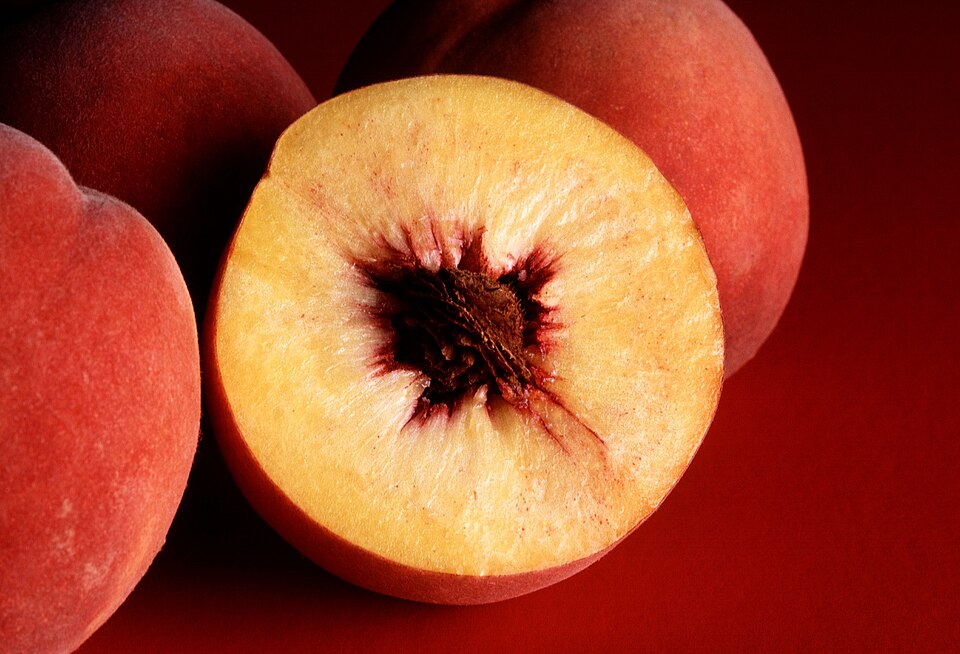
Botanical Description and Modern Scientific Context
Prunus persica ‘Nemaguard’ is a vigorous peach seedling rootstock selected and released by USDA programs primarily for its nematode resistance, strong early vigor, and compatibility with a wide range of stone-fruit scions. It is genetically a peach (Prunus persica), grown not for dessert-quality fruit but for structural performance below ground and physiological robustness above ground.
As a tree, Nemaguard exhibits typical peach morphology: a deciduous habit; narrow, lanceolate leaves with serrated margins; showy pink flowers in early spring; and small, variable fruit when ungrafted. Wood anatomy and cambial activity are similar to other peaches, which is relevant to sap flow dynamics and graft union formation.
In modern horticultural literature, Nemaguard is discussed in the contexts of rootstock–scion interactions, soil-borne pest resistance, water and nutrient uptake efficiency, and xylem/phloem compatibility. Secondary discussion exists around sap exudation (gummosis and spring sap flow), treated descriptively as a physiological phenomenon rather than a commercial syrup crop.
Rootstock Role
Nemaguard is valued not for its own fruit production but for the structural and physiological foundation it provides to grafted scions. Its primary contributions are nematode resistance, vigorous root development, and strong graft compatibility—making it a cornerstone rootstock in warm-climate stone-fruit production systems.
Origin, Breeding Purpose, and Agricultural Role
Nemaguard was developed in the mid-20th century to address root-knot nematode (Meloidogyne spp.) pressure in warm climates where peaches otherwise fail rapidly.
Its primary agricultural role is as a rootstock for:
- High-yielding peach cultivars
- Nectarines
- Some plums and interspecific stone fruit (with compatibility testing)
It is especially common in California, Texas, and the southeastern United States, where nematodes and replant disease limit peach longevity.
Nematode Resistance
Root-knot nematodes (Meloidogyne spp.) are among the most damaging soil-borne pests in stone-fruit orchards. Nemaguard’s genetic resistance reduces gall formation on roots, preserving effective root surface area and allowing sustained water and nutrient uptake even in infested soils.
Growth Habit, Vigor, and Longevity
Nemaguard is highly vigorous, producing strong vegetative growth and a large root system. Trees grown on Nemaguard rootstock tend to:
- Establish quickly
- Exhibit strong early growth
- Reach full canopy size faster than dwarfing stocks
Lifespan is determined primarily by scion choice and disease pressure rather than the rootstock itself, though Nemaguard contributes to improved orchard persistence in nematode-infested soils.
Root System Architecture and Soil Interaction
Roots are fibrous and extensive, with strong lateral spread rather than a dominant taproot. This architecture provides several functional advantages:
- Improves water uptake in sandy and loamy soils
- Enhances anchorage
- Increases nutrient interception
Nematode resistance is genetic and reduces gall formation, maintaining effective root surface area over time.
Climate Adaptation and Environmental Requirements
Nemaguard is best suited to USDA hardiness zones 7–10. It performs poorly in poorly drained or waterlogged soils, where peach roots are prone to hypoxia and rot.
| Parameter | Optimal Range |
|---|---|
| Winter Chilling Requirement | 650–850 hours below 7°C (45°F) |
| Summer Temperature Range | 25–38°C (77–100°F) |
| Sun Exposure | Full sun |
| Rainfall / Irrigation | Moderate; drought tolerance improves once established |
| USDA Hardiness Zones | 7–10 |
Soil Preferences and Fertility Management
Optimal Soil Conditions
| Parameter | Specification |
|---|---|
| Soil Texture | Sandy loam to loam |
| Soil pH | 6.0–7.0 |
| Drainage | Excellent (mandatory) |
Nutrient Dynamics
| Nutrient | Role | Notes |
|---|---|---|
| Nitrogen (N) | Drives vegetative vigor | Excess causes overly rank growth |
| Calcium (Ca) | Cell wall strength | Important for graft union integrity |
| Potassium (K) | Carbohydrate transport | Supports sap pressure regulation |
Excessively rich soils can lead to excessive sap flow and gummosis.
Propagation and Establishment
Nemaguard is propagated from seed, producing genetically uniform seedlings due to controlled selection. The establishment sequence follows a consistent pattern:
- Seed stratification: cold, moist conditions to break dormancy
- Nursery growth: seedlings grown to pencil-thick caliper
- Field planting or bench grafting: transplant or graft onto scion cultivar
Trees are rarely planted long-term without grafting, except in research, windbreaks, or specialty sap-focused contexts.
Nemaguard as a Rootstock for High-Production Stone Fruit
Nemaguard is widely used as a foundation tree for grafting high-yield peach cultivars. Its performance characteristics make it a standard choice in warm-climate commercial orchards.
Grafting Compatibility
Nemaguard demonstrates strong graft compatibility with peaches and nectarines, and limited compatibility with certain plum and interspecific stone-fruit hybrids. Compatibility testing is always recommended before committing to large-scale plantings with non-peach scions.
Advantages as a Rootstock
- Strong graft compatibility with peaches and nectarines
- High vigor supports large fruit loads
- Resistance to root-knot nematodes
- Good performance in replant sites
Limitations
- Not cold-hardy enough for northern climates
- Not tolerant of calcareous or saline soils
- Excess vigor requires canopy management
Scion Performance on Nemaguard
- Larger tree size
- Earlier bearing
- Higher total yield per tree (with proper thinning)
Flowering, Sap Flow, and Cambial Activity
Like other peaches, Nemaguard exhibits strong spring sap flow during late winter and early spring as cambial activity resumes. Sap movement is driven by:
- Root pressure
- Temperature differentials
- Stored carbohydrate mobilization
Sap exudation may be observed from pruning cuts, wounds, or natural fissures.
Sap Harvest Context (Descriptive, Non-Commercial Framing)
Peach sap is not a sugar-rich sap like maple or birch and is not traditionally harvested as a syrup crop. However, Nemaguard seedlings are sometimes discussed in experimental sap collection, botanical research, and ethnobotanical observation.
Sap Composition
| Component | Notes |
|---|---|
| Water | Primary constituent |
| Dissolved Sugars | Low concentration (not commercially viable) |
| Amino Acids | Present in spring flow |
| Organic Acids | Contribute to sap pH |
| Phenolic Compounds | Associated with defense responses |
Sap Flow Timing
- Peaks in late winter to early spring
- Intensifies during rapid temperature swings
Sap Bleeding as a Management Concern
Excessive sap bleeding is generally considered a management issue, not a yield goal, as it can weaken trees and reduce structural integrity over time. Pruning cuts during peak sap flow should be minimized to avoid unnecessary moisture loss and pathogen entry.
Gummosis and Resin Exudates
Peach trees, including Nemaguard, produce gum and resin exudates in response to various stressors:
- Mechanical injury
- Insect damage
- Pathogens
- Environmental stress
These exudates are rich in polysaccharides and phenolic compounds. Historically, peach gum was noted in folk practices as a plant resin, though modern horticulture treats gummosis primarily as a diagnostic symptom rather than a harvestable product.
Harvesting the Tree for Structural Rather Than Fruit Yield
Ungrafted Nemaguard trees produce small, inconsistent fruit that is typically discarded or used for seed. As a result, most biomass value comes from:
- Root system function
- Structural support of scions
- Cambial activity
- Long-term orchard performance
In specialty or experimental plantings, Nemaguard may be maintained as:
- A sap-flow study tree
- A grafting stock nursery plant
- A sacrificial or training tree for pruning systems
Pruning, Training, and Canopy Management
Trees are trained to open center (vase) systems when used as rootstock hosts. Vigor management is critical to preventing excessive sap pressure and gummosis.
Key Management Practices
- Summer pruning: reduces excessive sap pressure and controls vegetative growth
- Balanced fertilization: avoids overly rank growth from excess nitrogen
- Crop load management: thinning fruit to balance vegetative and reproductive growth
Poor management increases gummosis and reduces scion fruit quality.
System Integration and Use Cases
Recommended Applications
- Commercial peach orchards in nematode-prone soils
- High-vigor backyard orchards
- Nursery production systems
- Grafting and propagation operations
Not Suited To
- High-pH calcareous soils
- Heavy clay soils
- Low-chill or cold winter climates
Safety, Handling, and Use Boundaries
Important: Prunus Cyanogenic Glycosides
Peach wood, leaves, and pits contain cyanogenic glycosides typical of Prunus species and are not used for food. Sap and gum are not considered edible products. Use of Nemaguard is agricultural and structural, not culinary.
Cultural and Educational Importance
Nemaguard represents a shift from fruit-centric tree valuation to system-centric horticulture, where underground performance determines above-ground success. It is a cornerstone teaching example for:
- Rootstock–scion physiology
- Nematode management
- Orchard longevity
- Graft compatibility
Scientific and Authoritative References
This article is informed by data and conclusions drawn from, but not limited to:
- USDA ARS Rootstock Development Programs
- Hartmann & Kester, Plant Propagation: Principles and Practices
- Westwood, Temperate-Zone Pomology
- Beckman et al., HortScience (peach rootstocks)
- Okie et al., Fruit Varieties Journal
- UC ANR Peach Rootstock Guidelines
- Texas A&M AgriLife Peach Production Resources
- FAO Stone Fruit Production Manuals
- Jones et al., Plant Physiology (sap flow and cambial activity)
- Byrne & Bacon, Stone Fruit Breeding and Genetics