plants
Oregano — Medicinal Applications
Oregano (Origanum vulgare) medicinal monograph: botany, origin and history, plant morphology, active compounds, and traditional and modern uses.
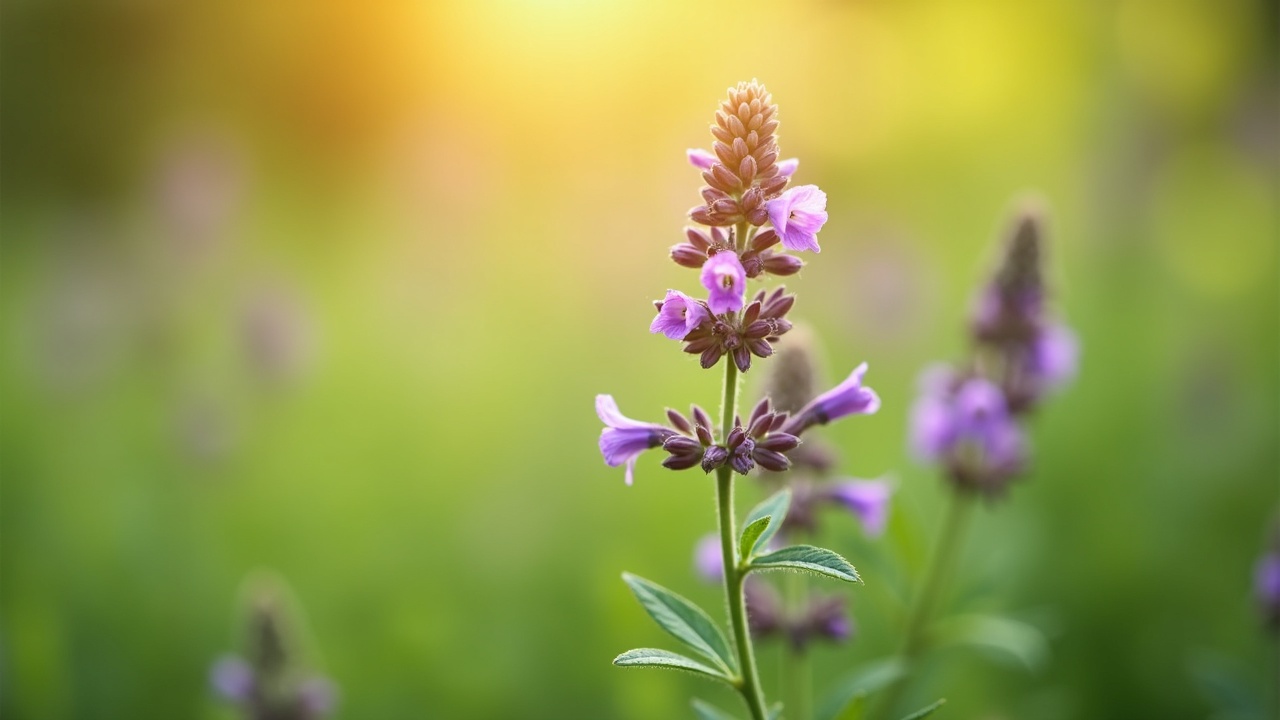
Origanum vulgare — A Complete Medicinal Monograph
Pure Euphoria Botanicals • Nored Farms • Austin, Texas
Quick Reference
| Common Name | Oregano, Wild Marjoram |
| Botanical Name | Origanum vulgare L. (Family: Lamiaceae) |
| Medicinal Subspecies | O. vulgare subsp. hirtum (Greek oregano) — primary medicinal chemotype |
| Native Range | Mediterranean basin, Western Asia, parts of North Africa |
| Plant Type | Herbaceous perennial; woody at base; spreading rhizomatous habit |
| USDA Hardiness | Zones 4–10 depending on subspecies and cultivar |
| Key Active Compounds | Carvacrol (60–80% of essential oil), thymol (1–5%), p-cymene, gamma-terpinene, rosmarinic acid |
| Primary Actions | Antimicrobial, antifungal, antioxidant, anti-inflammatory, biofilm disruptor |
| Best Extraction Method | Steam distillation for essential oil; Everclear 190-proof tincture for full-spectrum herbal extract |
| Harvest Part | Aerial parts — leaves and flowering tops |
| Legal Status | Legal worldwide; GRAS status (Generally Recognized as Safe) for culinary use; essential oil not FDA-regulated as a drug |
Botanical Description
Three plants are commonly sold as "oregano." They share a name and a dominant compound. They share almost nothing else.
Greek Oregano (Origanum vulgare subsp. hirtum)
The medicinal standard. Native to Greece, Turkey, and the eastern Mediterranean. Small, densely hairy leaves — the epithet hirtum means "hairy" in Latin. White flowers in compact terminal clusters. Essential oil content 2–5% by dry weight. Carvacrol content of the essential oil fraction: 60–80%. This is the chemotype used in clinical research and the source material for therapeutic-grade oil of oregano.
The hair density is not cosmetic. Glandular trichomes on leaf surfaces and stems are the production sites for essential oil. More trichomes, more oil, more carvacrol. Greek oregano grown in poor, dry, rocky soil under full Mediterranean sun produces the highest trichome density. Rich soil and irrigation dilute it.
Mexican Oregano (Lippia graveolens)
Not an oregano at all. Family Verbenaceae — closer to lemon verbena than to any Origanum species. Native to Mexico and Central America. Larger leaves, more angular growth habit, different flower structure entirely. Despite the taxonomic distance, Lippia graveolens independently evolved to produce carvacrol as a dominant essential oil constituent at 40–60%. Convergent chemical evolution driven by similar selection pressures — arid habitat, intense UV exposure, herbivore defense.
Mexican oregano is a legitimate medicinal plant in its own right. But it is not interchangeable with Greek oregano in clinical protocols. The secondary compound profile differs. The thymol-to-carvacrol ratio differs. The supporting terpenoid matrix differs. Research citations for O. vulgare subsp. hirtum do not apply to Lippia graveolens without independent validation.
Ornamental Oregano (Origanum vulgare subsp. vulgare)
The common garden oregano sold at nurseries across North America and Europe. Attractive purple-pink flowers. Pleasant fragrance. Almost no medicinal value. Essential oil content is typically below 1% by dry weight. Carvacrol content of whatever oil is present: 5–20% — sometimes lower. This subspecies exists in a fundamentally different chemotype than hirtum.
This is the source of the most common oregano misconception. People grow ornamental oregano, dry it, make tea, feel nothing, and conclude that oregano medicine is folklore. The plant they grew is a different chemical organism than the one used in research.
Identification shortcut: Crush a fresh leaf between your fingers. Greek oregano produces an immediate, sharp, almost burning aromatic intensity that lingers for minutes. Ornamental oregano smells pleasant and mild. If it does not sting, it is not the medicinal chemotype.
Origin and History
Oregano's medicinal reputation predates written pharmacology. Hippocrates used oregano preparations for gastrointestinal complaints and respiratory conditions — documented in the Corpus Hippocraticum, 5th century BCE. Dioscorides cataloged it in De Materia Medica (1st century CE) as a treatment for poisonous bites, digestive disturbance, and cough.
The word oregano derives from the Greek oros (mountain) and ganos (joy or brightness) — "joy of the mountain." Greek shepherds observed that goats and sheep browsing wild oregano on rocky hillsides showed fewer parasitic infections and better overall condition than animals grazing lowland pastures. This empirical veterinary observation persisted in Mediterranean agricultural practice for centuries before anyone identified carvacrol.
Traditional medicine systems across the Mediterranean, Middle East, and Central America independently developed oregano-based antimicrobial preparations. Turkish folk medicine uses oregano tea for respiratory and urinary tract infections. Mexican traditional healers use Lippia graveolens infusions for gastrointestinal parasites. These parallel applications reflect converging empirical discovery of the same bioactive compound in taxonomically unrelated plants.
Modern pharmacological research on oregano essential oil began in the 1990s, accelerated sharply after 2000, and now includes hundreds of peer-reviewed studies. The antimicrobial activity is not disputed. The mechanism is well characterized. The question is not whether carvacrol kills pathogens — it demonstrably does. The question is dose, delivery, duration, and safety boundaries for human therapeutic use.
Plant Morphology
Growth habit: Subshrub to herbaceous perennial. Woody base develops over successive seasons. First-year growth is primarily vegetative. Second year and beyond: established root system supports vigorous above-ground biomass.
Height: 30–80 cm (12–30 inches) depending on subspecies, soil, and moisture.
Stems: Square in cross-section (Lamiaceae family diagnostic). Erect to spreading. Branching increases with age and pruning.
Leaves: Opposite, simple, ovate to oblong. 1–4 cm long. Entire margins or very slightly toothed. Glandular trichomes visible under 10x magnification on both surfaces — denser on abaxial (underside) surface. In hirtum, leaves are noticeably hairy; in vulgare, glabrous to lightly pubescent.
Flowers: Small, tubular, borne in dense terminal corymbs or panicles. White in hirtum; pink to purple in vulgare. Calyx five-toothed with prominent glands. Bloom period: mid to late summer.
Root system: Fibrous with spreading rhizomes. Aggressive lateral spread in favorable conditions.
Essential oil glands: Peltate and capitate glandular trichomes concentrated on leaves, stems, bracts, and calyces. Oil production peaks at full bloom — this is the harvest window.
Climate and Growing Conditions
Oregano performs best under stress. This is counterintuitive to gardeners accustomed to optimizing fertility and moisture. For medicinal oregano, comfort is the enemy of potency.
Temperature: Full sun required. Minimum 6 hours direct sun daily; 8+ hours optimal. Heat-tolerant to 100°F+. Cold-tolerant to -30°F for established hirtum plants (Zone 4). Frost kills current-season top growth; root system survives and regenerates in spring.
Humidity: Low to moderate preferred. High humidity promotes fungal disease and dilutes essential oil production. Mediterranean climate ideal. Gulf Coast and Southeast growers: ensure excellent air circulation and raised beds.
Rainfall: 12–25 inches annually is sufficient. Drought-tolerant once established. Supplemental irrigation reduces essential oil concentration — water only during extended drought (3+ weeks without rain).
Soil Requirements
pH: 6.0–8.0. Tolerates alkaline soils well — a reflection of its limestone-karst Mediterranean origin.
Texture: Well-drained is non-negotiable. Sandy loam, gravelly loam, or rocky soil. Clay soils cause root rot in winter.
Fertility: Low to moderate. Do not fertilize medicinal oregano with nitrogen-rich amendments. Nitrogen drives vegetative leaf growth at the expense of essential oil production. One application of balanced compost at planting is sufficient. No side-dressing, no liquid feeds, no foliar sprays.
The stress-potency relationship: Essential oil production is a defense response. The plant synthesizes carvacrol and thymol to deter herbivores, repel pathogens, and reduce UV damage. Poor soil, low water, and high UV exposure increase the defense investment. Rich, moist, shaded conditions signal safety — the plant diverts resources to growth instead of chemistry.
This is why Greek oregano from rocky Cretan hillsides at 2,000 feet elevation tests at 5% essential oil content, while the same genetic line grown in irrigated garden beds in Oregon tests at 1.5%.
Propagation
Seed
Oregano seed is tiny — roughly 10,000 seeds per gram. Surface-sow on moist, fine-textured starting mix. Do not cover. Light is required for germination. Germination temperature: 65–70°F. Time to emergence: 7–14 days. Thin to strongest seedlings at 2-leaf stage.
Critical limitation: Seed-grown oregano is genetically variable. A packet of Origanum vulgare seed will produce a chemotype range from nearly devoid of carvacrol to moderately high. For reliable medicinal chemotype, vegetative propagation from a verified high-carvacrol parent is strongly preferred.
Division
Divide established clumps in early spring as new growth emerges. Separate rooted sections with a sharp knife. Each division needs at least 3–4 growing points and intact root mass. Replant immediately at original depth. Water once to settle soil. No further irrigation unless drought conditions develop.
Stem Cuttings
Take 4–6 inch softwood cuttings from current-season growth in late spring or early summer. Strip lower leaves. Dip in rooting hormone (IBA at 1,000 ppm). Insert in perlite or coarse sand. Mist environment or humidity dome at 70–75°F. Rooting in 2–3 weeks. Harden off and transplant to permanent location.
Recommended approach: Source a verified O. vulgare subsp. hirtum parent plant from a reputable medicinal herb nursery. Propagate by division or cuttings. Crush-test every batch for aromatic intensity before investing growing space.
Growth and Harvest
First Year
Establish plants at 12–18 inch spacing in full sun. Minimal harvest the first season — allow root system to develop. One light harvest of top growth at midsummer is acceptable. Cut no lower than 4 inches above ground level.
Second Year and Beyond
Two harvests per season in most climates:
- First cut: When plants reach 6–8 inches and flower buds begin forming (early to midsummer)
- Second cut: At full bloom — this is the primary medicinal harvest
Harvest timing: Essential oil content peaks at full bloom, specifically when 50–75% of flower heads are open. Morning harvest after dew has dried but before peak afternoon heat optimizes oil retention. Cut stems 3–4 inches above ground level.
Yield: Established beds produce 1–2 tons of fresh herb per acre per season. Fresh-to-dry weight ratio: approximately 4:1 to 5:1.
Signs of Declining Beds
After 4–5 years, oregano beds become woody and less productive. Essential oil content decreases in old wood. Divide, discard the woody center of each clump, and replant the vigorous outer sections in refreshed soil.
Post-Harvest Processing
Drying
The objective is rapid moisture removal without essential oil loss. Carvacrol has a boiling point of 237°C (459°F), so it survives moderate drying temperatures. However, the lighter terpenoids (p-cymene, gamma-terpinene) that support carvacrol's bioactivity volatilize at lower temperatures.
Air drying: Bundle 6–8 stems loosely. Hang inverted in a warm (70–85°F), dry, well-ventilated area out of direct sun. Drying time: 5–10 days depending on humidity. Complete when stems snap cleanly and leaves crumble between fingers.
Dehydrator: Set at 95–100°F. Spread herb in a single layer on mesh trays. Monitor every 2 hours. Complete in 6–12 hours.
Never: Oven above 110°F. Microwave. Direct sun.
Storage
Strip dried leaves from stems. Discard stems — essential oil concentration in stems is negligible compared to leaves and flowers. Store in airtight amber glass jars in a cool, dark location. Shelf life for dried herb: 12–18 months. Shelf life for whole dried flowering tops with leaves intact: 6–12 months (greater surface area exposure accelerates degradation).
Label with: plant name, subspecies, harvest date, drying method.
Processing — Medicinal Preparations
Preparation 1: Steam-Distilled Essential Oil (Oil of Oregano)
This is the concentrated medicinal product. Not the same as dried culinary herb. Not the same as an infused oil. Steam distillation isolates and concentrates the volatile essential oil fraction, producing a liquid that is 60–80% carvacrol by weight in the hirtum chemotype.
Equipment:
- Budget: Countertop copper or stainless steel alembic still (2–5 liter capacity). Available from distillation supply companies for $150–$400.
- Proper: Stainless steel steam distillation unit with separated steam generator, plant material column, condenser, and oil-water separator (Florentine flask or essencier). 10–50 liter capacity for production scale.
Process:
- Pack fresh or partially wilted oregano (harvested at full bloom) loosely into the plant material chamber — do not compress
- Generate steam below the plant material or inject from a separate boiler
- Steam passes through plant material, volatilizing essential oils from glandular trichomes
- Steam + oil vapor travels to condenser
- Condensed liquid separates in the Florentine flask — essential oil floats on hydrosol (aromatic water)
- Collect essential oil from the top of the separator
- Yield: 1.5–4% essential oil by weight of fresh herb. Approximately 50–100 lbs of fresh oregano per liter of essential oil.
Hydrosol: The aromatic water byproduct contains trace amounts of water-soluble essential oil components. Useful as a mild antimicrobial spray, facial toner, or surface cleaner. Shelf life: 6–12 months refrigerated.
Preparation 2: Everclear Tincture (Full-Spectrum Herbal Extract)
Tincture captures both the essential oil fraction and the non-volatile compounds — rosmarinic acid, flavonoids, tannins — that steam distillation leaves behind. This is the preferred preparation for systemic internal use.
Standard Tincture at 1:5 Ratio:
- Weigh dried oregano herb (leaves and flowering tops): 1 gram per 5 mL of Everclear 190-proof
- Grind or cut herb to coarse consistency — not powder
- Place in clean amber glass jar with tight-fitting lid
- Pour Everclear at the 1:5 ratio; herb must be fully submerged
- Seal and shake vigorously for 2–3 minutes
- Store in cool dark location for 4–6 weeks; shake daily for 30–60 seconds
- Strain through cheesecloth, then fine-mesh filter
- Transfer to amber glass dropper bottles; label with plant name, subspecies, ratio, solvent strength, and date
Dose: 2–4 mL (40–80 drops) up to 3 times daily with food. Limit therapeutic courses to 10–14 days. Minimum 14-day break between courses.
Fresh herb tincture: Use fresh oregano at 1:2 ratio (1 gram fresh herb per 2 mL Everclear). Fresh herb tincture captures volatile compounds that partially degrade during drying.
Preparation 3: Dried Herb Tea (Infusion)
The mildest preparation. Suitable for daily use within reason, but not a substitute for concentrated preparations in acute antimicrobial applications.
- Use 2–4 grams dried oregano per cup of water
- Bring water to 200°F (just below full boil)
- Pour over herb in a covered vessel — cover is essential to prevent volatile oil loss as steam
- Steep 10–15 minutes
- Strain and drink warm
Dose: 1–3 cups daily for up to 2 weeks during acute respiratory or digestive complaints. Take breaks of equal duration between courses.
Preparation Comparison
| Method | Active Fraction | Potency | Shelf Life | Best Application |
|---|---|---|---|---|
| Steam-distilled essential oil | Volatile terpenoids; 60–80% carvacrol | Very high — concentrated | 3–5 years | Topical antimicrobial; diluted internal use; diffusion |
| Everclear tincture (1:5) | Full spectrum — volatiles + non-volatiles | High | 3–5 years | Primary internal medicinal preparation |
| Dried herb tea | Water-soluble fraction; partial volatile capture | Mild to moderate | Same day | Daily wellness support; mild respiratory/digestive use |
| Infused oil (carrier oil + herb) | Lipophilic compounds only | Low | 6–12 months | Topical use only; not internal medicine |
Functional Compounds
Carvacrol — Primary Antimicrobial Agent
Carvacrol (2-methyl-5-(1-methylethyl)phenol) constitutes 60–80% of the essential oil in O. vulgare subsp. hirtum. It is a monoterpenoid phenol — a class of compounds defined by a hydroxyl group attached to an aromatic ring.
Antimicrobial mechanism — membrane disruption: Carvacrol is amphipathic — one end is hydrophobic (the aromatic ring and isopropyl group), the other is hydrophilic (the hydroxyl group). This structure allows it to insert into bacterial phospholipid bilayers. Once embedded, it increases membrane permeability. The electrochemical gradient across the membrane collapses. ATP synthesis stops. Intracellular contents leak. The cell dies (Lambert et al., 2001).
This mechanism is non-specific. Carvacrol does not target a single enzyme or pathway that bacteria can mutate around. It attacks the physical structure of the membrane itself. This makes resistance development significantly slower than with conventional antibiotics that target specific molecular targets.
Spectrum of activity (demonstrated in vitro):
- Escherichia coli — including multidrug-resistant strains
- Staphylococcus aureus — including MRSA
- Pseudomonas aeruginosa
- Candida albicans (antifungal activity)
- Salmonella spp.
- Listeria monocytogenes
- Klebsiella pneumoniae
Important caveat: In vitro activity does not equal clinical efficacy. Concentrations effective in a petri dish may not be achievable or safe in human tissue. Carvacrol's clinical evidence is strongest for topical and localized GI applications, not systemic bloodstream infections.
Biofilm Disruption — The Underappreciated Mechanism
Bacterial biofilms are structured communities of microorganisms embedded in a self-produced extracellular matrix of polysaccharides, proteins, and DNA. Biofilms are 100–1,000 times more resistant to antibiotics than planktonic (free-floating) bacteria of the same species.
Carvacrol disrupts biofilms through multiple simultaneous mechanisms:
- Quorum sensing interference: Bacteria coordinate biofilm construction through chemical signaling molecules (autoinducers). Carvacrol interferes with acyl-homoserine lactone (AHL) signaling in Gram-negative species, preventing the coordinated gene expression required to build the biofilm matrix (Nostro et al., 2012).
- Matrix degradation: Carvacrol destabilizes the extracellular polymeric substance (EPS) matrix that protects biofilm-resident bacteria, exposing them to immune system clearance and conventional antimicrobials.
- Motility inhibition: Sublethal carvacrol concentrations reduce bacterial swimming and swarming motility — behaviors required for initial surface attachment and biofilm colonization (Burt et al., 2014).
This triple mechanism makes carvacrol one of the more thoroughly studied natural biofilm disruptors. Clinical relevance: chronic sinusitis, chronic urinary tract infections, periodontal disease, and wound infections all involve biofilm-forming organisms.
Thymol — Synergistic Partner
Thymol (2-isopropyl-5-methylphenol) is an isomer of carvacrol — same molecular formula, different arrangement. Present at 1–5% in most hirtum chemotypes; up to 20–30% in thymol-dominant chemotypes.
Thymol operates through the same membrane disruption mechanism as carvacrol but with slightly different insertion kinetics. The combination is synergistic — meaning the combined antimicrobial effect exceeds the sum of individual effects. The proposed mechanism: thymol and carvacrol insert at different rates and angles within the bilayer, creating more extensive disruption than either compound alone.
Supporting Compounds
| Compound | Class | Function |
|---|---|---|
| p-Cymene | Monoterpene hydrocarbon | Membrane permeabilizer — facilitates carvacrol insertion into lipid bilayer; antimicrobial potentiator |
| Gamma-terpinene | Monoterpene hydrocarbon | Biosynthetic precursor to carvacrol; mild antimicrobial; antioxidant |
| Rosmarinic acid | Phenolic acid (non-volatile) | Anti-inflammatory; antioxidant; inhibits complement activation; present in tincture but absent from distilled oil |
| Linalool | Monoterpene alcohol | Anxiolytic; anti-inflammatory; present in some chemotypes |
| Beta-caryophyllene | Sesquiterpene | Anti-inflammatory via CB2 cannabinoid receptor agonism; gastroprotective |
Full-spectrum rationale: Steam-distilled essential oil is dominated by volatile terpenoids. Tincture extracts the full compound profile including rosmarinic acid and flavonoids. Both preparations have distinct therapeutic profiles. Tincture is preferred for systemic anti-inflammatory and antioxidant applications. Essential oil is preferred for acute topical antimicrobial action.
Safety
This section is the most important in the monograph. Oil of oregano is readily available, aggressively marketed, and genuinely dangerous if misused.
Concentration Matters
The gap between culinary oregano and oil of oregano is not incremental. It is categorical.
| Form | Carvacrol Exposure | Risk Level |
|---|---|---|
| Dried culinary herb in food | Trace — <0.1% of ingested mass | Negligible |
| Oregano tea (2–4g dried herb) | Low — partial volatile extraction | Low with normal use |
| Tincture (1:5) at standard dose | Moderate — full-spectrum extract | Moderate; cycling required |
| Undiluted essential oil (60–80% carvacrol) | Very high — concentrated cytotoxic phenol | High; must always be diluted; strict duration limits |
Gastrointestinal Irritation
Carvacrol is caustic to mucous membranes at high concentrations. Undiluted oil of oregano taken internally causes:
- Burning sensation in the mouth, esophagus, and stomach
- Nausea and vomiting
- Diarrhea
- Erosion of intestinal epithelium with sustained use
Minimum dilution for internal use: 1–3 drops essential oil emulsified in a teaspoon of olive oil or honey. Never take essential oil in water — oil and water do not mix, and the undiluted essential oil contacts mucosa directly. Always take with food.
Hepatotoxicity Risk
Carvacrol and thymol are metabolized by the liver via cytochrome P450 enzymes (primarily CYP1A2 and CYP2E1). Sustained high-dose intake saturates hepatic detoxification capacity. Animal studies demonstrate dose-dependent hepatotoxicity at concentrations achievable through aggressive essential oil supplementation protocols (Llana-Ruiz-Cabello et al., 2015).
Signs of hepatic stress: dark urine, upper right quadrant discomfort, fatigue, elevated liver enzymes on blood work. Discontinue immediately if any of these appear.
High-risk populations:
- People with existing liver disease or hepatitis
- People taking hepatotoxic medications (acetaminophen, statins, certain antibiotics)
- Heavy alcohol consumers
- People taking multiple herbal supplements metabolized via CYP450
Cycling Protocol — Non-Negotiable
Concentrated oregano preparations (essential oil and high-dose tincture) are intervention tools, not daily supplements.
Maximum therapeutic course: 10–14 days at therapeutic dose. Minimum break between courses: 14 days — equal to or greater than the use period. Maximum courses per year without practitioner guidance: 4–6.
Dried herb tea at moderate doses (1–2 cups daily) has a wider safety margin and can be used more frequently, but continuous daily use for months is still not recommended. Cycle 2 weeks on, 1 week off as a baseline.
The cycling rationale: The same cytotoxicity that kills pathogens damages commensal gut bacteria, stresses hepatic metabolism, and irritates mucosal tissue. Short courses leverage the antimicrobial power while allowing recovery between exposures. Daily long-term use converts a medicine into a poison.
Drug Interactions
| Drug Class | Interaction | Risk |
|---|---|---|
| Anticoagulants (warfarin, heparin) | Carvacrol may potentiate anticoagulant effects; increased bleeding risk | Moderate — avoid concurrent use |
| Antidiabetic medications | Possible additive hypoglycemic effect | Low to moderate — monitor blood glucose |
| Iron supplements | Carvacrol may reduce iron absorption | Low — separate dosing by 2+ hours |
| CYP450 substrates (broad category) | Carvacrol inhibits CYP1A2 and CYP3A4 | Variable — consult pharmacist for specific drug combinations |
| Lithium | Oregano has mild diuretic properties; may increase lithium concentration | Moderate — monitor lithium levels |
Contraindications
- Pregnancy: Emmenagogue effects documented in traditional use; potential uterine stimulation. Do not use essential oil or concentrated tincture during pregnancy.
- Nursing: Insufficient safety data. Avoid concentrated preparations.
- Children under 6: Do not use essential oil internally. Diluted tea only after age 2, at half adult dose.
- Scheduled surgery: Discontinue 2 weeks prior due to potential anticoagulant and blood sugar effects.
Allergic Reactions
Oregano allergy is associated with Lamiaceae family cross-reactivity. People allergic to basil, mint, sage, thyme, or lavender may react to oregano. Topical essential oil may cause contact dermatitis even in non-allergic individuals if applied undiluted. Always patch-test diluted oil on inner forearm 24 hours before broader application.
System Integration
Respiratory Protocol (Acute)
For acute upper respiratory infections, sinus congestion, or bronchial irritation:
- Steam inhalation: Add 3–5 drops essential oil to a bowl of steaming water. Drape towel over head and bowl. Inhale through nose and mouth for 5–10 minutes. Repeat 2–3 times daily for up to 7 days.
- Tincture: 3–4 mL three times daily with food for 10 days maximum.
- Combine with: Mullein leaf tea for lung tissue support. Elderberry syrup for immune activation. Rotate — do not stack all three for extended periods.
GI Antimicrobial Protocol (SIBO/Dysbiosis Support)
Oregano oil is one of the most studied botanical interventions for small intestinal bacterial overgrowth (SIBO).
- Emulsified essential oil: 200 mg emulsified oregano oil capsule (standardized to 60%+ carvacrol), twice daily with meals, for 14 days.
- Tincture alternative: 4 mL tincture three times daily with food for 14 days.
- Follow with: Probiotic restoration during the off-cycle. Fermented foods. Prebiotic fiber. The antimicrobial course kills overgrown organisms; the off-cycle rebuilds commensal populations.
- Duration: One 14-day course. Retest or reassess before repeating. Do not run consecutive courses without a break.
Topical Antimicrobial (Wound, Fungal, Skin)
- Dilution: 1–3% essential oil in carrier oil (jojoba, fractionated coconut, or olive oil). That is 6–18 drops essential oil per ounce of carrier.
- Application: Apply to clean skin 2–3 times daily. Cover with breathable dressing if needed.
- Fungal infections (athlete's foot, nail fungus): Apply 2% dilution twice daily for 4–6 weeks. Fungal infections require longer treatment courses than bacterial infections.
- Never apply undiluted essential oil to skin. Even "pure" therapeutic-grade oils will cause chemical burns at full concentration.
Synergistic Combinations
| Partner Herb | Combined Effect | Application |
|---|---|---|
| Thyme (Thymus vulgaris) | Synergistic antimicrobial — thymol + carvacrol dual membrane disruption | Respiratory infections; topical wound care |
| Berberine-containing herbs (goldenseal, Oregon grape) | Complementary mechanisms — membrane disruption + efflux pump inhibition | GI infections; SIBO protocols |
| Mullein (Verbascum thapsus) | Oregano antimicrobial + mullein demulcent lung support | Productive cough; bronchial infections |
| Marshmallow root (Althaea officinalis) | Oregano antimicrobial + marshmallow mucosal protection | GI protocols — marshmallow protects epithelium from carvacrol irritation |
References
Antimicrobial Mechanism — Membrane Disruption
- Lambert RJW, Skandamis PN, Coote PJ, Nychas GJE. 2001. A study of the minimum inhibitory concentration and mode of action of oregano essential oil, thymol and carvacrol. Journal of Applied Microbiology. 91(3):453–462. doi:10.1046/j.1365-2672.2001.01428.x
Biofilm Disruption and Quorum Sensing
- Nostro A, Sudano Roccaro A, Bisignano G, Marino A, Cannatelli MA, Pizzimenti FC, Cioni PL, Procopio F, Blanco AR. 2007. Effects of oregano, carvacrol and thymol on Staphylococcus aureus and Staphylococcus epidermidis biofilms. Journal of Medical Microbiology. 56(4):519–523. doi:10.1099/jmm.0.46804-0
- Nostro A, Papalia T. 2012. Antimicrobial activity of carvacrol: current progress and future prospectives. Recent Patents on Anti-Infective Drug Discovery. 7(1):28–35. doi:10.2174/157489112799829684
- Burt SA, Ojo-Fakunle VTA, Woertman J, Veldhuizen EJA. 2014. The natural antimicrobial carvacrol inhibits quorum sensing in Chromobacterium violaceum and reduces bacterial biofilm formation at sub-bactericidal concentrations. PLoS ONE. 9(4):e93414. doi:10.1371/journal.pone.0093414
Hepatotoxicity and Safety
- Llana-Ruiz-Cabello M, Gutiérrez-Praena D, Puerto M, Pichardo S, Jos A, Cameán AM. 2015. In vitro pro-oxidant/antioxidant role of carvacrol, thymol and their mixture in the intestinal Caco-2 cell line. Food and Chemical Toxicology. 81:72–79. doi:10.1016/j.fct.2015.04.007
- Baser KHC. 2008. Biological and pharmacological activities of carvacrol and carvacrol bearing essential oils. Current Pharmaceutical Design. 14(29):3106–3119. doi:10.2174/138161208786404227
Chemotype and Phytochemistry
- Lukas B, Schmiderer C, Novak J. 2015. Essential oil diversity of European Origanum vulgare L. (Lamiaceae). Phytochemistry. 119:32–40. doi:10.1016/j.phytochem.2015.09.007
- Kintzios SE. 2002. Profile of the multifaceted prince of the herbs. In: Kintzios SE (Ed.) Oregano: The Genera Origanum and Lippia. Taylor & Francis, London. pp. 3–8.
Synergy and Combined Effects
- Bassole IHN, Juliani HR. 2012. Essential oils in combination and their antimicrobial properties. Molecules. 17(4):3989–4006. doi:10.3390/molecules17043989
SIBO and GI Applications
- Chedid V, Dhalla S, Clarke JO, Roland BC, Dunbar KB, Koh J, Justino E, Tober E, Mullin GE. 2014. Herbal therapy is equivalent to rifaximin for the treatment of small intestinal bacterial overgrowth. Global Advances in Health and Medicine. 3(3):16–24. doi:10.7453/gahmj.2014.019
Rosmarinic Acid
- Petersen M, Simmonds MSJ. 2003. Rosmarinic acid. Phytochemistry. 62(2):121–125. doi:10.1016/S0031-9422(02)00513-7
General Ethnobotany
- Dioscorides P. De Materia Medica. 1st century CE. Book 3, Chapter 27.
- Duke JA. 2002. Handbook of Medicinal Herbs. 2nd ed. CRC Press, Boca Raton, FL.
Tags
- plant-species: Origanum vulgare, Origanum vulgare subsp. hirtum, Greek oregano, Lippia graveolens, Mexican oregano
- topic: plant-monograph, extraction, tincture, essential-oil, steam-distillation, antimicrobial, biofilm, carvacrol, thymol, plant-medicine
- type: monograph, extraction-guide, safety-guide, educational
- audience: herbalists, formulators, growers, self-reliance practitioners
- product-ref: oil-of-oregano, oregano-tincture, oregano-essential-oil
- zone: zone-4-10