plants
Egyptian Blue Lotus (Nymphaea caerulea): Comprehensive Cultivation, Processing, and Use Guide
Complete guide to Egyptian blue lotus cultivation covering Nymphaea caerulea growing parameters, aquatic propagation, harvest optimization.
Botanical Description and Modern Scientific Context
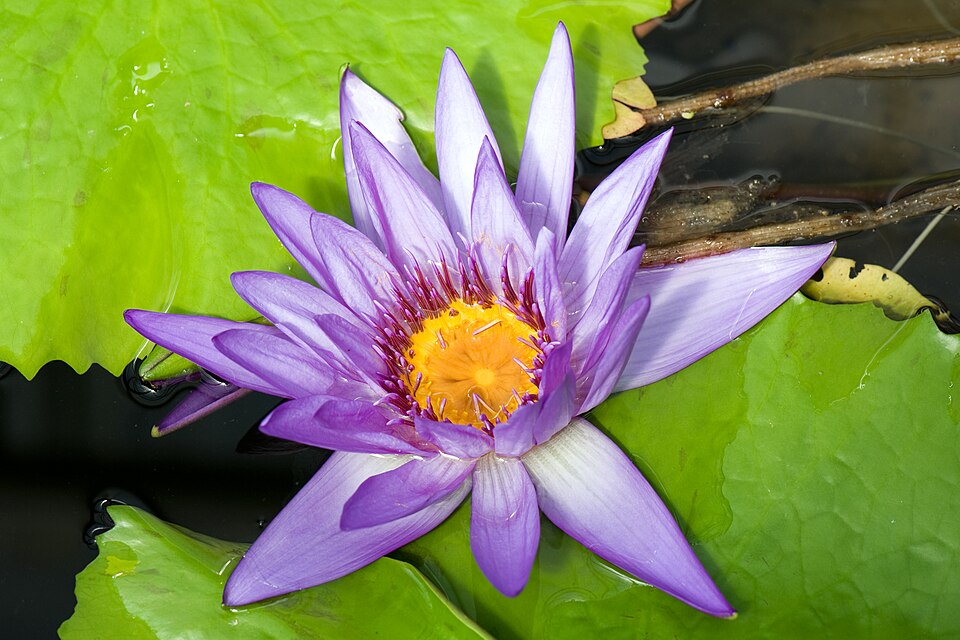
Egyptian blue lotus, Nymphaea caerulea, is a perennial aquatic plant native to the Nile basin and surrounding regions of North and East Africa. It is a day-blooming water lily with floating, round to oval leaves (typically 20–40 cm / 8–16 in diameter), long petioles anchored in submerged rhizomes, and distinctive star-shaped flowers with pale blue to violet petals and a yellow central disc.
The plant grows from fleshy rhizomes embedded in soft sediments. Leaves float at the surface, while flowers rise slightly above the water and open during daylight hours, often closing by late afternoon. Unlike lotuses of the genus Nelumbo, Nymphaea species are true water lilies with different anatomy and chemistry.
Key Compounds and Research Context
In modern scientific literature, blue lotus is discussed primarily for its aporphine alkaloids (notably nuciferine and apomorphine, present in varying trace-to-moderate amounts depending on plant part and preparation), along with flavonoids, phenolic acids, tannins, and aromatic glycosides. These compounds are studied for their interaction with dopaminergic, serotonergic, and cholinergic signaling pathways, as well as smooth muscle tone and mild sedative–euphoric effects—all within botanical, ethnopharmacological, and neurochemical research contexts rather than approved medical use.
Origin, Ecology, and Historical Use
Nymphaea caerulea was native to slow-moving rivers, floodplains, and shallow lakes of ancient Egypt and adjacent regions. It thrived in warm, sunlit freshwater environments with stable water levels and nutrient-rich sediments.
Archaeological and textual evidence shows blue lotus as one of the most symbolically important plants of ancient Egypt. It appears extensively in temple reliefs, tomb paintings, funerary texts, and ritual objects. The flower was associated with rebirth, altered states of awareness, pleasure, and the solar cycle due to its daily opening and closing.
Historical sources describe the flowers being infused in wine, oils, or fats, and used ceremonially, socially, and ritually. Modern chemical analysis supports that lipid- and alcohol-based preparations extract alkaloids and aromatic compounds more efficiently than water alone.
Rhizome, Flower, and Reproductive Biology
Blue lotus reproduces via both seed and vegetative rhizome expansion. Rhizomes are thick, horizontal, and produce nodes from which leaves and flowers emerge.
Flowers are insect-pollinated, producing small seeds contained within a spongy fruit that ripens underwater. Seeds can remain viable for extended periods under favorable conditions.
Propagation Preference
In cultivation, vegetative propagation via rhizome division is preferred due to faster establishment and genetic consistency. Seed-grown plants may take 1–2 seasons to flower, while rhizome divisions can produce blooms within the first growing season.
Climate Adaptation and Environmental Requirements
Egyptian blue lotus is best suited to USDA zones 9–11, though it can be grown in containers and overwintered indoors in cooler climates.
| Parameter | Optimal Range |
|---|---|
| Water Temperature | 22–30°C (72–86°F) |
| Air Temperature | 24–35°C (75–95°F) |
| Sunlight | Full sun (6–10+ hours daily) |
| Water Depth | 30–90 cm (12–36 in), depending on cultivar vigor |
| Water Movement | Still to very slow-moving |
Growth slows significantly below 18°C (65°F). Frost kills aerial growth, though rhizomes may survive short cold periods if protected.
Substrate, Nutrition, and Root Zone Conditions
Blue lotus prefers heavy, mineral-rich substrates such as clay loam or silty mud with high organic content.
| Parameter | Specification |
|---|---|
| Substrate pH | 6.5–7.8 |
| Texture | Dense enough to anchor rhizomes but not anaerobic |
| Organic Matter | Moderate to high |
Nutrient demand is moderate. Excess nitrogen promotes leaf growth at the expense of flowering, while phosphorus supports rhizome development and bloom formation.
Propagation, Establishment, and Growing Systems
Rhizome Propagation
- Divisions with at least one growing tip are planted horizontally
- Rhizomes are buried lightly, leaving the crown exposed
- Establishment occurs at water temperatures above 22°C (72°F)
Seed Propagation
- Seeds are scarified lightly and soaked in warm water
- Germination occurs at 25–30°C (77–86°F)
- Seed-grown plants may take 1–2 seasons to flower
Common Growing Systems
Blue lotus is commonly grown in:
- Outdoor ponds
- Lined water gardens
- Large containers or tubs
- Controlled greenhouse aquatic systems
Growth Cycle, Flowering, and Yield Dynamics
Under optimal conditions, plants produce floating leaves within weeks of establishment and begin flowering within the first growing season when propagated vegetatively.
Flowers open in the morning and close in the afternoon, lasting 2–4 days per bloom. Individual plants can produce dozens of flowers per season.
Peak Alkaloid Content
Peak alkaloid content is generally reported in fully opened flowers, particularly petals and stamens. Harvest timing relative to the bloom cycle directly influences the chemical profile of the final material.
Harvest Timing and Quality Considerations
Flowers are harvested at full bloom, typically mid-morning after opening. Petals are removed carefully and processed fresh or dried immediately to prevent enzymatic degradation.
Leaves and rhizomes are less commonly harvested but contain lower concentrations of target alkaloids.
Post-Harvest Handling, Drying, and Storage
| Parameter | Specification |
|---|---|
| Drying Method | Shade-dried or dehydrated at ≤40°C (104°F) |
| Moisture Target | <10% for storage stability |
| Storage Conditions | Airtight, light-protected containers at <20°C (68°F) |
Properly dried material retains blue-violet coloration and a mild floral aroma. Degradation of color or scent indicates suboptimal drying or storage conditions.
Processing, Preservation, and Transformation
| Method | Description | Notes |
|---|---|---|
| Aqueous Infusions | Hot water steeping | Extracts primarily flavonoids and aromatic compounds; alkaloid yield is limited |
| Alcohol Infusions | Ethanol maceration | Enhanced alkaloid extraction; widely described historically and in modern ethnobotanical literature |
| Oil or Fat Infusions | Lipid-based extraction | Lipophilic compounds captured effectively, particularly nuciferine |
| Wine Macerations | Flower-in-wine steeping | Historically documented; fermentation alters extraction kinetics and aroma |
Processing Determines Profile
Processing method strongly determines the chemical profile and sensory effects of blue lotus preparations. Lipid- and alcohol-based methods yield a broader spectrum of bioactive alkaloids compared to water-only preparations.
Psychoactive Effects and Neurochemical Context
Blue lotus is described in ethnobotanical and neurochemical literature as mildly psychoactive, producing effects often characterized as relaxing, subtly euphoric, anxiolytic, and mildly sedating rather than overtly hallucinogenic.
Key Compounds and Mechanisms
- Nuciferine: An aporphine alkaloid studied for dopamine receptor modulation (primarily D2 antagonism with complex downstream effects), serotonergic interaction, and smooth muscle relaxation
- Apomorphine (trace to low levels): A dopamine agonist studied extensively in clinical neuroscience; in blue lotus it is present at much lower concentrations and discussed in relation to mood and alertness modulation rather than pharmaceutical action
Reported Experiential Effects
Reported experiential effects in historical and observational literature include:
- Reduced anxiety and mental tension
- Mild mood elevation
- Enhanced sensory appreciation
- Facilitation of introspective or dreamlike states
Dose and Preparation Dependence
These effects are consistently described as dose-, preparation-, and individual-dependent, and are framed in academic sources as subtle neuromodulatory influences rather than discrete intoxication.
Potentiation and Synergistic Context
Ethnobotanical and pharmacognosy literature notes that blue lotus compounds may potentiate or modulate the effects of other substances by overlapping neurotransmitter pathways, particularly dopaminergic and serotonergic systems.
Commonly discussed theoretical or observational interactions include:
- Sedatives or relaxants: Additive calming effects due to shared pathways
- Alcohol: Historical preparations suggest perceptual and mood-modulating synergy
- Other aromatic or flavonoid-rich botanicals: Possible enhancement of sensory and affective tone
Academic Context Only
These interactions are discussed in academic contexts without standardized dosing, safety claims, or medical endorsement, emphasizing variability and the importance of conservative, informed use.
Culinary, Ritual, and Use Forms
Blue lotus is not a staple food plant. Use is traditionally ceremonial, aromatic, or beverage-based.
Common historical and modern forms include:
- Floral infusions
- Wine or alcohol macerations
- Oil infusions
- Aromatic blends
Flowers are the primary material used; leaves and rhizomes are secondary.
System Integration and Additional Considerations
Blue lotus integrates well into ornamental and multipurpose water gardens. Its presence improves habitat complexity for aquatic life.
Water quality stability is critical; algae blooms and nutrient spikes reduce flowering. Maintaining balanced nutrient levels, adequate water circulation, and appropriate stocking density ensures sustained bloom production and plant health.
Scientific and Authoritative References
This article is informed by data and conclusions drawn from, but not limited to:
- Emboden, Economic Botany
- Rätsch, The Encyclopedia of Psychoactive Plants
- Bertelli et al., Journal of Ethnopharmacology
- De Smet, Journal of Ethnopharmacology
- Duke, Handbook of Medicinal Herbs
- Krenn et al., Phytochemistry
- Shrestha et al., Natural Product Research
- Noyes et al., Neuropharmacology
- Abdel-Ghani et al., Fitoterapia
- EFSA botanical safety reviews on aporphine alkaloids