plants
Kavalactones Explained: The Science Behind Kava's Calm
How the six major kavalactones work together to create kava's unique relaxation effects. Understanding the science behind this Pacific Island ceremonial root.
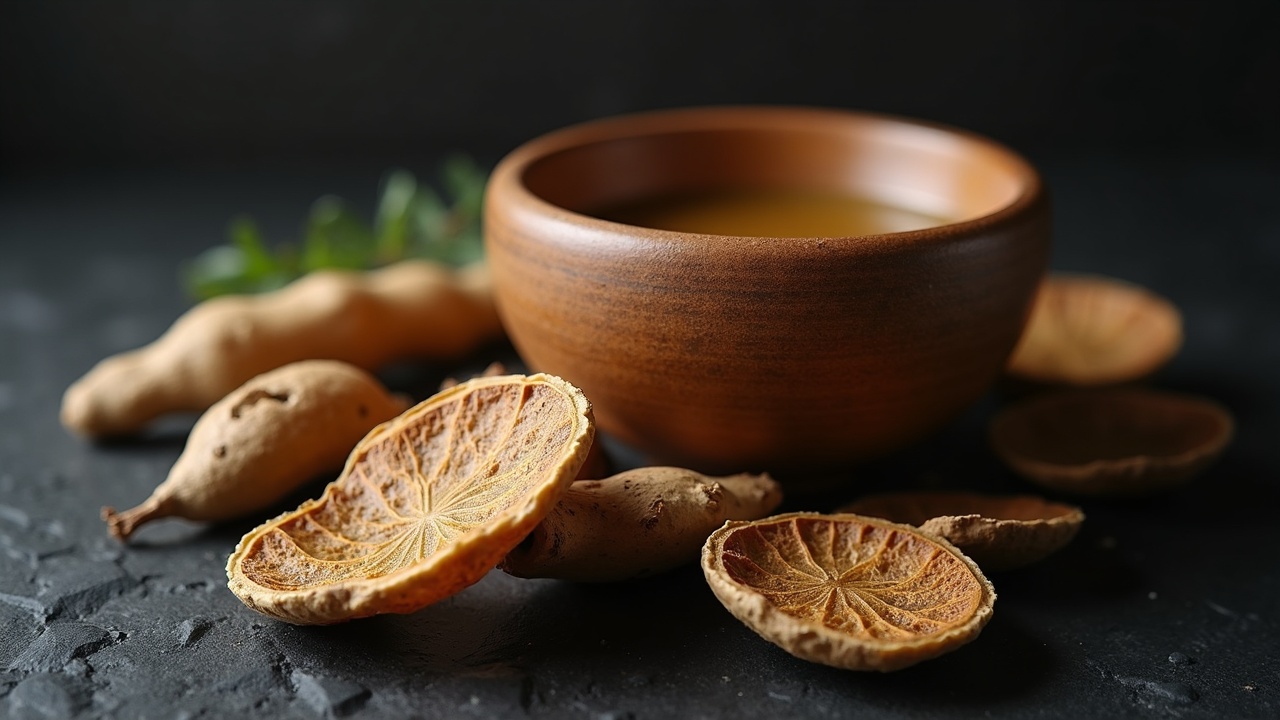
What Are Kavalactones?
Kavalactones are a class of lactone compounds found in the root of the kava plant (Piper methysticum). These compounds are responsible for kava's distinctive properties and have been the subject of extensive scientific research. There are 18 known kavalactones, but six major ones account for approximately 96% of the active content in kava.
For centuries, Pacific Island cultures have used kava in ceremonial and social contexts, prizing it for its calming properties. Modern science has helped us understand how kavalactones interact with the human body to produce these effects.
The Six Major Kavalactones
Each kavalactone has a distinct chemical structure and contributes differently to kava's overall effects. Understanding these compounds helps explain why different kava varieties can produce varying experiences.
1. Kavain (K)
Often considered the most important kavalactone, kavain is associated with kava's calming properties. It's well-absorbed and has been extensively studied in clinical settings. Kavain is abundant in "heady" kava varieties.
2. Dihydrokavain (DHK)
Structurally similar to kavain, dihydrokavain is another major kavalactone. It has a slightly different activity profile and contributes to the overall experience of kava consumption.
3. Methysticin (M)
Methysticin contains a methylenedioxy group in its structure. Research suggests it may have unique properties compared to other kavalactones, particularly regarding its interaction with certain enzyme systems.
4. Dihydromethysticin (DHM)
The dihydro form of methysticin, this kavalactone is particularly abundant in "heavy" kava varieties. It's associated with more body-focused effects.
5. Yangonin (Y)
Yangonin interacts with cannabinoid receptors, making it unique among kavalactones. This interaction may contribute to some of kava's distinctive properties.
6. Desmethoxyyangonin (DMY)
This kavalactone is less abundant than others but still contributes to kava's overall profile. It's structurally related to yangonin.
Understanding Chemotypes
Kava varieties are often classified by their "chemotype" - a six-digit number that indicates the relative abundance of the six major kavalactones. For example, a chemotype of "426153" means:
- Kavain (4) is most abundant
- Dihydrokavain (2) is second most abundant
- Desmethoxyyangonin (6) is third
- And so on...
Traditional "noble" kava varieties typically have chemotypes beginning with 4, 2, or 6 (kavain, dihydrokavain, or desmethoxyyangonin), which are considered to produce the most desirable effects.
Noble vs. Tudei Kava
"Noble" kava varieties have been selected over generations for their pleasant properties and are the only type traditionally used in Pacific Island ceremonies. "Tudei" (two-day) varieties have different chemotypes and are generally avoided for regular consumption. Always choose products made from noble kava varieties.
How Kavalactones Work
Research has identified several mechanisms by which kavalactones interact with the body:
GABA System Interaction
Some kavalactones, particularly kavain, have been shown to interact with GABA receptors in the brain. GABA is the primary inhibitory neurotransmitter, and this interaction may explain some of kava's calming properties.
Sodium Channel Effects
Kavalactones have demonstrated activity at voltage-gated sodium channels, which may contribute to their overall effects on the nervous system.
Dopamine Pathways
Research suggests kavalactones may influence dopamine pathways, potentially contributing to kava's effects on mood and motivation.
Choosing Quality Kava
When selecting kava products, consider these factors:
- Noble Varieties Only: Look for products made exclusively from noble kava cultivars
- Root-Based: Traditional kava uses only the root (not leaves or stems)
- Kavalactone Content: Quality products should disclose their kavalactone percentage (typically 3-20%)
- Lab Testing: Third-party testing ensures purity and confirms kavalactone content
- Chemotype Information: Premium vendors provide chemotype data
Traditional vs. Modern Preparation
Traditionally, kava was prepared by grinding the root and mixing it with water, then straining it through a cloth. This cold-water extraction method pulls kavalactones while leaving behind certain plant materials.
Modern extraction methods can produce more concentrated kavalactone preparations. These include:
- Micronized Kava: Finely ground root that dissolves in water
- Instant Kava: Pre-extracted and spray-dried for convenience
- Concentrated Extracts: Higher kavalactone content per serving
Conclusion
Understanding kavalactones helps demystify how this ancient plant produces its effects. The interplay of six major kavalactones, each with its own properties, creates the complex experience that Pacific Island cultures have valued for centuries.
When choosing kava products, prioritize those made from noble varieties with transparent lab testing and chemotype information. This ensures you're getting a quality product with a predictable kavalactone profile.
Our Kava Standards
Nored Farms sources only noble kava varieties and provides complete kavalactone profiles for all our kava products. We believe informed consumers make the best decisions for their wellness journey.