science
Industrial Hemp (Cannabis sativa L., Fiber- and Seed-Focused Chemotypes): Comprehensive Cultivation, Processing, and Physical-Use Guide
Complete guide to industrial hemp cultivation covering fiber and seed chemotypes, growing parameters, field establishment, retting, decortication.
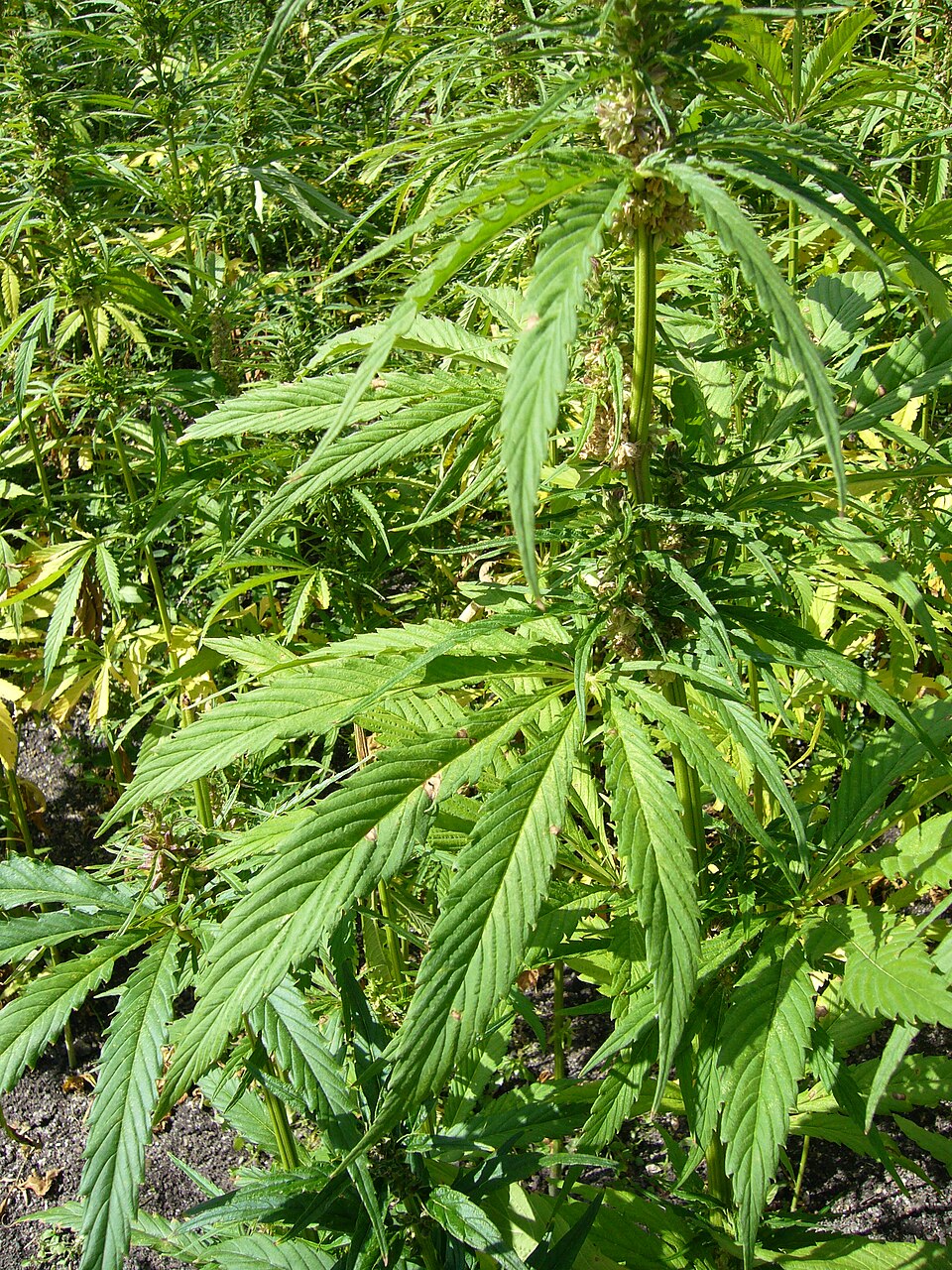
Botanical Description and Functional Context
Industrial hemp refers to non-intoxicating chemotypes of Cannabis sativa bred specifically for fiber, hurd (woody core), seed, and oil, rather than cannabinoid-rich flowers. These plants are typically tall, fast-growing annuals with minimal branching, long internodes, and strong bast fibers arranged in bundles along the stem.
From a materials-science perspective, hemp is notable for its exceptional fiber length, tensile strength, low density, and high cellulose content, combined with rapid biomass accumulation. These traits place hemp among the most versatile plant-based industrial feedstocks studied globally.
Modern Research Context
Contemporary research frames industrial hemp as a renewable structural material, a biocomposite reinforcement, and a carbon-sequestering crop, rather than a medicinal or psychoactive plant. Its value is assessed through the lens of materials science, regenerative agriculture, and low-carbon manufacturing.
Origin, History, and Industrial Lineage
Hemp has been cultivated for over 5,000 years across Asia, Europe, and the Middle East for rope, sails, textiles, paper, and food. It was historically critical to maritime infrastructure, early paper production, and agricultural economies worldwide.
Historical Applications
- Maritime rope and rigging
- Canvas and sailcloth
- Early paper production
- Military and agricultural cordage
Modern Resurgence Drivers
- Demand for low-carbon materials
- Replacement of petroleum-based plastics
- Interest in regional manufacturing and regenerative agriculture
Growth Habit and Structural Biology
Industrial hemp varieties are selected for rapid vertical growth, producing heights of 8–15 feet (2.5–4.5 m) in 90–120 days with single dominant stems, minimal lateral branching, and a high bast fiber-to-core ratio.
Stem Anatomy
| Component | Description |
|---|---|
| Bast Fibers | Long, strong, flexible fibers located beneath the bark |
| Hurd (Shiv) | Lignified woody core, lightweight and absorbent |
This dual-material stem enables multiple parallel product streams from a single harvest, making hemp uniquely efficient among fiber crops.
Climate Adaptation and Environmental Requirements
Industrial hemp performs best in USDA hardiness zones 4–8, though it is adaptable beyond this range with proper cultivar selection. Rapid early growth allows hemp to outcompete weeds naturally, reducing herbicide reliance.
| Parameter | Optimal Range |
|---|---|
| Temperature | 16–30°C (60–86°F) |
| Frost Sensitivity | Seedlings vulnerable; mature plants tolerate light frost |
| Sunlight | Full sun |
| Humidity | Moderate |
| Rainfall | 20–30 inches (500–760 mm) during growing season |
Soil Preferences and Fertility Dynamics
Industrial hemp prefers deep, well-drained soils. Waterlogging reduces fiber quality, making good drainage essential for production fields.
| Parameter | Specification |
|---|---|
| Texture | Loam or silty loam |
| pH | 6.0–7.5 |
| Drainage | Good; waterlogging reduces fiber quality |
Nutrient Considerations
| Nutrient | Role |
|---|---|
| Nitrogen (N) | Drives stem elongation and fiber yield |
| Phosphorus (P) | Supports root development |
| Potassium (K) | Improves stalk strength and disease resistance |
Hemp is often described as soil-improving, with extensive root systems that enhance aggregation and organic matter content over successive seasons.
Propagation, Establishment, and Field Systems
Industrial hemp is propagated exclusively from seed for commercial purposes. Dense planting encourages tall, straight stems optimized for fiber extraction.
Establishment Parameters
| Parameter | Specification |
|---|---|
| Seeding Rate (Fiber) | 40–70 lb/acre |
| Planting Depth | ½–1 inch (1.2–2.5 cm) |
| Row Spacing | Narrow, 6–8 inches for fiber production |
| Planting Time | After last frost when soils reach ~10°C (50°F) |
Growing Systems
- Broad-acre field production
- Crop rotation with grains or legumes
- Regenerative no-till systems (with adjustments)
Growth Cycle and Harvest Timing
Fiber hemp is harvested at early flowering, when fiber length and strength peak and lignification is limited. Dual-purpose hemp may be harvested later to allow seed development, trading some fiber quality for grain yield.
Typical Growth Timeline
| Stage | Timing |
|---|---|
| Emergence | 5–7 days |
| Rapid Vegetative Growth | Weeks 2–8 |
| Flower Initiation | Weeks 8–10 |
| Harvest | 90–120 days total |
Harvesting Methods and Primary Processing
Stems are cut and laid in the field for retting, a controlled microbial process that separates bast fibers from the woody core. After retting, stalks are dried, baled, and transported for decortication.
Retting Methods
Dew retting: Relies on natural moisture and microbes; the most common method worldwide. Water retting: Faster and more uniform, producing higher-quality fiber. Enzymatic retting: Industrial-scale, controlled-environment processing for maximum consistency.
Decortication and Material Separation
Decortication is the mechanical process that separates bast fibers, hurd (shiv), and dust/fines from the dried hemp stalk. This step defines downstream product quality and value.
- Bast fibers: Separated for textiles, composites, and cordage
- Hurd (shiv): Directed to construction, bedding, and particleboard
- Dust/fines: Used for bioenergy, pellets, or soil amendments
Clean separation enables cascading material use, maximizing total crop utility across multiple product streams.
Physical and Industrial Uses
Fiber-Based Applications
- Textiles: Yarn, canvas, denim blends
- Rope and cordage: High tensile strength, saltwater resistance
- Nonwovens: Insulation, erosion mats, geotextiles
- Composites: Automotive panels, bioplastics reinforcement
Fiber Processing Advantage
Hemp bast fibers combine exceptional length, tensile strength, and low density with high cellulose content. These properties make hemp fiber competitive with glass fiber in composite applications while offering biodegradability and a lower carbon footprint.
Hurd-Based Applications
- Hempcrete: Bio-based building material with excellent insulation and vapor permeability
- Animal bedding: Highly absorbent, low dust
- Mulch and soil amendment
- Particleboard and fiberboard
Seed and Oil Physical Uses
- Industrial lubricants
- Paints, varnishes, and coatings
- Bioplastics and resins
- Cosmetic and soap base oils
Hemp seed oil’s drying properties make it historically important in paints and wood finishes, where it functions as a natural binder and protective coating.
Construction and Building Materials
Hempcrete—a mixture of hemp hurd, lime binder, and water—is gaining significant attention as a bio-based construction material. Structural loads are carried by framing; hempcrete functions as a thermal and environmental envelope.
Hempcrete Properties
Lightweight — significantly reduces structural load requirements. Fire-resistant — lime binder provides natural flame retardancy. Mold-resistant — vapor permeability prevents moisture buildup. Carbon-negative over lifecycle — sequesters more CO2 during growth than is emitted during processing and construction.
Construction Applications
- Wall infill
- Insulation
- Acoustic panels
Paper and Packaging
Hemp fiber offers distinct advantages for paper production due to its high cellulose content, low lignin (compared to wood), and long fiber length.
- Durable paper
- Archival-quality sheets
- Specialty packaging
- Reduced chemical pulping requirements
Environmental and Regenerative Benefits
Hemp is widely recognized for its environmental profile, combining rapid carbon uptake with soil remediation capacity, low pesticide requirements, and high biomass per acre.
- Rapid carbon uptake: Hemp absorbs CO2 at high rates during its short growing season
- Soil remediation: Phytoremediation capacity for contaminated soils
- Low pesticide requirements: Natural weed suppression through dense canopy
- High biomass per acre: Efficient land use for material production
Root System Benefits
- Improved soil porosity
- Enhanced water infiltration
- Increased organic matter content
Waste Streams and Circular Use
Nearly all plant parts from an industrial hemp harvest are usable, making hemp ideal for zero-waste processing models.
| Plant Fraction | Use |
|---|---|
| Fiber | Textiles and composites |
| Hurd | Construction and bedding |
| Fines | Pellets or soil amendment |
| Dust | Bioenergy or filler |
Storage, Handling, and Logistics
Fiber quality degrades with improper storage, making logistics planning a critical component of hemp production.
- Dried stalks must be stored below ~15% moisture
- Protected from rain and standing water
- Adequate airflow to prevent mold development
Safety, Use Boundaries, and Considerations
Industrial hemp contains minimal cannabinoids and is not intoxicating. Safety considerations in hemp processing are centered on mechanical and environmental factors rather than chemical toxicity.
- Dust control: Important in processing facilities to protect respiratory health
- Fiber handling: Standard PPE required due to mechanical irritation, not toxicity
- Cannabinoid content: Legally defined as ≤0.3% THC by dry weight in the United States
Cultural and Industrial Significance
Industrial hemp represents a material transition crop, linking agriculture to manufacturing. Its value lies not in novelty, but in scalable physical performance across industries.
- A climate-positive material source
- A rural manufacturing anchor
- A replacement for extractive, non-renewable materials
As demand grows for low-carbon, biodegradable, and regionally produced materials, industrial hemp is increasingly positioned at the center of regenerative manufacturing and circular economy strategies.
Scientific and Authoritative References
This article is informed by data and conclusions drawn from, but not limited to:
- Karus & Vogt, European Industrial Hemp Association Reports
- FAO, Industrial Uses of Hemp
- USDA Agricultural Research Service – Hemp Fiber Studies
- Small & Marcus, Hemp: A New Crop with New Uses
- Shahzad, Journal of Industrial Textiles
- Amaducci et al., Industrial Crops and Products
- Walker et al., Construction and Building Materials (hempcrete)
- Nova Institute, Hemp Biocomposites Research
- Bos et al., Composites Part A
- Van der Werf, Field Crops Research