plants
Kava (Piper methysticum): Comprehensive Cultivation, Processing, and Use Guide
Complete guide to kava cultivation covering Piper methysticum, kavalactone chemistry, tropical growing parameters, clonal propagation, harvest timing.
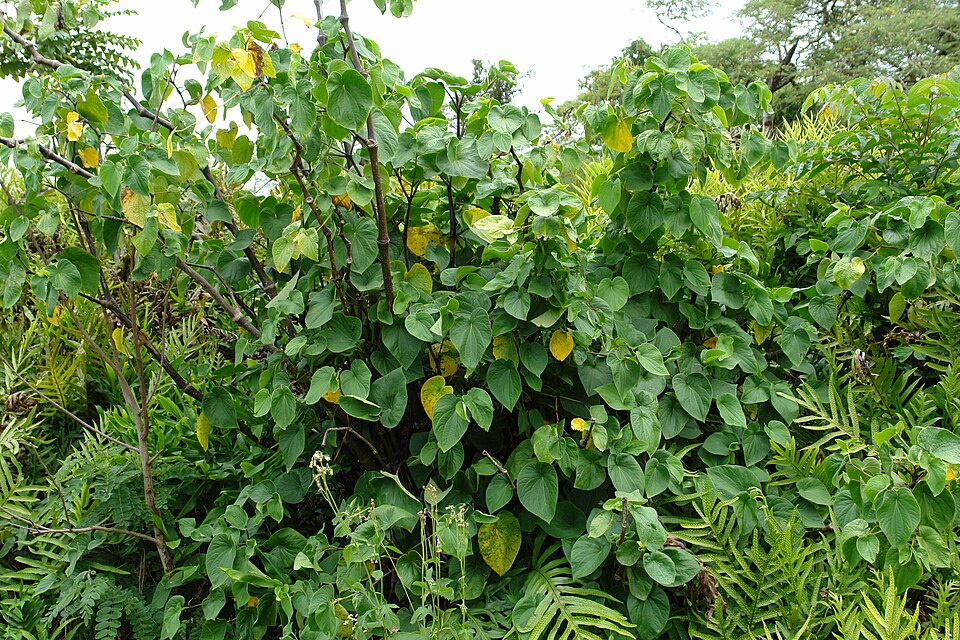
Botanical Description and Modern Scientific Context
Kava, Piper methysticum, is a long-lived, perennial shrub in the Piperaceae family, closely related to black pepper. It typically reaches 6–12 feet (1.8–3.7 m) in height and forms multiple upright stems arising from a thickened, knotty rhizome and lateral root mass. Leaves are large, heart-shaped, glossy, and thin-textured, borne alternately on swollen nodes characteristic of Piper species.
The plant is sterile in cultivation; virtually all known kava varieties are clonally propagated and do not produce viable seed. This sterility has preserved distinct traditional cultivars—“noble,” “two-day,” and regional types—selected over centuries for specific sensory and social effects.
In modern scientific literature, kava is discussed for its kavalactones—a group of lipophilic styrylpyrones including kavain, dihydrokavain, methysticin, dihydromethysticin, yangonin, and desmethoxyyangonin. These compounds are studied for their interaction with GABAergic transmission (non-benzodiazepine), voltage-gated ion channels, monoamine modulation, endocannabinoid signaling (CB1 affinity for yangonin), and stress-response pathways, consistently framed within ethnopharmacology and neurochemistry rather than approved medical use.
Kavalactone Research Context
Kavalactones do not act through a single receptor pathway. Research describes a multi-target pharmacological profile involving GABA-A modulation, sodium and calcium channel inhibition, monoamine reuptake effects, and endocannabinoid interaction. These mechanisms are discussed within the framework of ethnopharmacological and neurochemical research rather than pharmaceutical intervention.
Origin, Domestication, and Historical Use
Kava originated in Near Oceania (likely northern Vanuatu or surrounding Melanesian islands) and spread throughout Polynesia and Micronesia via early Austronesian voyaging cultures.
For at least 3,000 years, kava has been a central ceremonial, social, and diplomatic plant across the Pacific. It was (and remains) consumed in formal rituals, conflict resolution, storytelling, spiritual observance, and communal gatherings.
Traditional Ceremonial Context
Traditional use emphasized specific cultivars, preparation methods, and social context. Kava was never treated as a casual intoxicant; its role was to calm, center, and equalize participants within a shared ceremonial space. This distinction between ceremonial use and casual consumption remains central to Pacific Island cultural perspectives on the plant.
Root and Rhizome Morphology, Propagation, and Genetics
The usable portion of kava is the root and basal rhizome, which store the highest concentrations of kavalactones. Aerial stems and leaves contain minimal active compounds and are not traditionally used.
Vegetative Propagation
Propagation is entirely vegetative, as the plant does not produce viable seed in cultivation.
| Parameter | Specification |
|---|---|
| Propagation Material | Stem cuttings with 2–5 nodes |
| Rooting | Adventitious roots form readily under warm, humid conditions |
| Genetic Stability | Cultivar identity preserved through clonal propagation |
| Time to Harvestable Root Mass | 3–5 years |
Kava plants typically require 3–5 years to develop harvestable root mass, with potency increasing as plants mature.
Climate Adaptation and Environmental Requirements
Kava thrives in USDA zones 10–12 and is intolerant of frost. It performs best in warm, humid, stable environments resembling lowland tropical forests.
| Parameter | Optimal Range |
|---|---|
| Temperature | 22–32°C (72–90°F) |
| Relative Humidity | 70–90% |
| Sunlight | Partial shade to dappled sun; excessive direct sun stresses leaves |
| Annual Rainfall | 2,000–3,500 mm or equivalent irrigation |
| Wind Exposure | Protection required; leaves tear easily |
| Frost Tolerance | None—kava is intolerant of frost |
Soil Preferences, Fertility, and Root Zone Management
Kava requires loose, well-drained soils with high organic matter. Waterlogging causes root rot and must be avoided.
Ideal Soil Parameters
| Parameter | Specification |
|---|---|
| Texture | Sandy loam to loam |
| pH | 5.5–6.8 |
| Drainage | Excellent; waterlogging causes root rot |
Nutrient Requirements
| Nutrient | Role |
|---|---|
| Nitrogen (N) | Supports vegetative growth |
| Phosphorus (P) | Important for root development |
| Potassium (K) | Supports stress tolerance and root quality |
| Calcium & Magnesium | Structural integrity and enzyme function within root tissues |
Establishment, Spacing, and Cultivation Systems
Cuttings are planted at the onset of the rainy season or under controlled irrigation. Weed control is essential during establishment; mature plants shade out competitors naturally.
Planting Specifications
| Parameter | Specification |
|---|---|
| Between Plants | 2–3 m (6–10 ft) |
| Row Spacing | 3–4 m (10–13 ft) |
Compatible Cultivation Systems
- Agroforestry systems
- Shaded understory plantings
- Mixed tropical food forests
- Dedicated smallholder plots
Growth Cycle, Maturation, and Harvest Timing
Vegetative growth is slow during the first year, accelerating in years two and three. Harvest typically occurs at 3–5 years, when roots are thickened, aromatic, and rich in kavalactones.
Harvesting involves uprooting the entire plant, separating the basal stump (“crown”), lateral roots, and rhizomes. Noble cultivars are traditionally harvested later than non-noble types to optimize effect profile and smoothness.
Noble Cultivar Distinction
Traditional growers distinguish between “noble” kava cultivars—selected over centuries for smooth, desirable effects—and “non-noble” or “two-day” types associated with harsher sensory profiles. Noble cultivars are generally harvested at greater maturity to allow full kavalactone development and balanced effect profiles.
Post-Harvest Handling, Drying, and Storage
Roots are washed immediately after harvest to remove soil. Properly dried kava root is pale beige to light brown with a characteristic peppery aroma.
Drying Methods
| Method | Conditions | Notes |
|---|---|---|
| Shade Drying | Ambient temperature with airflow | Traditional method; preserves kavalactone profile |
| Low-Temperature Drying | ≤45°C (113°F) | Accelerated drying without heat degradation |
Final moisture content is reduced to less than 10% for storage stability.
Storage Requirements
- Airtight containers
- Cool environment: below 20°C (68°F)
- Dark conditions; protection from light
- Protection from moisture to prevent mold and degradation
Processing, Preparation, and Transformation
Traditional processing methods focus on mechanical disruption rather than chemical extraction. Heat is generally avoided, as high temperatures alter kavalactone balance and sensory profile.
Traditional Aqueous Preparation
- Dried or fresh root is pounded or ground
- Mixed with cool water
- Starch and fiber are strained out
- The resulting beverage is consumed fresh
Modern variations include powdered root mixed with water or coconut-based liquids, reflecting the lipophilic nature of kavalactones. The use of fats or emulsifiers in the preparation medium can improve kavalactone extraction efficiency.
Heat Avoidance in Preparation
Unlike many botanical preparations, kava is traditionally prepared with cool or room-temperature water. High temperatures alter the balance of kavalactones and degrade the sensory profile valued in traditional use. This distinguishes kava preparation from decoction-based methods used for most other botanical extracts.
Psychoactive Effects and Neurochemical Context
Kava is described in ethnographic and neuropharmacological literature as psychoactive but non-intoxicating, producing calm, clarity, muscle relaxation, and social ease without significant cognitive impairment when prepared traditionally.
Primary Mechanisms Discussed in Literature
- Positive modulation of GABA-A receptors (distinct from benzodiazepines)
- Inhibition of voltage-gated sodium and calcium channels
- Mild monoamine modulation
- Endocannabinoid interaction (notably yangonin at CB1 receptors)
Reported Experiential Effects
- Reduced anxiety and mental tension
- Muscular relaxation
- Enhanced sociability and verbal flow
- Mild euphoria and well-being
- Preservation of mental clarity at customary amounts
Effects are strongly cultivar- and preparation-dependent. Noble cultivars prepared traditionally are consistently described as producing smoother, more balanced effects compared to non-noble types or solvent-based extracts.
Dosage Context (Historical and Observational)
Traditional Pacific Island use emphasized measured, session-based consumption, often over several hours. Traditional norms favored moderation, spacing, and social context, rather than frequent or compulsive use.
| Form | Typical Range Discussed |
|---|---|
| Traditional Beverages | Several grams to tens of grams of dried root per communal session, diluted among participants |
| Modern Powdered Root | Often discussed in the range of a few grams per serving |
| Concentrated Extracts | Much lower quantities due to kavalactone concentration |
Variability Factors
Dosage variability is high, influenced by cultivar type (noble vs. non-noble), root age, preparation method, body mass, and individual sensitivity. Traditional norms consistently favored moderate, socially embedded consumption rather than isolated or frequent use.
History of Recreational, Ceremonial, and Global Use
In Pacific cultures (Vanuatu, Fiji, Tonga, Samoa, Hawai’i), kava ceremonies structured social hierarchy, diplomacy, conflict resolution, and spiritual observance. European explorers documented kava use beginning in the 18th century, often noting its calming effects and ceremonial importance.
In the late 20th century, kava spread globally as an ethnobotanical beverage and botanical supplement, leading to increased research and regulatory scrutiny. Traditional practitioners consistently emphasize the distinction between noble kava, prepared traditionally, and non-traditional extracts or cultivars.
Potentiation and Synergistic Context
Ethnobotanical and pharmacological literature notes that kava’s effects may be additive or synergistic with other central nervous system depressants or anxiolytic botanicals due to overlapping GABAergic and neuromodulatory pathways.
- Enhanced calming effects when combined with other relaxing herbs
- Increased sedative load when combined with alcohol or pharmaceuticals
Caution Regarding Combinations
Academic sources emphasize caution regarding combinations with other CNS depressants, highlighting the importance of traditional preparation methods and conservative use. The overlapping GABAergic pathways between kava and substances such as alcohol or sedative medications warrant careful consideration.
Culinary, Beverage, and Use Forms
Kava is not a food crop in the conventional sense. Its use forms are beverage-based and ritualized. Leaves and stems are not traditionally consumed.
Traditional and Modern Use Forms
- Fresh or dried root aqueous preparations
- Coconut-water or coconut-milk based variations
- Powdered root beverages
System Integration and Additional Considerations
Kava integrates well into tropical agroforestry systems under partial shade. The long maturation time (3–5 years) requires land tenure stability and long-term planning.
Overharvesting and cultivar loss have occurred in some regions; preservation of noble cultivars is a priority among traditional growers. Sustainable cultivation practices include:
- Replanting cuttings from harvested plants to maintain genetic stock
- Rotating planting areas to preserve soil fertility
- Maintaining diverse cultivar collections to prevent genetic bottlenecks
- Supporting traditional grower networks and knowledge systems
Scientific and Authoritative References
This article is informed by data and conclusions drawn from, but not limited to:
- Lebot, Kava: The Pacific Elixir
- Singh & Blumenthal, Kava: From Ethnology to Pharmacology
- Sarris et al., Journal of Clinical Psychopharmacology
- Teschke & Lebot, Phytochemistry
- Davies et al., Phytotherapy Research
- Kava Monographs, World Health Organization
- Cairney et al., Human Psychopharmacology
- Clough et al., Journal of Ethnopharmacology
- Rasmussen et al., Neuropharmacology
- EFSA assessments on kavalactones