guides
Tropea Onion (Allium cepa ‘Cipolla Rossa di Tropea’): Comprehensive Cultivation, Processing, and Use Guide
Complete guide to Tropea onion cultivation covering Allium cepa landrace characteristics, climate adaptation, soil fertility, harvest optimization.
Botanical Description and Modern Scientific Context
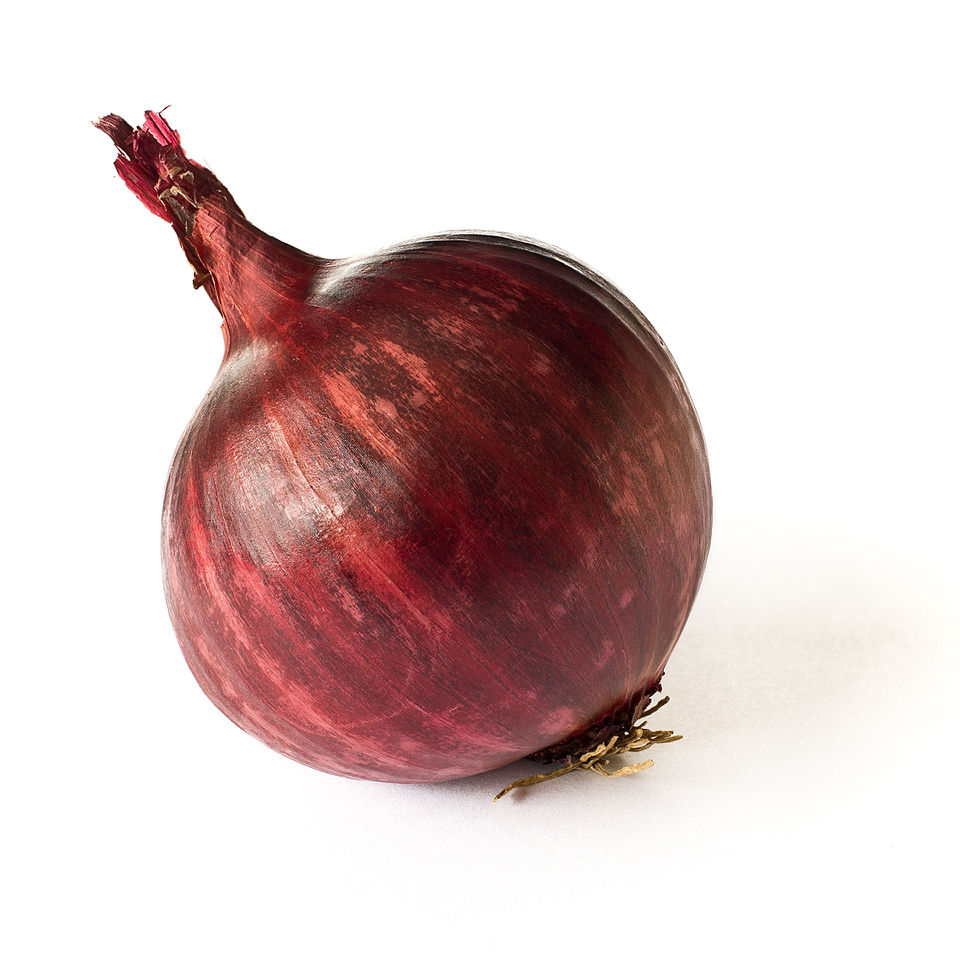
Tropea onion is a sweet, red-skinned landrace of Allium cepa distinguished by its elongated, torpedo-to-oval bulb shape, thin papery crimson skin, and pale rose-to-white flesh with vivid magenta rings. Texture is tender and juicy rather than pungent or fibrous, and sulfur bite is notably low compared to storage onions.
The cultivar’s mildness reflects a low total pyruvic acid content (a proxy for pungency) and a sugar profile rich in fructans and simple sugars. Modern food chemistry literature discusses red onions, including Tropea types, for anthocyanins (primarily cyanidin derivatives), flavonols (quercetin and glycosides), organosulfur compounds (present but reduced), and fructooligosaccharides. These constituents are studied within whole-food contexts for sensory quality, antioxidant signaling, and prebiotic fermentation—not as pharmaceuticals.
Whole-Food Context
Tropea onion compounds—anthocyanins, quercetin glycosides, organosulfurs, and fructans—are studied within food-based and botanical research frameworks. Their interactions with digestive enzymes, gut microbiota, and cellular signaling systems reflect whole-food complexity rather than isolated pharmaceutical activity.
Origin, Protected Status, and Culinary History
Tropea onion originates from southern Italy’s Tyrrhenian coast, where mild winters, sea breezes, and sandy–alluvial soils shaped a long tradition of sweet onion production. Selection favored tenderness and sweetness for raw consumption rather than long storage.
Historically, Tropea onions were eaten fresh, paired with seafood and cured meats, preserved as jams or agrodolce, and used in breads and focaccia. Their reputation as a raw onion—sweet enough to eat out of hand—predates modern breeding.
Contemporary production outside the region focuses on reproducing environmental cues (cool winters, gentle spring warmth) that suppress pungency and enhance sugar accumulation.
Bulb Morphology, Pigmentation, and Reproductive Biology
Bulbs are typically elongated or pear-shaped, though rounder forms occur depending on strain and daylength. Skins are thin; flesh is succulent.
Red pigmentation derives from anthocyanins concentrated in outer rings; intensity is influenced by genetics, cool temperatures, and light exposure during bulbing.
Onions are biennial: bulbs form in year one; flowering and seed set occur after vernalization in year two. True-to-type production requires isolation from other onions due to cross-pollination by insects.
Pigment and Peeling
Peeling removes a disproportionate share of pigments and flavonols. The outermost fleshy rings contain the highest concentration of anthocyanins and quercetin glycosides. When appropriate, retaining outer rings maximizes both color and functional compound content.
Climate Adaptation and Environmental Requirements
Tropea onions perform best in USDA zones 7–10 as a cool-season crop. Mild winters followed by gradual spring warming are ideal for suppressing pungency and promoting sugar accumulation.
| Parameter | Optimal Range |
|---|---|
| Vegetative Temperature | 8–18°C (46–65°F) |
| Bulbing Initiation | Triggered by increasing daylength (intermediate-day tendencies) |
| Heat Sensitivity | Sustained heat >27°C (80°F) increases pungency and reduces sweetness |
| Sun Exposure | Full sun |
| Moisture | Even, moderate soil moisture; drought spikes pungency |
Sweetness and Climate
Cool growing temperatures are the single most important environmental factor for sweetness. Sustained heat above 27°C (80°F) upregulates sulfur metabolism, increasing pyruvic acid levels and perceptible pungency while simultaneously reducing sugar accumulation in bulb tissues.
Soil Preferences, Fertility, and Root Development
Best results occur in light, well-drained soils that warm early and avoid waterlogging. Excess fresh organic inputs increase disease risk and bulb splitting.
| Parameter | Specification |
|---|---|
| Texture | Sandy loam or loam |
| pH | 6.0–7.2 |
| Organic Matter | Moderate (excess fresh inputs increase disease and splitting) |
Nutrient Balance
| Nutrient | Management | Notes |
|---|---|---|
| Nitrogen (N) | Moderate, front-loaded | Excess late nitrogen delays maturity and increases pungency |
| Phosphorus (P) | Standard | Supports root establishment |
| Potassium (K) | High priority | Critical for sugar accumulation, bulb firmness, and color |
| Sulfur (S) | Modest | Necessary but excessive sulfur increases sharpness |
Sulfur Management
Sulfur is essential for onion metabolism but directly drives pungency. Tropea growers historically relied on low-sulfur coastal sands. In higher-sulfur soils, restrained sulfur fertilization is the strongest lever for preserving the variety’s signature sweetness.
Planting, Establishment, and Growing Systems
Tropea onions are grown from seed or transplants. Early establishment in cool conditions promotes sweetness by allowing extended vegetative growth before bulbing is triggered by lengthening days.
Planting Parameters
| Parameter | Specification |
|---|---|
| Seed Depth | 0.6–1.2 cm (¼–½ in) |
| Transplant Spacing | 10–12 cm (4–5 in) |
| Row Spacing | 30–40 cm (12–16 in) |
Growing Systems
- Open-field beds
- Raised beds for improved drainage
- Market-garden rows
- Large containers (≥25 cm / 10 in depth)
Growth Cycle, Bulbing, and Yield Dynamics
Vegetative growth dominates winter and early spring; bulbing accelerates as days lengthen. Maturity typically occurs 120–150 days from sowing, depending on planting date and climate.
Bulbs size best with uninterrupted growth and consistent moisture. Any stress during the bulbing phase—drought, nutrient deficiency, or extreme heat—reduces final bulb size, increases pungency, and compromises skin quality.
Harvest Timing and Quality Optimization
Harvest when 50–70% of tops fall over naturally, signaling bulb maturity. Timing is a deliberate trade-off between sweetness and storage potential.
- Early harvest: Preserves sweetness but reduces storage life
- Delayed harvest: Increases skin set but can raise pungency
- Handling: Gentle handling is essential due to thin skins
Harvest Window
The optimal harvest window for Tropea onions is narrow. Bulbs left in the ground too long in warm soil develop increased pyruvic acid levels. For maximum sweetness, harvest promptly once tops begin to fall and cure immediately in shade.
Post-Harvest Handling and Storage
Tropea onions are not intended for long storage; quality peaks fresh. Thin skins demand careful handling and rapid marketing or preservation.
Curing Parameters
| Parameter | Specification |
|---|---|
| Curing Temperature | 20–27°C (68–80°F) |
| Curing Duration | 7–10 days in shade with airflow |
Storage Parameters (Short-Term)
| Parameter | Specification |
|---|---|
| Storage Temperature | 0–4°C (32–39°F) |
| Relative Humidity | 65–75% |
| Expected Shelf Life | 1–3 months (shorter than storage onions) |
Processing, Preservation, and Transformation
Tropea onions lend themselves to a range of preservation methods that capitalize on their natural sweetness, low pungency, and deep anthocyanin pigmentation.
| Method | Technique | Notes |
|---|---|---|
| Fresh Use | Raw, sliced or whole | Primary and preferred; low pungency shines raw |
| Agrodolce | Slow cooking with vinegar & sugar | Concentrates sweetness |
| Jams & Marmalades | Reduced with natural sugars | Deep color from anthocyanins; balanced flavor |
| Pickling | Mild acid brine | Stabilizes color and crunch |
| Roasting / Grilling | Gentle heat | Caramelizes sugars without harshness |
| Drying | Low-temperature dehydration | Possible, but sweetness diminishes; color fades with high heat |
Anthocyanin Stability
Anthocyanins in Tropea onions are acid-stable, meaning acidic preparations (pickling, agrodolce, vinaigrettes) preserve deep red-purple color effectively. Neutral or alkaline conditions dull color significantly. Gentle, low-temperature processing retains both pigment and sweetness.
Culinary Use, Intake Forms, and Integration
Tropea onions are celebrated raw, where their low pungency and natural sweetness are most apparent. Classic preparations include:
- Thinly sliced in salads with tomatoes, olives, and citrus
- Paired with seafood, cured meats, and fresh cheeses
- Served on bread with olive oil and salt
Cooked applications emphasize low, slow heat to preserve sweetness. Typical servings mirror other onions (30–80 g raw), with skin retained for pigment and flavonols when appropriate.
Functional Compound Context
The principal bioactive constituents in Tropea onions contribute to both culinary character and the broader scientific interest in red onion phytochemistry.
| Compound Class | Function |
|---|---|
| Anthocyanins | Provide red color; antioxidant activity in food matrices |
| Quercetin Glycosides | Concentrated in outer layers; contribute bitterness balance |
| Fructans (Inulin-Type) | Prebiotic fibers supporting gut fermentation |
| Organosulfur Compounds | Present at lower levels than storage onions, reducing pungency |
Leaves, Greens, and Secondary Uses
Young tops are edible as scallion-style greens early in the season. Greens are mild and best harvested before bulbing diverts sugars to the bulb. This provides an additional harvest window for market growers and home gardeners seeking early-season yield from the planting.
Seed Production and Genetic Integrity
Maintaining true-to-type Tropea onion seed requires careful attention to vernalization and isolation protocols.
- Vernalization: Select the best bulbs and replant after cold exposure for flowering
- Isolation: Separate from other Allium cepa varieties to prevent cross-pollination by insects
- Harvest: Collect umbels as they dry in stages; seed viability declines rapidly in humid conditions
Environmental selection—particularly cool winters—is key to maintaining the sweetness traits that define this landrace across generations.
System Integration and Additional Considerations
Tropea onions excel in short supply chains and local markets where freshness is prioritized over storage duration. Key management principles include:
- Consistent moisture and restrained sulfur fertilization are the strongest levers for sweetness
- Thin skins demand careful harvest, gentle handling, and rapid marketing
- Cool-season planting schedules are essential for reproducing the mild flavor profile outside the Mediterranean
- Companion planting with low-sulfur crops avoids inadvertent sulfur accumulation in shared beds
Scientific and Authoritative References
This article is informed by data and conclusions drawn from, but not limited to:
- Griffiths et al., Journal of Experimental Botany
- McGee, On Food and Cooking
- USDA Vegetable Production Guides: Onion
- FAO Allium Crop Manuals
- Lanzotti, Journal of Agricultural and Food Chemistry
- Slimestad et al., Journal of Food Composition and Analysis
- Goldman, Plant Breeding Reviews
- EFSA Scientific Opinions on Flavonoids
- Coolong & Randle, HortScience
- Duke, Handbook of Edible Plants